The decision to bury Iran’s former Supreme Leader Ali Khamenei in the holy city of Mashhad is of great religious, historical and personal significance.
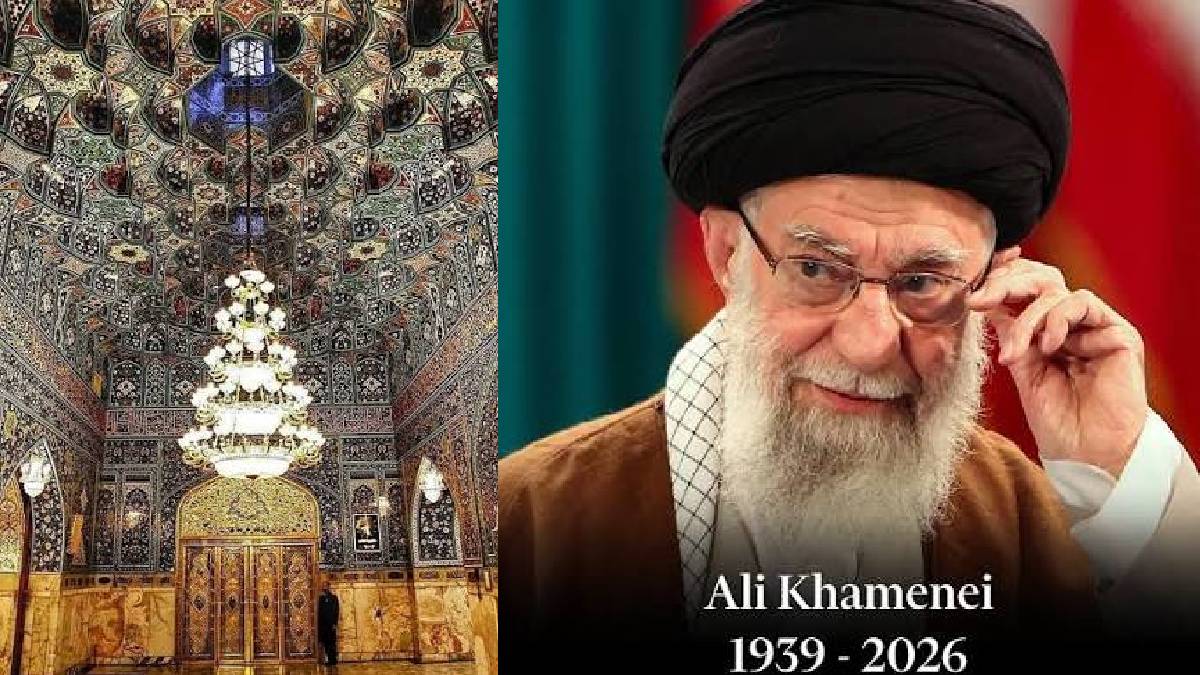
As Tehran is Iran’s political capital, Mashhad is the country’s spiritual heart and it’s a symbolic and meaningful place of death for Khamenei.
Mashhad, located in northeastern Iran, is home to the Imam Reza Shrine, one of Shia Islam's most important sites. It houses the tomb of Imam Reza, the eighth Imam that Shia Muslims are most dedicated to.
Each year, millions of pilgrims from around Iran and around the world visit the shrine to pray and seek blessings. Not to be buried close to such a sacred religious site is one of the highest honors in Shia tradition.
As well as the religious significance of Mashhad, it was Ali Khamenei’s own place of birth.
He was born in the city in 1939. He studied Islamic theology in the city and became one of Iran’s most influential religious and political leaders.
He was deeply attached to the city his whole life and Mashhad still had much of an impact on him even after he rose to the supreme level of leadership in the country.
Khamenei has also strong family ties with the city. His father, Ayatollah Javad Khamenei, is buried in the Imam Reza Shrine complex.
According to local reports, Khamenei had long wanted to be laid to rest in his hometown and the family's religious history.
His relationship with Mashhad made it a natural and meaningful choice for him to be buried.
The funeral ceremonies were a reflection of the importance of Iran’s three main religious and political centers.
The state funeral began in Tehran, where government leaders, foreign dignitaries and thousands of mourners gathered to pay their respects.
Religious ceremonies were also held in Qom, another major center of Shia scholarship, before Khamenei’s body was carried to Mashhad for the final burial.
Mashhad also has great symbolism for the Islamic Republic.
The city is the spiritual core of Shia Islam in Iran and is a reminder of the close connection between religion and governance in the country.
Iranians buried Khamenei in Mashhad and the nation’s political leadership was linked to one of the most sacred places in the Islamic world.
The timing of the burial was also significant. Iranian officials had organized the last ceremony on the occasion of the most important religious event in the Shia calendar, which was about faith, sacrifice and remembrance.
State media identified the funeral as a national farewell and a religious ceremony, and this was just Khamenei's lifetime commitment to Islamic values.
Hundreds of thousands of people gathered in Mashhad to watch the final procession, and millions more watched the ceremonies from television and online broadcast.
Security was at the forefront of everything as officials sought to ensure a peaceful conclusion to one of the biggest state funerals in Iran’s modern history.
And the burial comes at an epochal moment in Iran as the country transitions to new political leadership following Khamenei's death.
Even though the nation is still focused on Iran’s future, the decision to lie him to rest in Mashhad shows the importance of religion, history and symbolism in the nation’s identity.
Finally, Mashhad was chosen not only because it was Ali Khamenei's birthplace but also because it is the spiritual center of Shia Islam and home to the celebrated Imam Reza Shrine.
It is Mashhad that he had long roots in the city and family to live in and one of the most important places for his final resting place his own and the religious heritage of Iran.