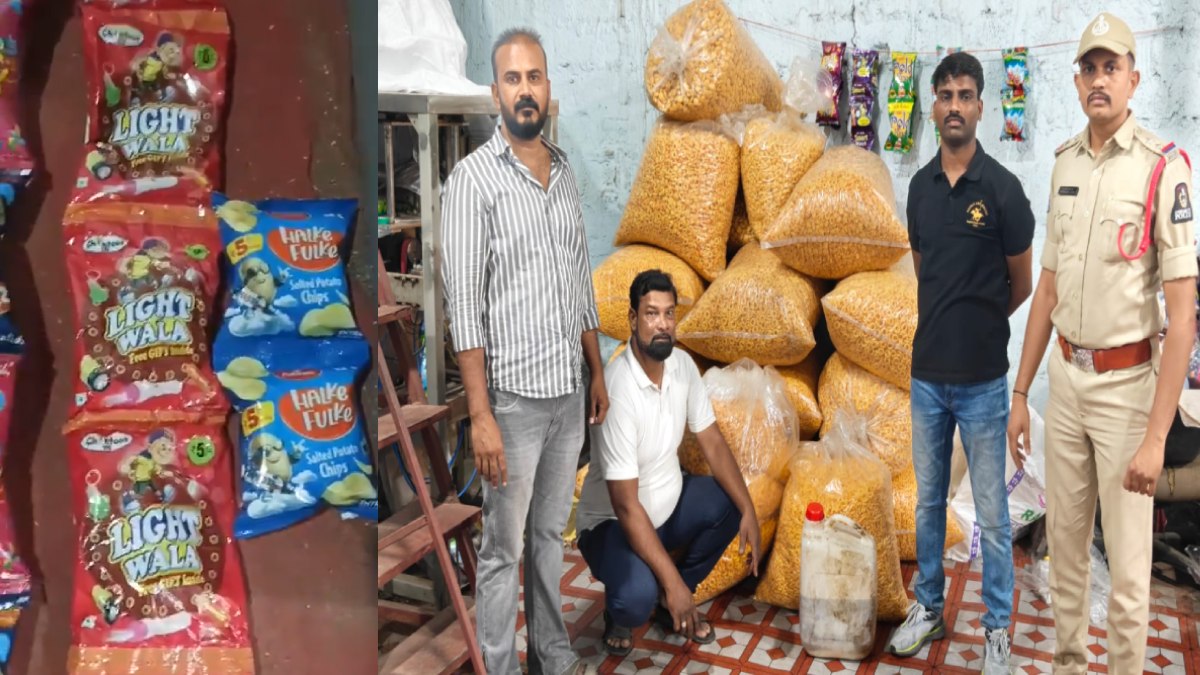
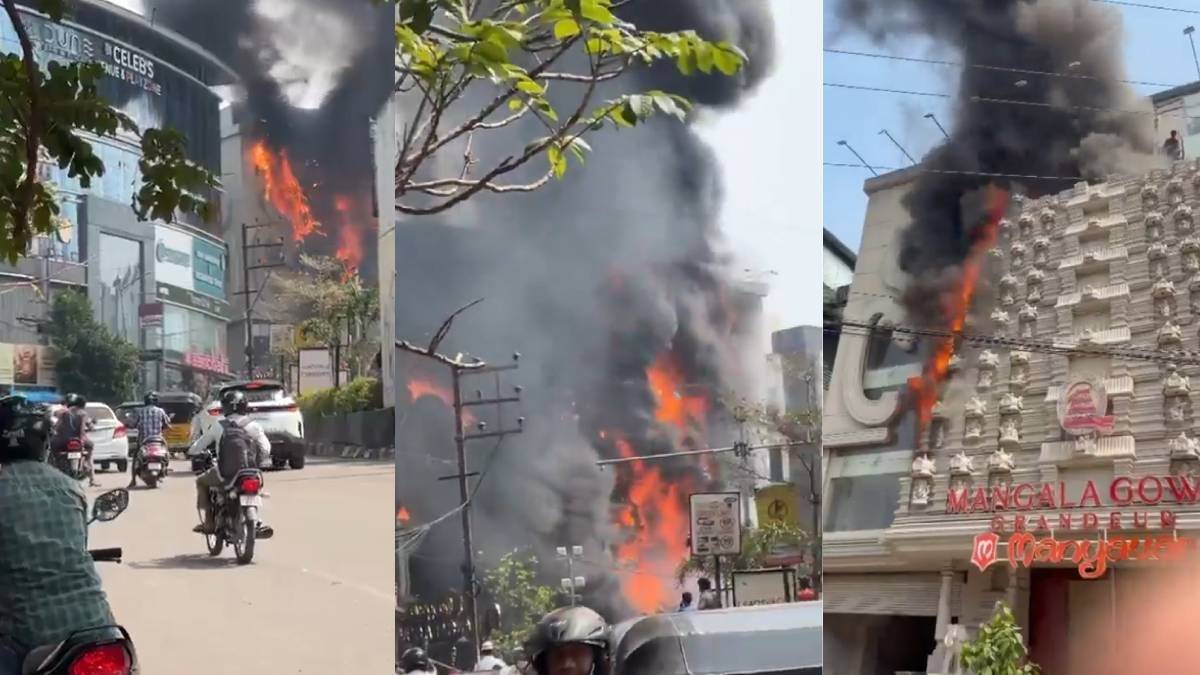
Hyderabad’s H‑FAST team conducted a major raid on an unlicensed fast‑food godown in Charminar, uncovering dangerous violations of food safety standards. 110 kilograms of fried chicken cooked in reused stale oil with banned synthetic colors like MSK Lion Green were seized. 90 liters of loose oil were also seized, and two operators were arrested for operating the illegal operation.
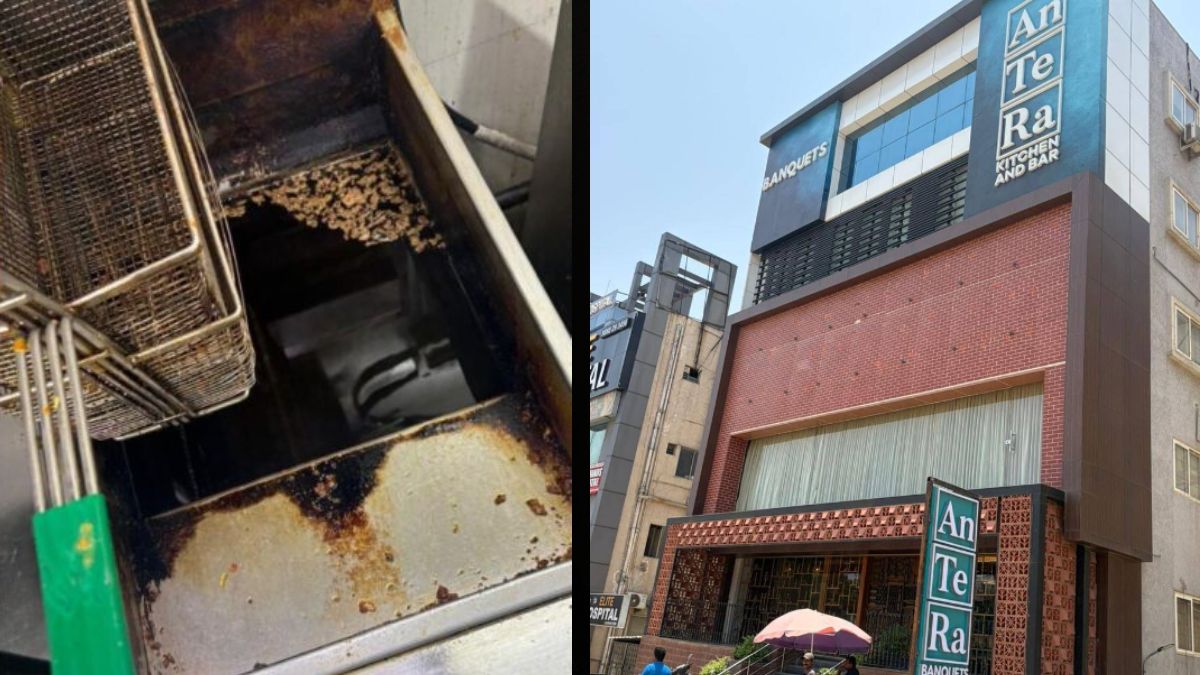
The raid revealed the dangerous activities of oil reuse and artificial coloring for food. Such practices pose huge health risks and are associated with food poisoning, liver damage, and allergies. That crackdown is a sign of Hyderabad’s increasing commitment to enforcing the food safety law in a zero‑tolerance policy.
Just two days ago, inspections of 45 outlets and eight production units showed another disturbing trend. Officials seized 825 kilograms of misbranded paneer made with synthetic milk, starch, and non‑dairy fats. The adulterated paneer was traced back to suppliers from states like Karnataka, raising fears about cross‑border distribution of unsafe food products.
The discovery of fake paneer underscores the extent of food adulteration in the city’s supply chain. Paneer, a staple in Indian diets, when made with non‑dairy substitutes, not only deceives consumers but also jeopardizes public health. Such practices are incompatible with FSSAI regulations, and it is going to be illegal, the government said.
Authorities have advised diners and consumers to keep an eye out for valid FSSAI licenses and scan QR codes listed on food outlets. These are measures which are there to verify authenticity and ensure safety standards. The H‑FAST team is also going to conduct more raids in the coming weeks and will remain determined to hold food adulteration and unsafe activities to account.

Finally, the Hyderabad raids are a wake‑up call for those who use cooking oil and counterfeit dairy products. The city will be a safe place to eat foods and to protect its consumers from the risks of food safety violations with the enforcement that is in place and public knowledge that we have to ensure. The recent actions are all about regulatory oversight and consumer responsibility and the value that the food system should have in order to be trusted and the consumer as well.