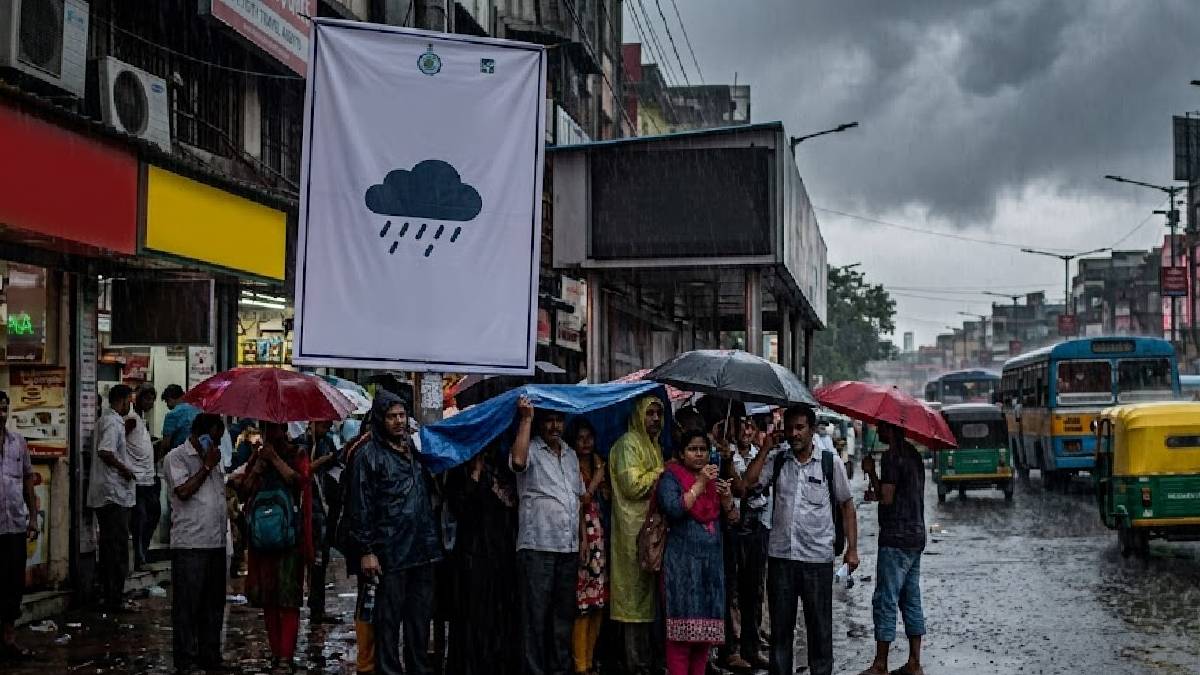
The India Meteorological Department (IMD) has forecast heavy to extremely heavy rainfall in some parts of eastern and central India on September 24, with Bihar, Odisha, Jharkhand and Chhattisgarh among the states expected to experience significant weather activity. Meanwhile, much of North India is likely to remain comparatively dry as the southwest monsoon continues its withdrawal from the northwestern parts of the country.
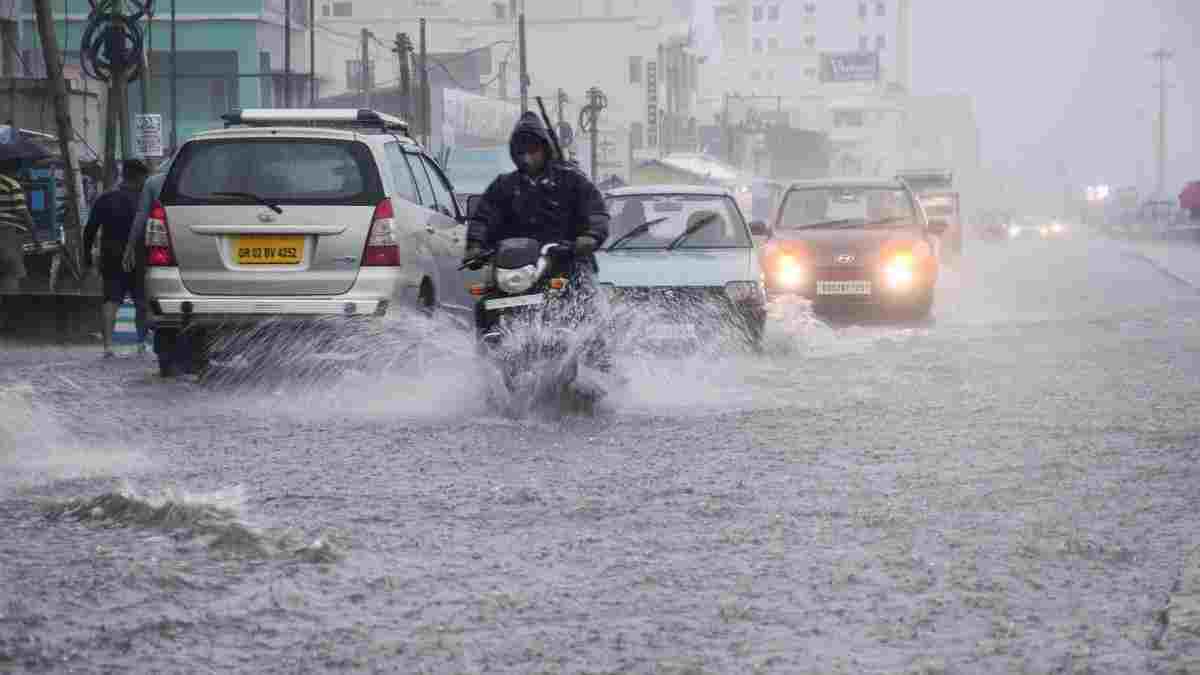
According to the latest IMD warnings, Odisha and Chhattisgarh are under an extremely heavy rainfall warning for isolated areas on Thursday. Bihar and Jharkhand are also expected to receive very heavy rainfall, accompanied by thunderstorms, lightning, and gusty winds.
Heavy Rain and Strong Winds in Eastern India
Odisha is expected to be one of the major areas affected by the weather system. The IMD has issued an extremely heavy rainfall warning for the state on September 24, with thunderstorms, lightning and squally conditions also possible. The warning is expected to continue in some form over the next few days, with very heavy rainfall forecast for September 25 and 26.
Chhattisgarh also faces an extremely heavy rainfall warning on September 24. Very heavy rainfall is predicted by the weather department on September 25 and 26, followed by heavy rain on September 27. Thunderstorms, lightning, and squally conditions are also expected.
Rainfall in Odisha and Chhattisgarh could be accompanied by winds reaching around 50-60 kmph in some areas, and disruption, waterlogging and localised flooding in Odisha and Chhattisgarh may be possible.
Bihar and Jharkhand face heavy rain
Bihar will experience very heavy rainfall on September 24, accompanied by thunderstorms, lightning and squally conditions. The IMD has also predicted heavy rain and thunderstorms in the state over the next few days.
Jharkhand is also under a very heavy rainfall warning for September 24. The IMD has forecast heavy rainfall on September 25, and thunderstorms and lightning could persist for more days.
The weather conditions could lead to temporary road traffic disruption and localised water accumulation in areas that experience intense short-duration rainfall.
Lightning and Gusty Winds
In addition to rain, thunderstorms and lightning are expected in parts of eastern India. Bihar, Jharkhand and Gangetic West Bengal can experience gusty winds of 40-50 kmph with thunderstorms.
People in affected areas should exercise caution during thunderstorms, particularly by avoiding exposed locations and taking shelter inside buildings when lightning activity increases.
North India is likely to remain mostly dry
Though eastern and central India is experiencing intense rainfall, the weather pattern is different across much of North India. The southwest monsoon is beginning to withdraw from northern parts of the country, and this is contributing to better dry weather in some northern states. Recently, the monsoon withdrew from Delhi on September 23, earlier than the usual withdrawal of September 25.
But isolated thunderstorms or lightning cannot be ruled out in some northern and neighboring areas. The weather in one state or district might be very different from the other region.
The weather system that accompanies rain
The widespread rainfall activity is linked to a deep depression over the Bay of Bengal that has moved towards the east coast. The system has given rise to torrential rainfall across Odisha, Chhattisgarh and other parts of the state and has also affected much of central and eastern India.
The IMD’s latest warning is that Odisha and Chhattisgarh rainfall activity will continue to be intense over the next few days, and Bihar and Jharkhand will also experience rainfall and thunderstorm activity.
Hence, residents of areas under heavy-rain warnings should monitor official weather warnings and follow local weather advisories, especially if rainfall is heavy or flooding is imminent.