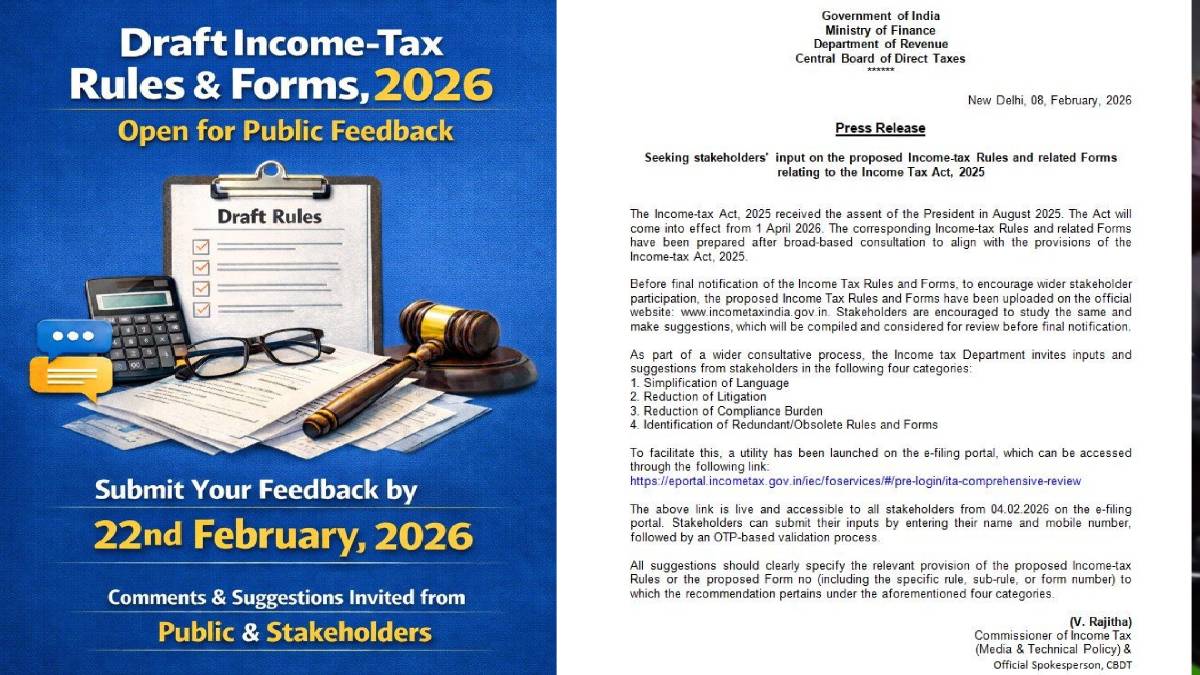
From April 1, 2026, the income tax department in India will gain new powers to access social media accounts, emails, and other digital spaces. The move is aimed at curbing tax evasion and ensuring greater transparency in financial dealings. With more people using online platforms to conduct business and share personal information, authorities believe this step will help identify hidden income and undisclosed assets.
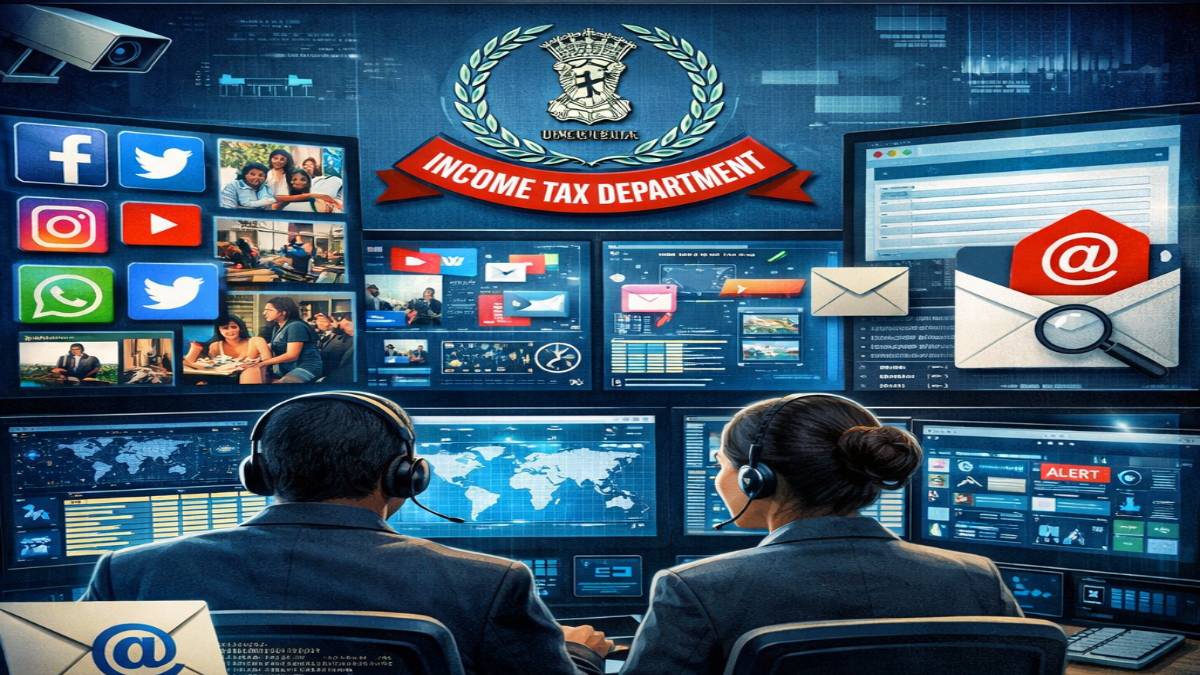
The decision reflects the government’s growing focus on digital surveillance as part of its tax compliance strategy. Officials have explained that the department will not randomly monitor citizens but will target suspicious cases where online activity does not match declared income. For example, if someone frequently posts about luxury purchases or foreign travel but reports very low income, the department may investigate further.
Emails and other digital communications may also be reviewed in specific cases. This is expected to help track unreported transactions, business deals, or investments that are not shown in tax filings. The department has clarified that the aim is not to invade privacy but to ensure fairness in the tax system.
Experts believe this change could significantly reduce tax evasion. Social media often provides clues about lifestyle and spending patterns, which can be compared with official records. By linking digital footprints with financial data, authorities hope to close gaps that allow individuals or businesses to avoid paying their fair share.
At the same time, the move has sparked debate. Supporters argue that honest taxpayers have nothing to fear and that stricter monitoring will improve revenue collection. Critics, however, worry about misuse of power and the potential for privacy violations. They stress the need for clear guidelines and safeguards to prevent harassment or unnecessary intrusion.
The income tax department is expected to use advanced technology and data analytics to carry out this monitoring. Artificial intelligence tools may help identify suspicious patterns quickly, reducing the need for manual checks. Officials say this will make investigations faster and more accurate.
As India continues to expand its digital economy, the government sees tax compliance as a critical priority. Starting April 2026, the new authority to access social media and emails will mark a major step in aligning taxation with the realities of online life. Whether it becomes a successful tool or raises concerns will depend on how carefully the powers are used.