Diplomacy is usually a business meeting or official agreement but also its most meaningful messages are usually carried through gestures of friendship. Most recently, Indian Prime Minister Narendra Modi arrived in Kuala Lumpur. Malaysia received India’s warm hospitality and respectful gestures. The event, personally welcomed by the Malaysian Prime Minister Anwar Ibrahim at the airport, was a testament to the two countries’ deep bond and solidarity and their drive to advance closer cooperation.
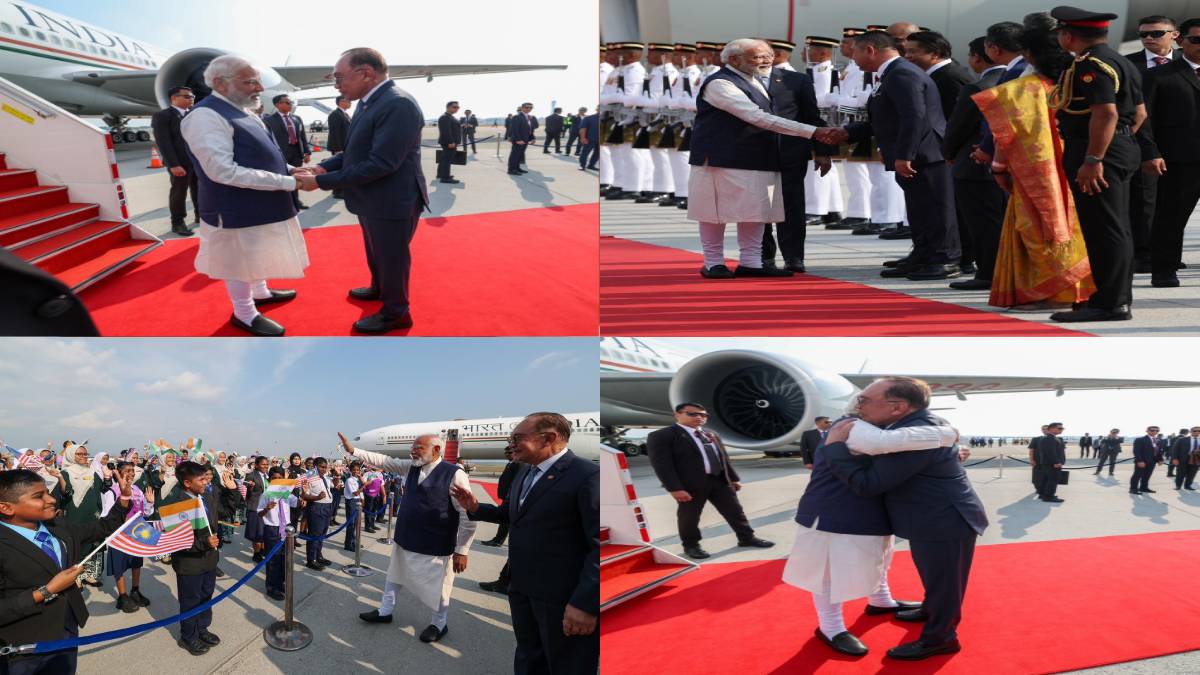
Prime Minister Modi received a red‑carpet welcome when he landed in Kuala Lumpur. When Prime Minister Anwar Ibrahim met him there, greeted him warmly and respectfully, the close personal bonds between two leaders were revealed. Children waving Indian flags and Malaysian flags lent to the atmosphere, symbolising unity and friendship between the people.
These displays extend past the realm of protocol. But the personal welcome of Prime Minister Ibrahim was very much more than mere ceremony. In line with the importance of Malaysia’s connection with his own country and with India, Prime Minister Ibrahim also received a warm and personal welcome. Modi said he appreciated the welcome itself, thanks for the grace. He also looked forward to meaningful conversations and stronger connections.
India and Malaysia have a deep connection at the level of history, culture, and economy. Both countries have been partners in trade, education, technology, and defense. The two leaders’ meeting is expected to create new opportunities for collaboration, in the fields of renewables, digital transformation and regional security.
Images of the leaders embraced and moved through the spaces with kindness connected with people at home and abroad. For citizens, these moments are more than symbolic: They provide confidence that their countries are partnering to make progress together. That is also evident in the emotional nature of the welcome, which captures values we all hold in common, respect, friendship and collaboration.
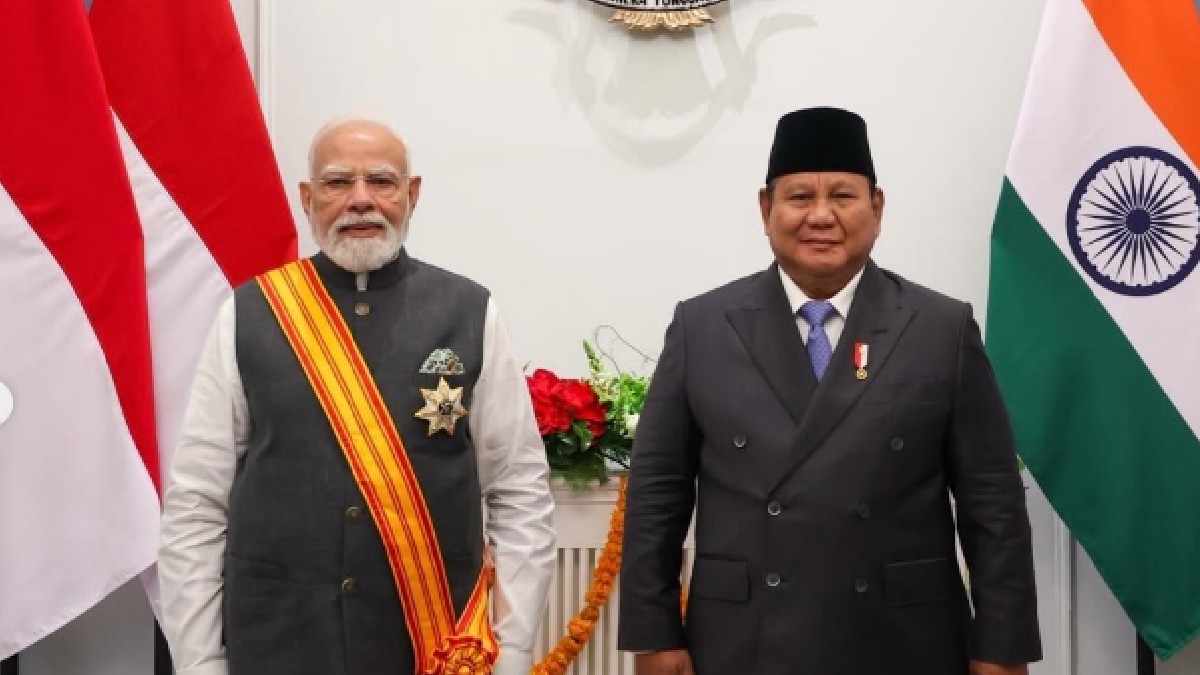
As India develops global partnerships as India does, Malaysia stands an important ally in Southeast Asia. The visit should also set the foundations for new accords and proposals that benefit countries in each country that followed. Between the trade links of cultures, commerce, exchange and growth, from economics, the close friendship between India and Malaysia will be beneficial to their people. India is indeed looking forward to a successful and harmonious cooperation between the two of them.
The warm arrival in Kuala Lumpur was much more than a formal send-off -- it was for friendship and trust. With respect, sincerity and an understanding of each other they are laying the foundations for a more potent partnership for the remainder of the future.