India is now the world’s fourth-largest liquefied natural gas (LNG) regasification market, with an installed regasification capacity of 52.5 million tonnes per annum (MTPA) and surpassing Spain. This new milestone underscores our expanding energy infrastructure and supports our ambition to develop natural gas as part of our energy mix.
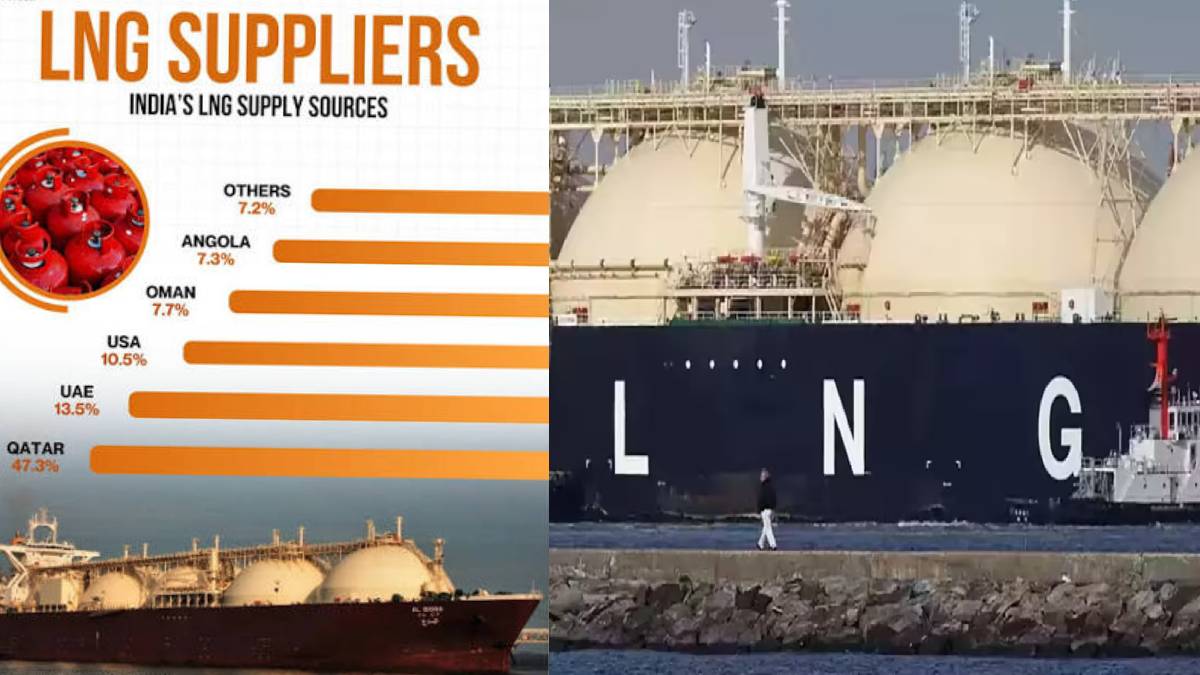
The expansion in LNG regasification capacity is a result of decades of investment in import terminals, pipelines, and other infrastructure to meet the growing need for cleaner energy in India. As one of the world’s fastest-growing major economies, India needs reliable energy sources for industrial growth, urbanization and increased household consumption while reducing coal-based energy use.
⛽ India becomes the world’s 4th largest LNG regasification market with 52.5 MTPA of installed capacity, overtaking Spain.
— India Radar (@IndiaRadar1) July 14, 2026
Rising demand from industry, power generation, city gas distribution and cleaner transport is driving rapid expansion of India’s gas infrastructure.
🏗️… pic.twitter.com/cnUuOK0coO
LNG regasification terminals are crucial in converting imported liquefied natural gas back into gas before it is transported through pipelines for industrial, commercial, and residential use. With a capacity of 52.5 MTPA, India has improved its ability to import natural gas from worldwide suppliers and is now more energy secure and easily able to source fuel.
India's impressive rise in the world rankings has been driven by new LNG terminals and the expansion of existing facilities along the western and eastern coastlines. LNG ports with LNG infrastructure are now used by the country to receive cargoes from energy producers in the Middle East, the US, Australia, and Africa.
The achievement is consistent with the Government of India's long-term plan of increasing the share of natural gas in the national energy basket from around 6 percent to 15 percent over the next few years. Natural gas is widely regarded as a transition fuel because it emits much less greenhouse gas than coal when it is used for power generation and industrial applications.
A larger LNG regasification network will support India’s manufacturing sector, fertilizer industry, city gas distribution networks, and power plants. Increasing access to natural gas is expected to improve fuel availability for industries, while cities will have a better opportunity to modernize cooking gas or compressed natural gas (CNG) transportation.
Experts say India still has room for growth despite being the fourth-largest regasification market. Per capita natural gas consumption is far below that of most developed countries, so there is still lots of future demand as pipeline connections are made available across the country.
The development of LNG infrastructure will complement other national efforts to enhance energy security through strategic petroleum reserves, renewable energy investments, hydrogen development, and cross-country gas pipeline projects. Together they aim to cement a more balanced and resilient energy system that can support sustained economic growth.
Global energy markets have seen immense volatility in recent years due to geopolitical tensions and supply chain disruptions. The increased regasification capacity available in India, which makes it possible to obtain LNG from different international suppliers, is not only more reliable, but it also allows India to be less dependent on a single region in the market while also increasing its resilience to fluctuations in the market.
The achievement also increases India’s strategic importance in the global LNG trade. As demand for cleaner-burning fuels across Asia increases, India is expected to remain one of the largest LNG import markets and to further invest in storage facilities, floating storage and regasification units (FSRUs), pipelines, and downstream gas infrastructure.
In the future, there are more than a dozen more LNG terminals under construction or in advanced planning stages. Upon completion, these facilities will further increase India's import capacity and expand natural gas access in industries, transportation, and households.
With the rise of Spain and the world's fourth-largest LNG regasification market, India has committed to energy security, economic development and the world’s green energy future.