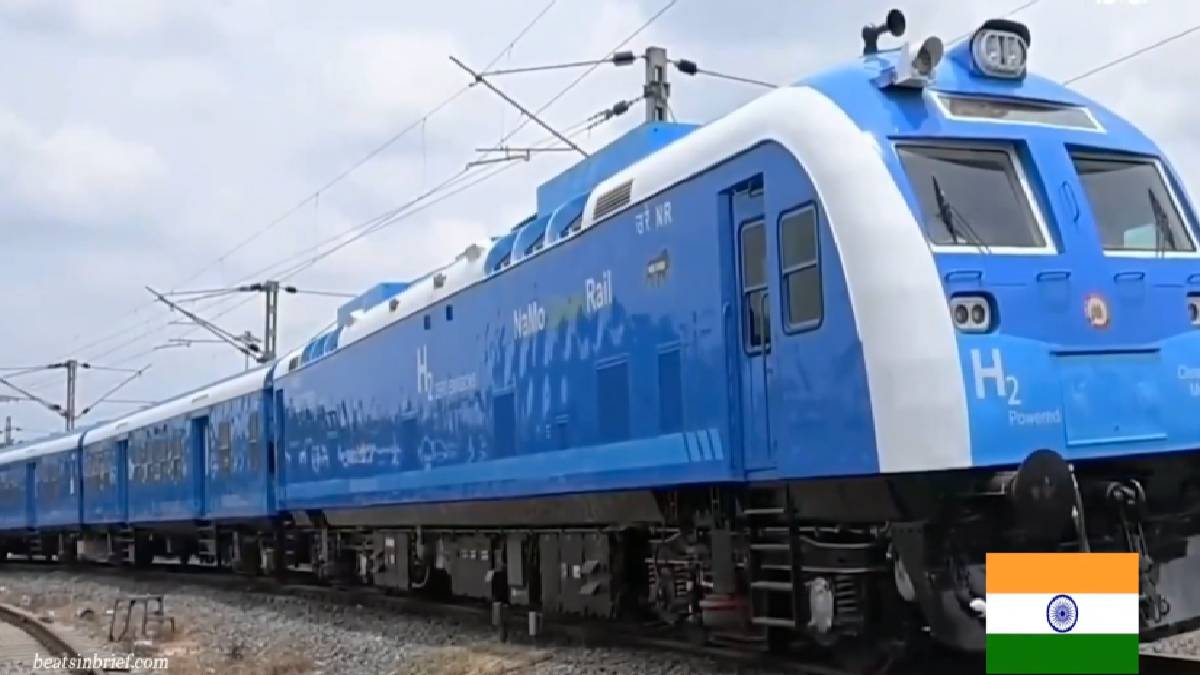
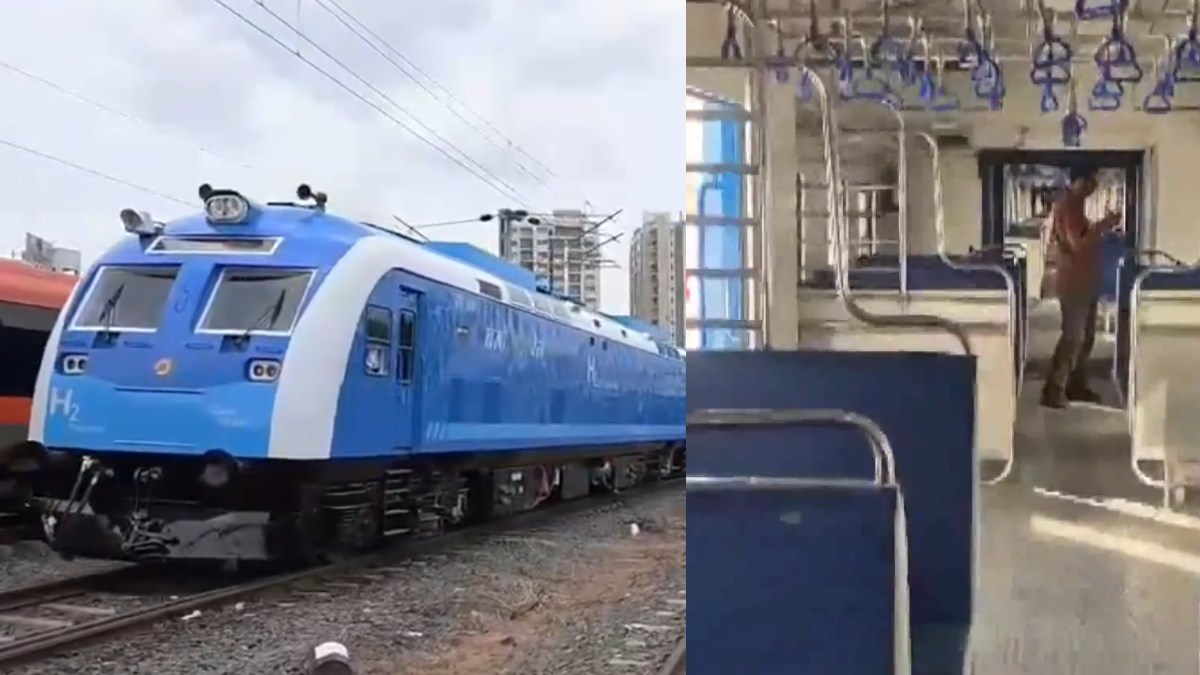
India has taken a major step towards sustainable transportation with the launch of its first hydrogen-powered train, marking the beginning of a new era in the country's railway modernization efforts. Having been unveiled by the Prime Minister, the hydrogen train is a game-changer for Indian Railways in terms of reducing carbon emissions, improving its energy efficiency, and switching to cleaner alternatives to fossil fuel-based transport.
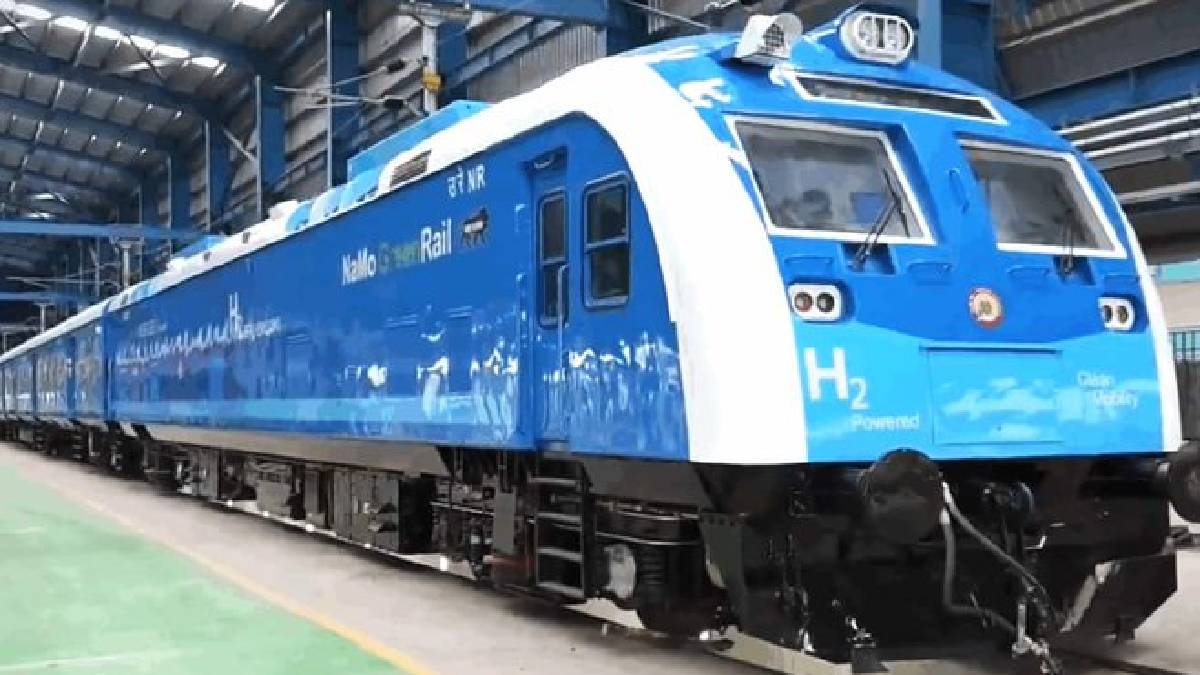
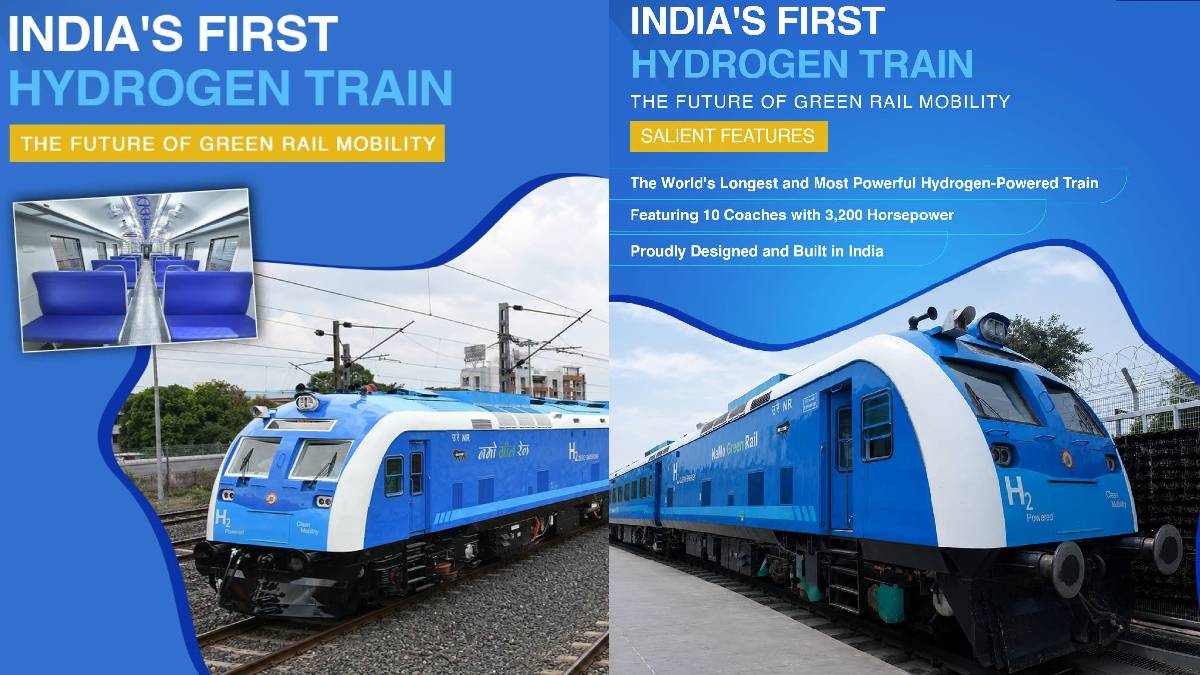
The newly developed hydrogen train is equipped with a powerful 3,200-horsepower (HP) propulsion system and 10 passenger coaches, making it one of the most advanced rail projects in India. Unlike diesel locomotives that use fossil fuels and emit greenhouse gases, the hydrogen-powered train uses hydrogen fuel cell technology to produce electricity. The only direct by-products are water vapor and heat, and therefore a zero-emission mode of transport at the point of its operation.
#India | Indian Railways' first hydrogen train: How it's different from diesel and electric trains
— Moneycontrol (@moneycontrolcom) July 16, 2026
- India's first hydrogen train flagged off by PM Modi.
- Uses hydrogen fuel cells for zero carbon emissions.
- 10-coach train with 3,200 HP propulsion system.
Read More:…
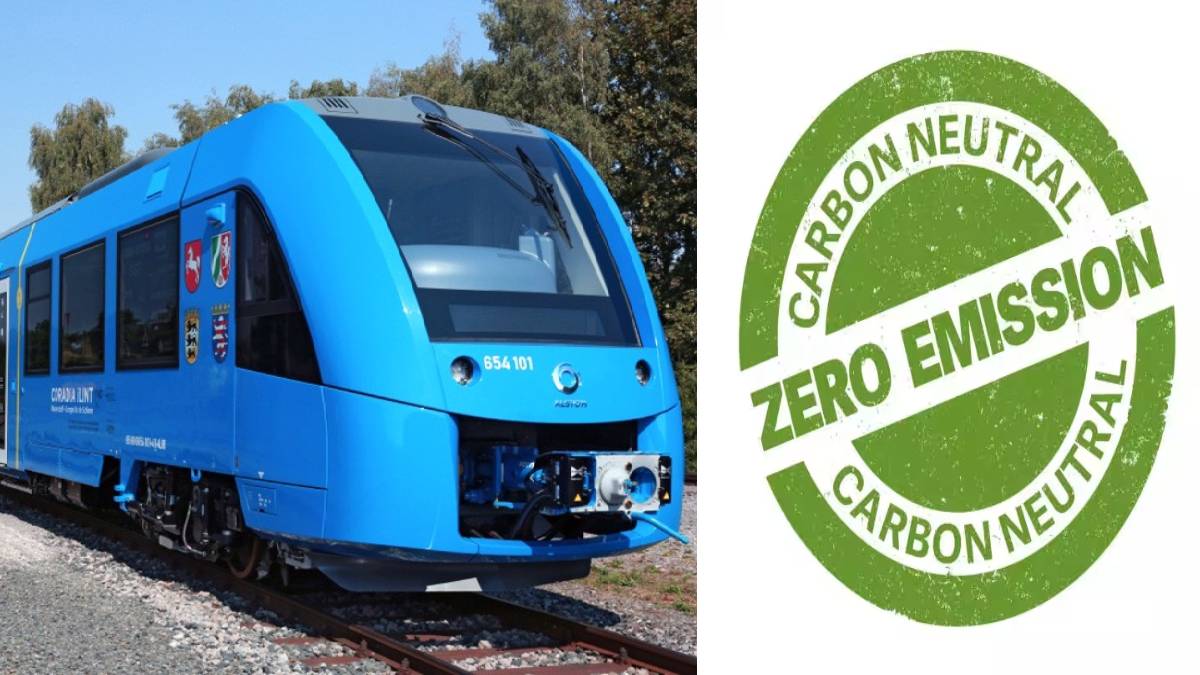
Hydrogen fuel cells work through an electrochemical reaction in which hydrogen is combined with oxygen from the atmosphere to form electricity that is fed to electric motors that power the train. Since there’s no combustion, no pollutants like carbon dioxide, nitrogen oxides or particulate matter are released in the operation of hydrogen-powered trains, and this makes them a sustainable solution for air pollution and climate action targets.
One of the key benefits of hydrogen trains is that they can operate efficiently on non-electrified railway lines. Electric trains run on overhead power lines and massive electrification infrastructure. Onboard hydrogen trains consume electricity from fuel cells, while hydrogen trains produce electricity from fuel cells and so can run themselves, so the same trains can run on low-cost and less crowded railway networks without expensive overhead wiring in areas where electrification is not feasible. Hence, hydrogen trains are a great solution for remote and less populated railway corridors.
Indian Railways has also been aggressively modernizing in recent years with electrification, station redevelopment, high-speed rail projects, and even cleaner technologies (e.g., hydrogen-powered trains). This is a sustainable strategy that can be applied to such long-distance rail lines that still depend on diesel locomotives. It also fits into the Government of India's overall vision to promote green hydrogen, zero carbon emissions and energy security.
Hydrogen-powered transportation is gaining momentum worldwide. Most countries, like Germany, Japan, China, France, and South Korea, have already introduced hydrogen-powered trains or are using them to provide clean mobility as part of their clean mobility strategies. India is one of the few countries to develop its own hydrogen train in this area of technology, which will save the world from dependence on fossil fuels and also help in sustainable development.
Hence, there’s more to hydrogen trains than just environmental impact. The trains are generally quieter than diesel-powered locomotives - noise pollution is diminished in urban and rural areas. They also have smooth acceleration and better passenger comfort while fewer moving mechanical components are required. Improvements in hydrogen production and fuel cell technology are expected to enhance the efficiency and reduce maintenance costs over time.
The launch also supports India’s fast-growing green hydrogen initiative. The country is investing heavily in renewable energy and hydrogen production to reduce dependence on imported fossil fuels and create a cleaner energy economy. As green hydrogen (driven by renewable electricity) becomes more and more available to the public, hydrogen-based transportation would have a bigger and bigger place in railways, buses, trucks, and even maritime applications.
There are still challenges ahead before hydrogen trains will be used on India’s vast railway system as a whole. Production of green hydrogen on a large scale is still expensive, and specialized infrastructure for hydrogen production, storage, transportation, and refueling will require significant investment. Training and technician training, as well as long-term maintenance, will also be required to make hydrogen trains available to most people.
But these challenges can be solved with the ongoing investment and technological innovation, and cooperation of government and industry institutions, research institutions, and industry partners, experts say. Production costs will decline, and railways with hydrogen can be more competitive against traditional transportation options.
The development of India’s first hydrogen train is not only a technological achievement but also a step in the right direction towards cleaner, smarter and more sustainable transportation systems. The Indian Railways is moving towards an eco-friendly environment by adopting hydrogen fuel cell technology, efficient operation, and energy independence.
As India continues to modernize one of the world’s largest railways, hydrogen-powered trains could be a crucial part of future rail operations. With electrification and renewable energy development and the National Green Hydrogen Mission, this project puts India at the forefront of clean transportation innovation and demonstrates its commitment to building a greener future for generations to come.