The Indian Space Research Organisation (ISRO) has tightened its rules on resignations and voluntary retirement after a surge in scientists and engineers leaving the organization. The Department of Space (DoS) has issued a fresh directive telling major ISRO centres not to routinely approve resignation or voluntary retirement requests from Group ‘A’ scientific and technical personnel working on the country’s most critical space programmes like the ambitious Gaganyaan human spaceflight mission.
According to an internal memo issued on July 14, the Department of Space expressed concern over the growing number of experienced scientists leaving ISRO. This is beginning to affect the execution of national missions (Gaganyaan, other flagship missions, etc).
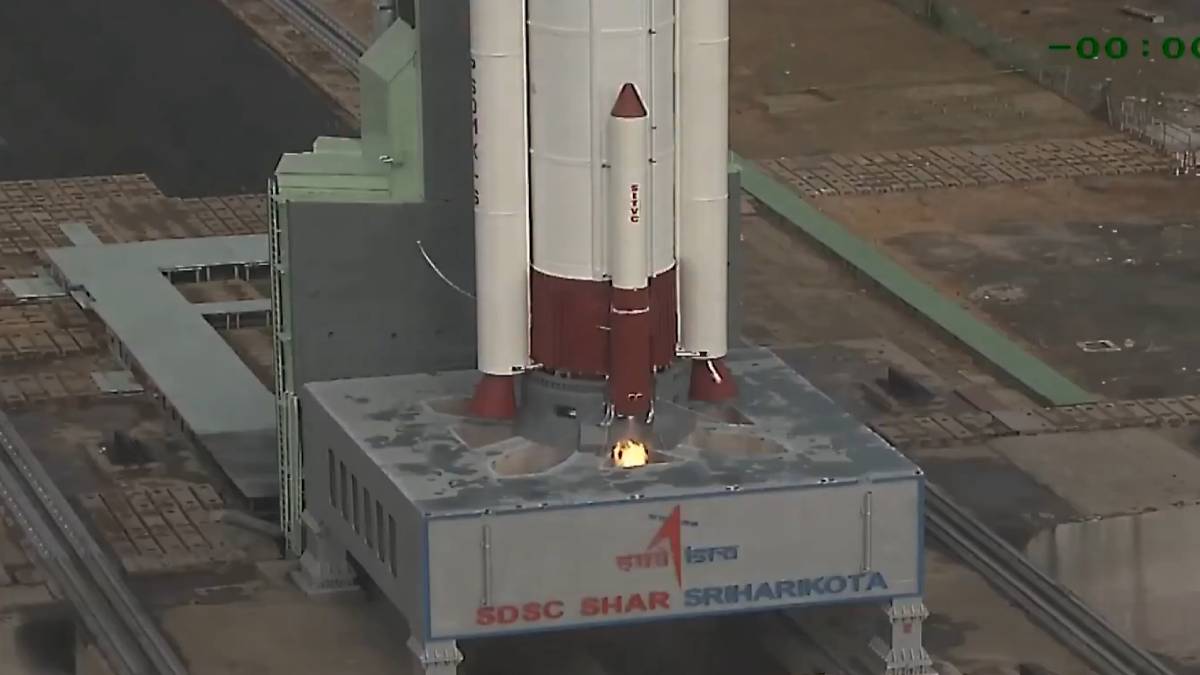
With the new order, centres like UR Rao Satellite Centre (URSC), Vikram Sarabhai Space Centre (VSSC), Satish Dhawan Space Centre (SDSC), Liquid Propulsion Systems Centre (LPSC), Space Applications Centre (SAC), National Remote Sensing Centre (NRSC), ISRO Telemetry, Tracking and Command Network (ISTRAC), and Master Control Facility (MCF) have been told not to approve such requests as a matter of routine.
Instead, any resignation or voluntary retirement application submitted by scientific and technical personnel (e.g. scientists and engineers up to Scientist/Engineer-SG level) must now be forwarded to the Department of Space and detailed recommendations from the respective centre directors for a final decision.
The new order essentially reverses the administrative relaxation in 2020, in which ISRO centre directors were given the power to independently approve resignation and voluntary retirement requests from Group A scientists up to a certain level.
We are moving towards private space companies
The decision came as more than 100 ISRO scientists and technical personnel have resigned recently with the highest number of exits from UR Rao Satellite Centre in Bengaluru and Vikram Sarabhai Space Centre in Thiruvananthapuram.
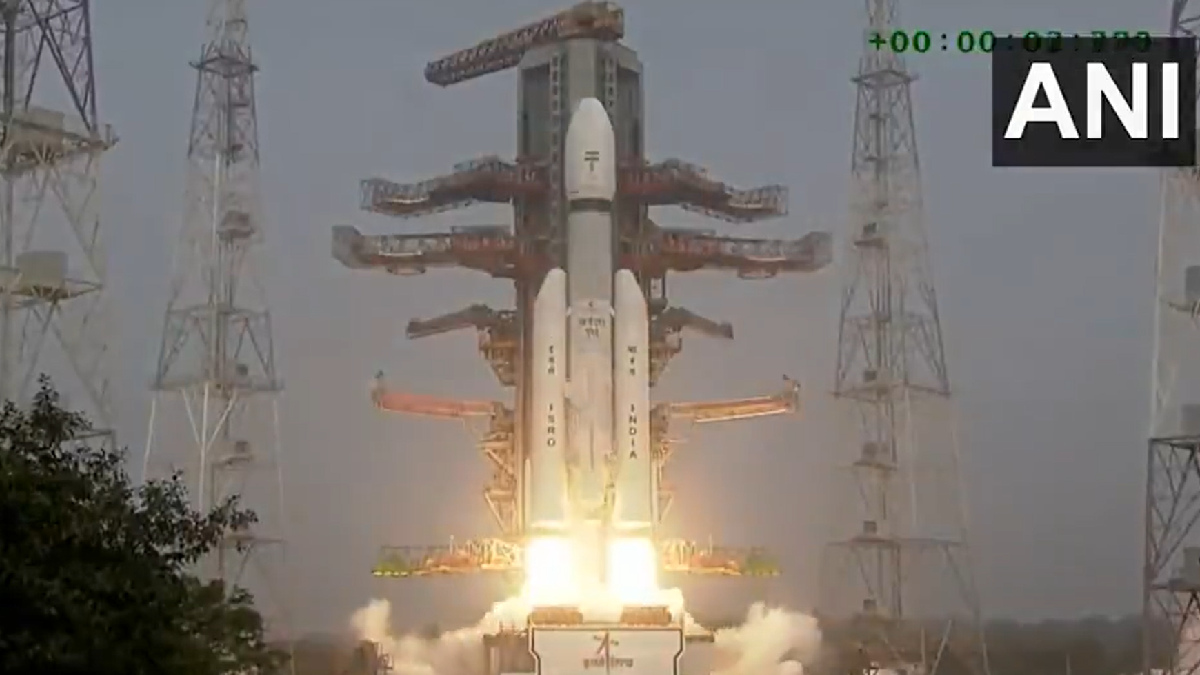
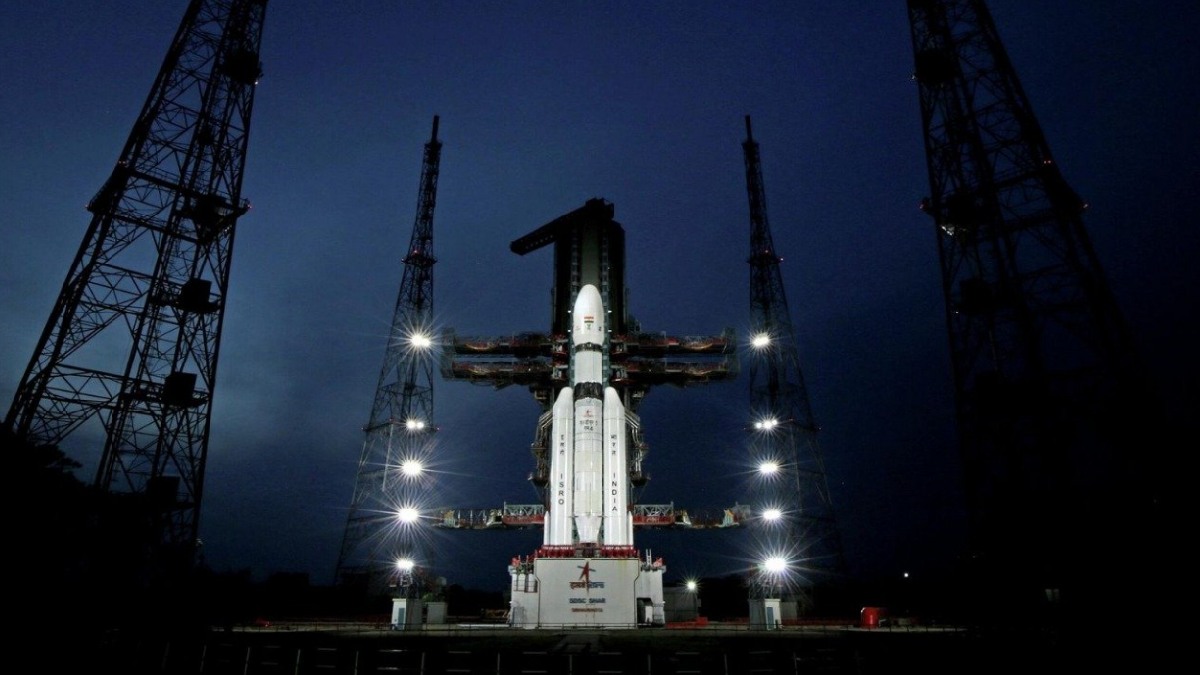
Among the notable exits was Victor Joseph T, the project director of the Geosynchronous Satellite Launch Vehicle (GSLV) Mk III, now known as LVM3, at VSSC. He left ISRO in February after leading the launch vehicle project for about 13 months. LVM3 is expected to play a crucial role in India's first human spaceflight mission, Gaganyaan.
Many of the scientists who left India are believed to have joined the rapidly expanding private space industry. Since the Government of India opened the space sector to private participation in 2020 and introduced the Indian Space Policy in 2023, the country has seen remarkable growth in space startups.
India is now home to more than 400 space startups with around $500 million investments and around $150 million in 2025 alone. Companies such as Pixxel, Skyroot Aerospace, Agnikul Cosmos, Dhruva Space and Bellatrix Aerospace have become leading players in satellite manufacturing, launch vehicles, propulsion systems and space technologies with good salaries and flexibility to the experienced professionals.
Critical missions ahead
The timing of the resignations is particularly sensitive as ISRO is preparing for many big missions over the coming years. Besides Gaganyaan, the organisation is also working on Chandrayaan-4, India's first lunar sample return mission, the Bharatiya Antariksh Station (BAS), which aims to build India's own space station, and Mangalyaan-2, the country's next Mars exploration mission.
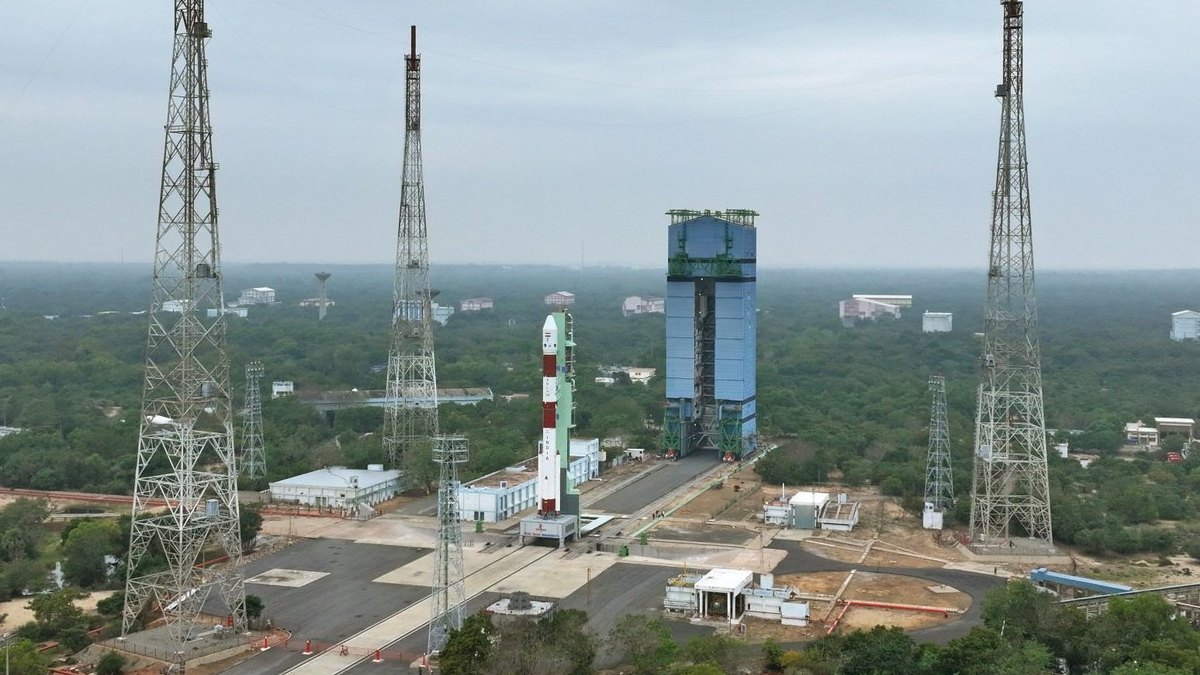
In a few recent launches, ISRO has encountered technical problems, too. The Polar Satellite Launch Vehicle (PSLV), often referred to as the agency's "workhorse," has had two mission failures within a year. Despite these setbacks, ISRO is on course to work on the ambitious roadmap and is not losing people.
The Department of Space’s new directive reflects the government’s resolve to protect India’s most valuable scientists and keep space missions on track. And our country’s space ambitions will only be more important if we retain experts and develop cutting-edge technologies at the same time, which will be very important to us in space as well.