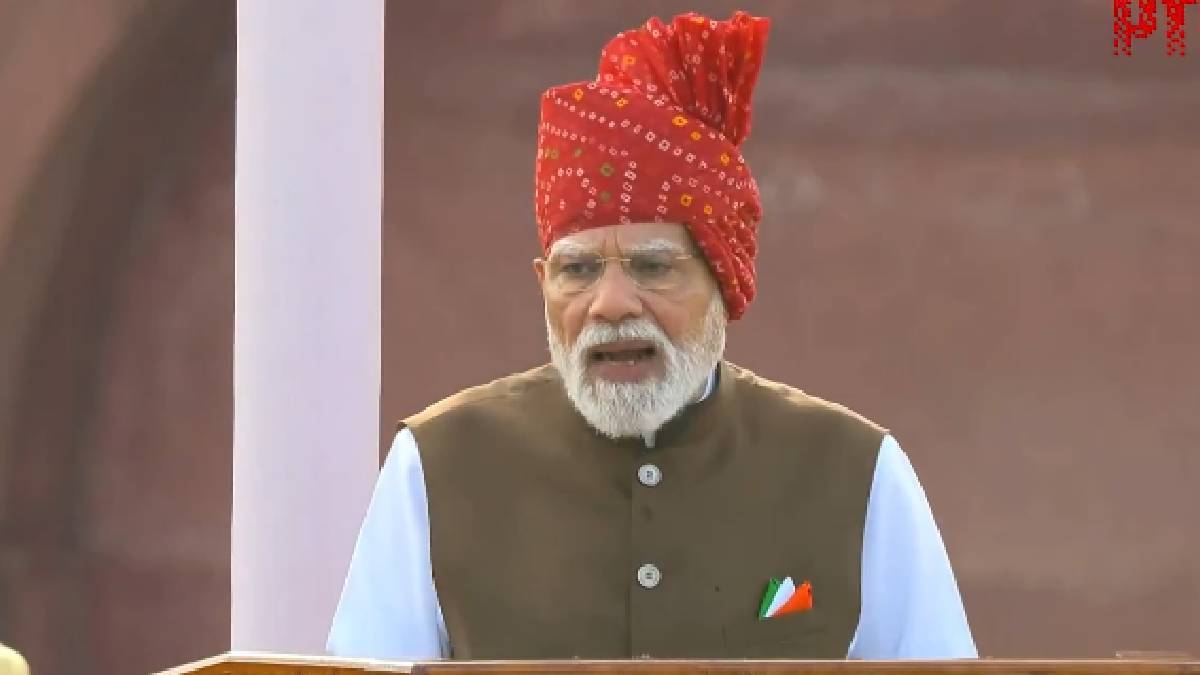
Narendra Modi has said India and Japan are working towards a 10 trillion yen investment target, so long as the countries keep working to build a long-standing strategic and economic partnership.
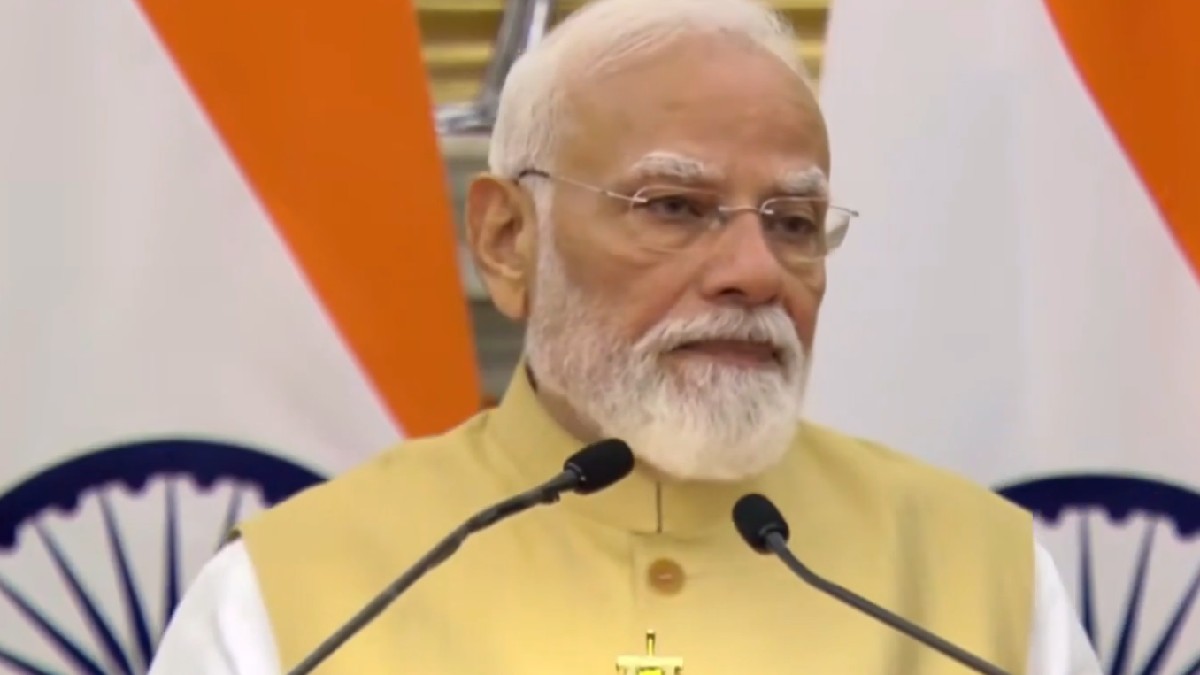
As the two countries are on the verge of forging cooperation in infrastructure, manufacturing, technology, clean energy, semiconductors, defence, and digital innovation, this announcement highlights the importance of India-Japan ties.
After that, Prime Minister Modi said both India and Japan share a vision to make the Indo-Pacific region a free, open, and prosperous region. He said the two countries’ relationship has improved and been strengthening for the past few decades, and its relationship with India and Japan, which is now very much a pillar of regional stability and sustainable economic growth as well as regional stability and development, he said.
आप सबको मिलकर ये सुनिश्चित करना है कि अगले एक दशक में जापान से भारत में निवेश 10 बिलियन येन के टार्गेट को भी पार करे, और भारत मे जापानी कंपनीज़ की संख्या भी 10 वर्ष में डबल हो जाए।
— MyGov Hindi (@MyGovHindi) July 2, 2026
- पीएम @narendramodi #IndiaJapanFriendship pic.twitter.com/xhEWgfNVwt
Investment and Economic growth focus
Such a target of 10 trillion yen investment is, of course, the result of Japan’s continued confidence in India’s economic growth and investment potential. Japanese companies in India have been among the largest foreign investors in India, driving major infrastructure and industrial projects in India.
Japan's investments have been an important part of sectors like:
- High-speed rail and metro rail projects.
- Industrial corridors. Automobile manufacturing.
- Electronics and semiconductor production.
- Logistics and transportation.
- Renewable energy.
- Urban infrastructure.
But both governments think that increased investment will create employment opportunities, strengthen supply chains, and accelerate India’s manufacturing ambitions through initiatives such as ‘Make in India’.
Strengthening Strategic Partnership
Apart from trade, India and Japan continue to develop their strategic partnership through closer cooperation in defence, maritime security, cybersecurity, and emerging technologies.
The two nations regularly hold joint military exercises and are working under regional frameworks in order to guarantee peace, stability, and freedom of navigation in the Indo-Pacific.
And Modi said the shared democratic values, mutual trust, and respect for the rules-based international order have further strengthened bilateral relations.
Expanding Cooperation in Technology
Technology and innovation are still pillars of the India-Japan relationship.
In areas such as: Both countries are exploring greater collaboration.
Artificial Intelligence (AI), Semiconductor manufacturing, Digital public infrastructure, Green hydrogen, Clean energy technologies, Electric mobility, Space research
To a certain extent, in the long run, this cooperation will help to broaden the global supply chains and promote sustainable industrial growth, they say.
Infrastructure and Connectivity
Japan has been a long-term partner in financing India's infrastructure development through Official Development Assistance (ODA).
Several landmark projects, like metro systems, freight corridors, industrial townships, and the Mumbai-Ahmedabad High-Speed Rail project, have received significant Japanese financial and technical support.
The two countries will continue to work together on modern transportation systems, smart cities, and sustainable urban development.
Looking Ahead
India and Japan have steadily expanded their relationship from economic cooperation to a comprehensive strategic partnership, which includes trade, investment, security, innovation, and people-to-people exchanges.
The 10 trillion yen investment target reflects the confidence both governments have in the future of bilateral relations. As global economic and geopolitical dynamics change, India and Japan will be more and more critical in the future of the Indo-Pacific region to develop a robust supply chain, technology partnership, and sustainable economy.
The partnership can make both countries’ development more sustainable and a better place to be, and will be able to contribute to global peace, prosperity, and stability in the future with more investment commitments and deeper strategic cooperation.