India had a significant deficit in rainfall in June, with 42 percent lower rainfall than the long-period average (IMD), the Indian Meteorological Department said. And despite the below-normal precipitation at the beginning of the southwest monsoon season, the weather agency said it was hopeful that rain activity would improve significantly in July and provide much-needed relief for farmers, reservoirs, and drought-prone regions.
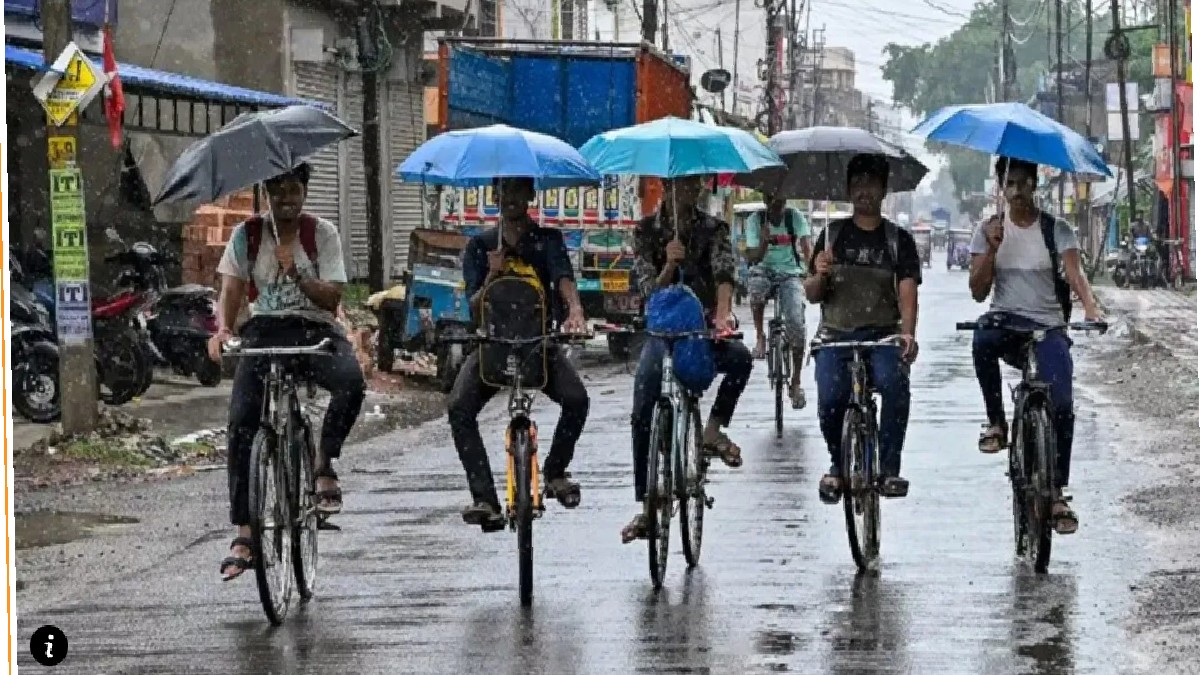
June is the start of the southwest monsoon season in India, a month that is crucial in agriculture, water supply, and the revival of the country’s economy. This year’s weaker-than-expected rainfall has led to crop sowing, irrigation, and drinking water availability in some states for the country’s southwest monsoon season, in which agricultural production, water supply, and irrigation in the country’s economy, farming, and water supply in other states are in doubt.
Delayed and Uneven Monsoon Distribution
The rainfall deficit is attributed to delayed monsoon progression and uneven distribution of rains in different parts of the country.
While some parts of eastern and northeastern India received near-normal rainfall, several states in central, northwestern, and peninsular India experienced prolonged dry spells in June. The uneven rainfall pattern affected the pace of agricultural activities, especially the sowing of key kharif crops such as paddy, maize, soybean, pulses, and cotton.
Farmers in many rain-fed areas also delayed planting operations while waiting for adequate soil moisture, raising concerns about the impact on agricultural productivity if rainfall had not improved in time.
IMD Forecasts Stronger Rainfall in July
As a guarantee, the IMD has predicted a significant increase in monsoon activity in July.
According to the weather department, atmospheric and oceanic conditions will be more favourable for widespread rainfall over large parts of the country. Many low-pressure systems are expected to develop over the Bay of Bengal, and they will enhance moisture transport and strengthen monsoon currents.
Meteorologists see more widespread and more evenly distributed rainfall in the coming weeks, especially over central India, the Indo-Gangetic plains, and parts of western India.
It has given hope to the agricultural sector, for it is the timing of July rain that is seen as a crucial factor in crop establishment.
Importance of July Rainfall
For agricultural experts, July is one of the most important months of the monsoon season.
Nearly half of India's annual rainfall happens in July and August, a crucial period for crop production, groundwater recharge, reservoir storage, and hydroelectric power generation.
As a result, a strong July monsoon will likely help to compensate for weaker rainfall in June by providing enough moisture for crop development and improving irrigation prospects.
Experts say delayed sowing from early-season rainfall deficits caused by a deficit in early-season rainfall can be recovered when rain starts to pick up in July.
Impact on Agriculture and Water Resources
The June rainfall deficit had initially raised concerns about food production and rural incomes.
Agriculture is still heavily dependent on monsoon rainfall, and millions of farmers depend on seasonal precipitation instead of irrigation systems.
If rainfall is low, it can delay sowing, lower crop yields, and increase production costs due to additional irrigation requirements.
Water managers also closely monitor monsoon performance as reservoirs, rivers, and groundwater levels are heavily impacted by seasonal rainfall.
If July has above-normal rainfall as expected, reservoir levels are expected to improve, and irrigation, drinking water supply, and electricity generation through hydropower projects are expected to be supported.
Government Monitoring the Situation
The authorities continue to closely watch monsoon developments and agricultural conditions across the country.
State governments have said farmers need to follow district-level weather advisories and adjust sowing schedules based on updated rainfall forecasts.
Agricultural departments are also encouraging contingency crop planning in areas experiencing delayed rainfall to minimize losses.
Meanwhile, disaster management authorities are also on alert for localized flooding, as improved monsoon activity could lead to intense rainfall events in some regions.
Climate Variability Continues to Influence Monsoons
Climate scientists say that India's monsoon patterns have become increasingly variable in recent years.
Instead of consistent rainfall over the entire season, rainfall is now happening in short periods of intense rainfall, accompanied by longer dry spells.
Such variability makes it difficult for farmers, urban infrastructure, flood management, and water conservation efforts.
Experts stress that better weather forecasting is necessary, irrigation systems should be built, climate-resilient farming should be implemented, and water management systems should be improved to meet changing monsoon patterns.
Outlook Remains Positive
Although the monsoon season started poorly, the IMD’s latest forecast has increased confidence that rainfall conditions will improve during July.
A stronger monsoon in the coming weeks could help reduce the rainfall deficit, accelerate agricultural activities, replenish reservoirs, and alleviate pressure on the areas that are in need of substantial rain.
As millions of farmers and communities across India are expected to play a key role in the coming month for the southwest monsoon season, and how much it will impact agriculture, water security, and economic development in India, this month will be crucial to the overall success of the southwest monsoon season and its impact on food production and economic growth.