Artificial Intelligence (AI) is transforming industries across the globe and scientific research is no exception. From speeding drug discovery to improving disease diagnostics and analyzing massive datasets, AI is now a must-have technology in laboratories today.
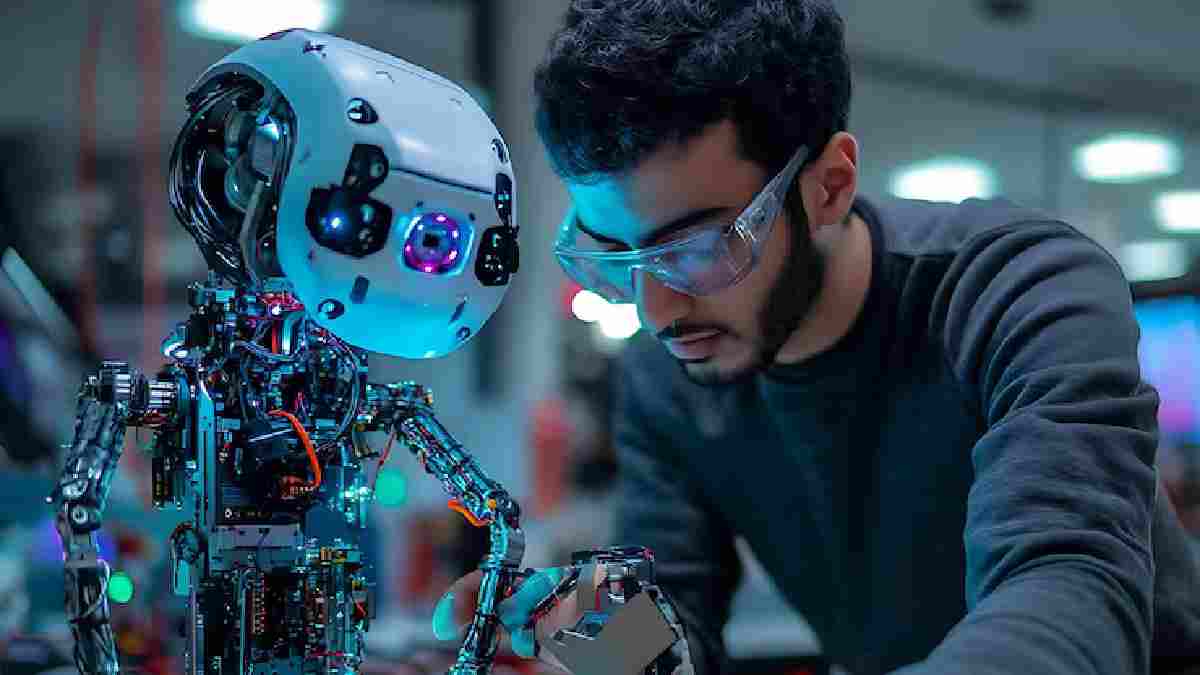
As India strives to become a global innovation hub, the laboratories in healthcare, pharmaceuticals, agriculture, environmental science, or academics must be ready for the AI era.
Laboratory data collection, analysis, and documentation have historically been done manually; laboratories have relied on manual processes for data collection, analysis, and documentation. While these processes still play an important role, they are costly and prone to human error.
Data analytics tools powered by AI can automate routine tasks that scientists can perform and identify patterns in data and provide insights with the speed of data analysis and discovery. This lets scientists concentrate on innovation, not routine workflows.
India already has an excellent scientific ecosystem with research institutions, universities, biotech companies, and pharmaceutical companies. But the growing volume of experimental data calls for smarter solutions.
AI can help laboratories manage large datasets, improve research accuracy, and enable predictive analysis which would require weeks or months of manual labor.
Healthcare laboratories are likely to be extremely well-served by AI integration. Machine learning models can help pathologists identify diseases from medical images, predict disease progression, and improve diagnostic accuracy.
AI is speeding up drug development in pharmaceutical research by identifying promising compounds and optimizing clinical trial plans.
Agricultural laboratories can also utilize AI to improve crop research, detect plant diseases more effectively, and do better analysis of soil health. Similarly, environmental laboratories can use AI to monitor pollution, predict climate change, and process satellite imagery with higher precision.
But digital adoption of AI needs more than just the purchase of software. Laboratories need reliable digital infrastructure, secure data management systems, high-performance computing resources, and knowledgeable skills to apply AI technologies.
Data science and AI basics training will be a must in order for scientists, technicians, and laboratory staff to implement AI.
Data quality remains another critical factor. AI systems can only do so well if they have the right information. Laboratories must standardize data collection, keep track of data and digital records, and be in compliance with ethical and regulatory guidelines. Protecting sensitive research data and cybersecurity should also be at the very top of everyone’s mind.
Government support, public-private partnerships, and collaboration between research institutions and technology companies can expedite the adoption of AI in India’s laboratory ecosystem. AI-based laboratory infrastructure and research funding will also help scientists to effectively tackle complex problems.
India has already demonstrated its technological capabilities in the areas of digital payments, space exploration, and information technology. The same momentum in scientific laboratories could significantly strengthen research productivity, global competitiveness, and innovation.
The AI era is no longer distant it’s already reshaping scientific research worldwide. Laboratories that embrace AI today will be better positioned to make groundbreaking discoveries, improve public health, and contribute to India’s long-term scientific and economic growth.
So preparing for AI now will ensure that Indian laboratories will remain at the forefront of worldwide research in the decades to come.