India has emerged as a global leader in tiger conservation, sheltering nearly 70 per cent of the world’s wild tiger population. That the country has made a big deal about the conservation of the endangered big cat is evident from the steady rise in tiger numbers over the last two decades.
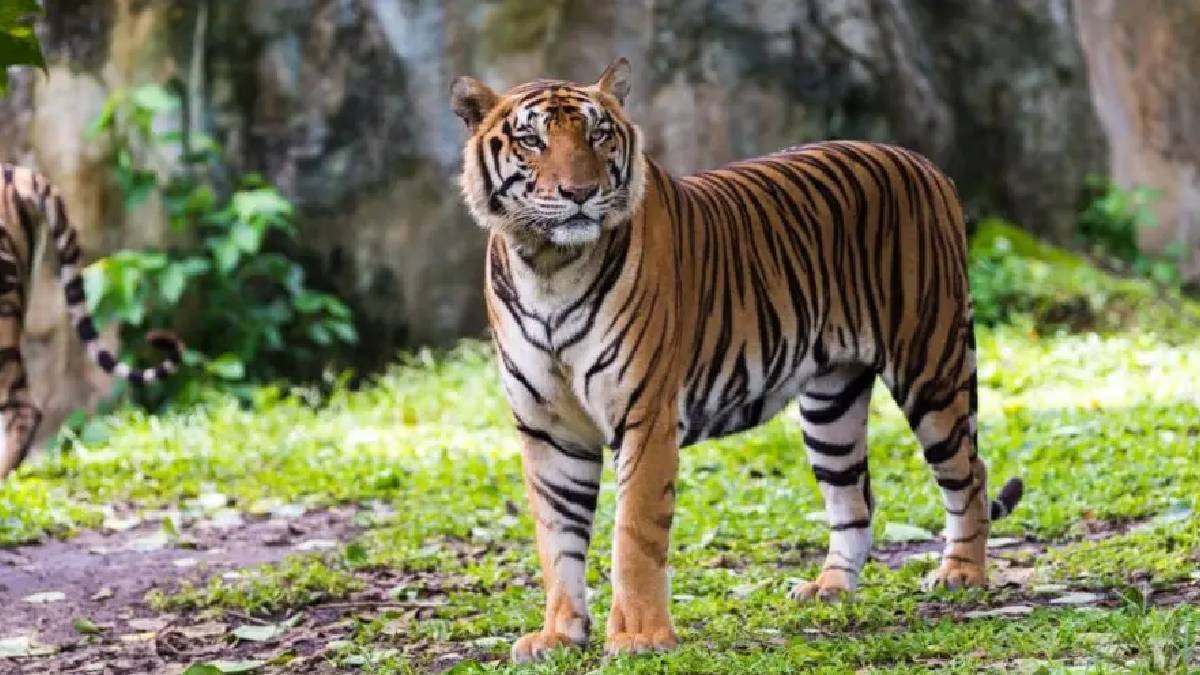
The tiger population in India increased from 1,411 in 2006 to 3,682 in 2022, and this indicates the need for continued conservation efforts, better wildlife protection, habitat protection, scientific monitoring and public awareness.
The growth in tiger numbers is seen as one of the world’s biggest wildlife conservation achievements. With habitat loss, poaching, illegal wildlife trade and human-animal conflict in several countries on the rise, India can maintain its position as the most important refuge of wild tigers worldwide.
Tiger numbers are on the rise.
The increase from 1,411 tigers in 2006 to 3,682 in 2022 represents a major improvement in India’s conservation journey.
The tiger population has grown through coordination among the central government, state forest departments, wildlife experts, conservation organizations, local communities, and personnel on the ground.

The management of tiger reserves has also helped to make them safer for the animals. Protection measures have also been strengthened to prevent poaching and curb illegal wildlife trade.
Regular monitoring has helped authorities to understand tiger movement, population trends, breeding patterns, and habitat requirements. Cameras, field surveys, scientific information, and modern technology have helped monitor tiger population assessment with more accuracy.
Project Tiger’s Continuing Legacy
But Project Tiger is a key part of India’s wildlife conservation strategy and was launched in 1973. The programme was initiated because tiger numbers were under such severe pressure and conservationists were concerned for the long-term survival of tiger populations.
Project Tiger has contributed to the creation and management of protected habitats throughout the country. Tiger reserves are now important conservation areas for tigers but also for leopards, elephants, deer, birds, reptiles and many more species.
The protection of tiger habitats also benefits forests, rivers and ecosystems. The tiger is the apex predator and is essential to maintaining ecological balance. A healthy tiger population is often considered an indicator of a strong and well-functioning forest ecosystem.
India and the global conservation work of India.
With nearly 70 percent of the world’s wild tigers living in India, conservation policies in the country affect the future of the species.
India’s tiger reserves are spread across several states and include diverse habitats from the forests of central India and the Western Ghats to the Himalayan foothills and mangrove ecosystems of the Sundarbans.
The country’s conservation model has attracted international attention because it integrates wildlife conservation with scientific monitoring, habitat conservation, anti-poaching efforts, and community participation.
But experts say that the growth of tiger numbers also brings new challenges. As tiger populations grow, animals may move out of such protected territories to seek territory and prey. This can increase the risk of human-tiger conflict in villages and agricultural areas near forests.
Need for Continued Protection
While the increase in tiger numbers is a major achievement, conservationists emphasize that long-term protection remains essential.
Habitat fragmentation, infrastructure development, forest degradation, poaching, and climate-related risks continue to pose challenges. Wildlife corridors connecting different forest areas are important because they allow tigers to move safely, maintain genetic diversity, and establish new territories.
Authorities must also continue working with local communities to reduce conflict and provide timely support in cases of livestock loss or damage.
Improved early-warning systems, rapid-response teams, awareness programmes, and fair compensation mechanisms can help to strengthen coexistence. And although the tiger numbers are up, conservationists say that long-term protection is needed.
Habitat fragmentation, infrastructure development, forest degradation, poaching, and climate-related risks continue to pose challenges. Wildlife corridors connecting different forest areas are important because they allow tigers to move safely, maintain genetic diversity, and establish new territories.
Authorities need to keep working with local communities to avoid conflict and provide assistance in cases of livestock loss or damage.
Leveraging early-warning systems, fast-response teams, awareness programs, and fair compensation systems can help to improve coexistence between human beings and wildlife.
A conservation success of global importance
India’s journey from an estimated 1,411 tigers in 2006 to 3,682 in 2022 shows what sustained policy support and coordinated conservation efforts can achieve.
The country’s growing tiger population is not only a source of national pride but also an important contribution to global biodiversity conservation. India’s success provides lessons for wildlife protection around the world.
The country will need to keep its forests and wildlife habitats well protected as development, ecological conservation, and community needs will be major challenges.
India’s tiger conservation performance proves that long-term commitment to conservation, scientific management, and robust protection measures can help endangered species recover. With almost 70 per cent of the world’s wild tigers now found in India, the country has the biggest responsibility to safeguard the future of the species for generations to come.