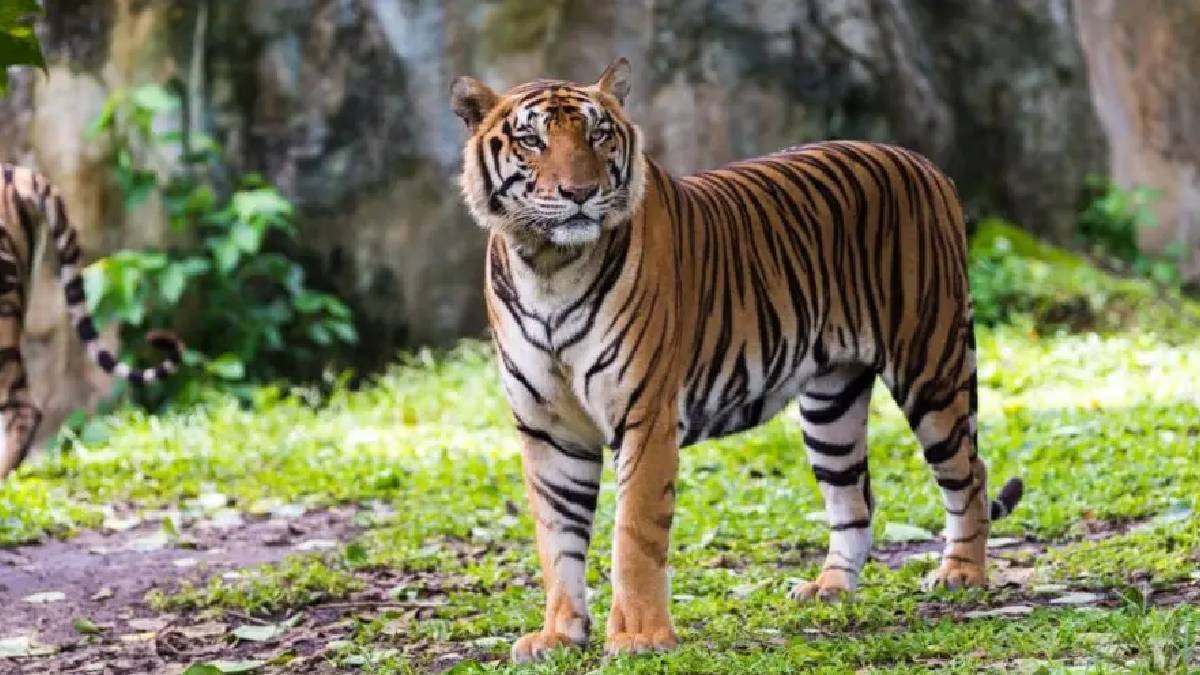
India’s achievement in wildlife conservation was one of the best in the world and it is home to nearly 70% of the world’s wild tigers. But as the country celebrates World Tiger Day, the country’s prospects are in decline. Between January and July 2023, more than 100 tiger deaths were recorded by the National Tiger Conservation Authority, indicating a nationwide crisis in wildlife conservation in the country’s major wildlife areas. This rate of tiger deaths is telling us that big cats are in an ever more difficult position as their number increases and their natural environment is shrinking.
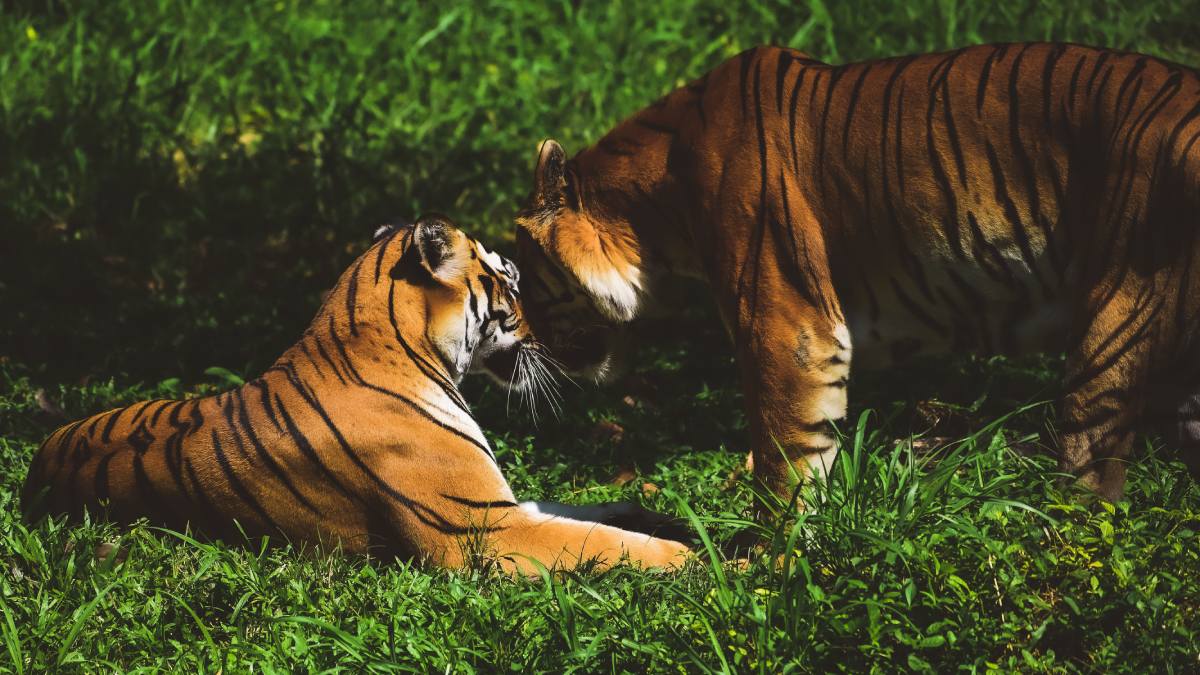
A particularly alarming thing about this mortality rate is that there is a high rate of deaths outside tiger reserves. Since successful conservation efforts have increased the tiger population considerably in the past decade, there is a huge gap between nature and humans in terms of available forest habitat in the area of a region and this makes dispersing sub-adults and territorial adults very difficult. In these unprotected areas they are very susceptible to accidental electrocution, retaliatory killings, poaching and vehicle accidents. The huge amount of land that once belonged to the same forests is now being cut apart by roads and railways and these animals are quickly coming close to human settlements.
Further complicating these geographical pressures, biological threats are also emerging, especially the worrying Canine Distemper Virus (CDV). Commonly harbored by domestic dogs living in forest areas near forests, the virus attacks the respiratory, digestive and nervous systems of apex carnivores and has previously caused lion and tiger populations to shrink. Wildlife agencies and vets have issued warnings of possible spillover and there have been calls to monitor disease and vaccinate domestic dogs around protected habitats. Protecting tigers has to go beyond wild areas to tackle health threats stemming from rural and semi-urban areas.
In addition, illegal wildlife trafficking and habitat destruction are threatening the long term survival of the species. Wildlife crime seizure and the loss of vulnerable cubs demonstrate the ongoing fight against commercial poaching syndicates. Conservation scientists stress that the future survival of India's national animal requires a paradigm shift. In the future, conservation will need to be done in a way that we are able to protect and restore critical wildlife corridors, prevent human-wildlife conflicts, regulate rural power grids so that electrocution is avoided, and develop more proactive conservation frameworks beyond official protected reserves.