India has made a historic step towards regional trade connection with the first commercial container freight train in India to Nepal. This successful journey across the border carries a major piece of canola that marks a significant advance in cross-border logistics and provides a fast, efficient and cheap commercial route between the two neighboring countries.
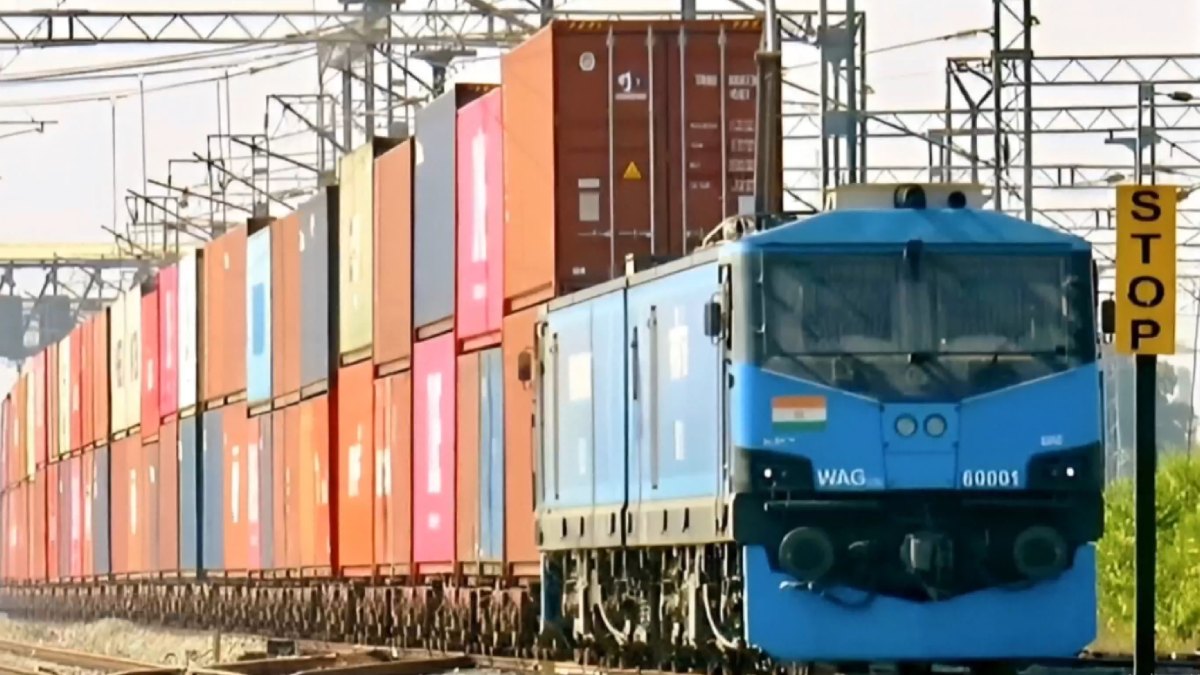
Based on the new India-Nepal Rail Transit Protocol and with the help of the broad gauge line between Jogbani and Biratnagar Customs Yard, the 40-wagon freight train was able to make it all the way from Kolkata Port. Logistics difficulties at the international border had previously made it very difficult for cargo to be moved to Nepal and the people going up to Nepal at the port in Nepal had to unload and reload their trucks. This was a time-consuming process with high transport costs and cargo degradation. By removing any intermediate handling, the new transit arrangement allows containerized freight to travel from port terminals to its destination terminal in Nepal in a seamless manner.
This structural optimization has huge benefits for traders, exporters, and logistics operators. Direct service cuts transit times by half and reduces the overhead cost of border warehousing and multiple handoffs. By keeping containers on the same train throughout the transit route, there is a lower risk of damage or loss and a reliable delivery schedule, providing an overall competitive advantage for the market.
Aside from bringing immediate corporate and economic benefits, this achievement is also a manifestation of India’s strategic orientation of creating strong regional connectivity in South Asia, modernizing trade networks, and promoting sustainable transport networks. As bilateral trade volumes continue to increase, this seamless railway link will reduce reliance on traditional road transport and build on India and Nepal’s economic relationship for years to come in a more sustainable and less dependent region, leading to better logistics and a more dependable economic relationship on both sides.