India faces an increasing public health threat from secondhand smoking with deaths from passive smoking rising by around 50 per cent since 1990, according to a new Lancet-linked analysis.
The findings have thrust attention on what can happen to people who smoke and others who involuntarily inhale tobacco smoke in homes, workplaces and other shared environments.
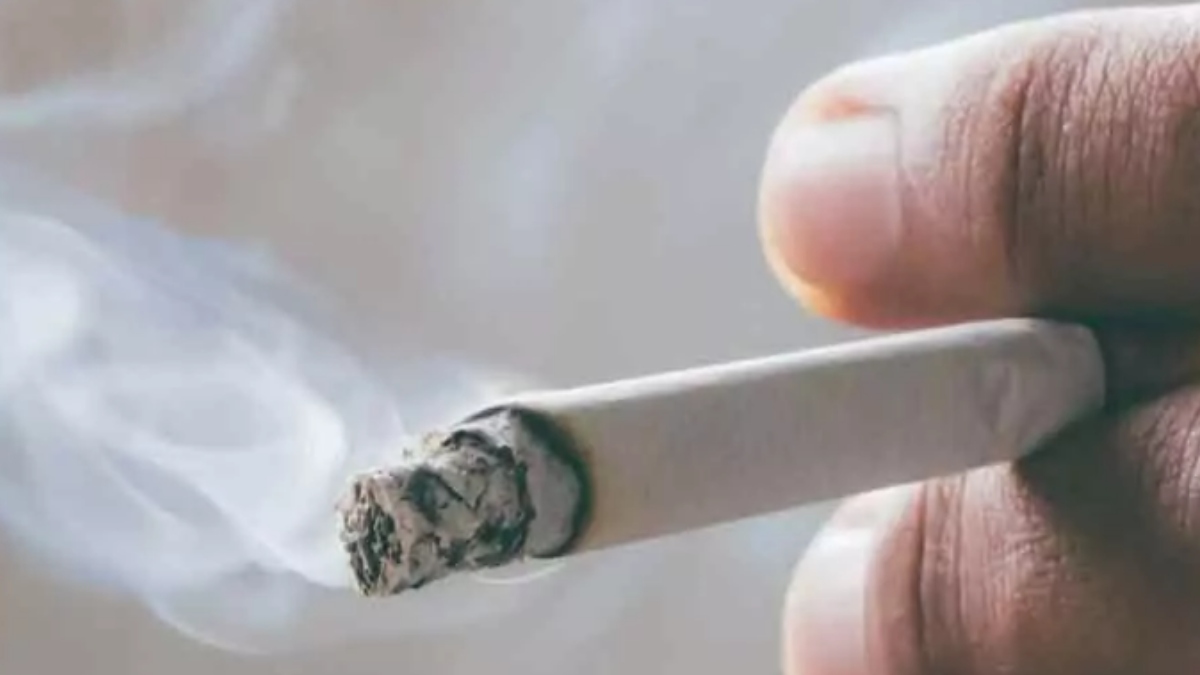
Passive smoking (secondhand smoking) is when smokers breathe in smoke released by smoking materials (such as cigarettes). Unlike active smokers, people who are exposed to secondhand smoke have little or no control over their exposure. The new findings show the long-term health implications of exposure repeatedly over several years.
The increase in deaths since 1990 is particularly significant in India because of the huge population and continued tobacco use. Even when one doesn't smoke, living and/or spending a lot of time around smokers can also increase one's exposure to harmful substances in tobacco smoke. This makes tobacco control a community-wide health issue, rather than a matter of individual smoking habits.
Secondhand smoke contains numerous harmful chemicals and pollutants. Long-term exposure has been associated with serious health problems, including cardiovascular disease, respiratory illnesses and some cancers. Children are particularly vulnerable because their lungs and respiratory systems are still developing. Childhood exposure has also been associated with increased risk of respiratory infections and other health problems.
The results also highlight a fundamental distinction between tobacco consumption and tobacco exposure. Public health campaigns have been primarily aimed at convincing smokers to quit and that's a big part of reducing tobacco-related disease. But avoiding exposure to non-smokers is a key part of tobacco control.
Homes are still a prime place for secondhand smoke exposure. Since smoking indoors typically creates a smoke-free environment, tobacco smoke can linger in the environment and impact the others of the household. Children and family members may be affected even if they have never smoked tobacco themselves.
Workplaces and public spaces are another area where protections against secondhand smoke can make a difference. Smoke-free policies are designed not only to discourage smoking but also to protect people who don’t smoke from involuntary exposure. Strong enforcement and public awareness can help make these protections more effective.
The rise in deaths also reflects the cumulative nature of tobacco-related health risks. Exposure may not be immediately apparent. Rather, repeated exposure over years can lead to diseases that are more serious later. This is the kind of thing that makes prevention more important, since the health effects of today’s exposure can only be seen in the future.
Over the years, India has introduced a number of tobacco control measures - restrictions on smoking in public places, warnings on tobacco products and other such measures to curb tobacco consumption. However, the continued burden of tobacco exposure is still high and we need to take action to prevent it, to raise awareness and to be able to implement it.
Experts and public health advocates have said repeatedly that reducing tobacco exposure requires action at many levels. We can help by having smoke-free homes, and not smoking around children and other non-smokers in our homes. And we can help to promote smoke-free environments, so that people are not able to be in conflict with existing tobacco control regulations.
The Lancet findings also place India’s situation within the broader global tobacco-health problem. Tobacco remains one of the most preventable causes of disease and premature death worldwide. Smoking prevalence has fluctuated in the world over the past few decades, yet the health consequences of tobacco consumption affect millions of people.
For India, the 50% increase in deaths linked to passive smoking since 1990 is a warning that tobacco exposure cannot be seen solely as an individual choice. Non-smokers can also bear a substantial health burden when they are regularly exposed to smoke.
The findings underscore the need to make homes, workplaces and public spaces safer from tobacco smoke. Greater awareness about the dangers of passive smoking could encourage smokers to avoid exposing others and motivate communities to support stronger smoke-free environments.
But to tackle India’s passive smoking crisis we need to do so in combination with prevention, education, effective tobacco-control policies and individual responsibility. The latest evidence shows us that to protect people from tobacco-related harm is to protect smokers and those around them as well.