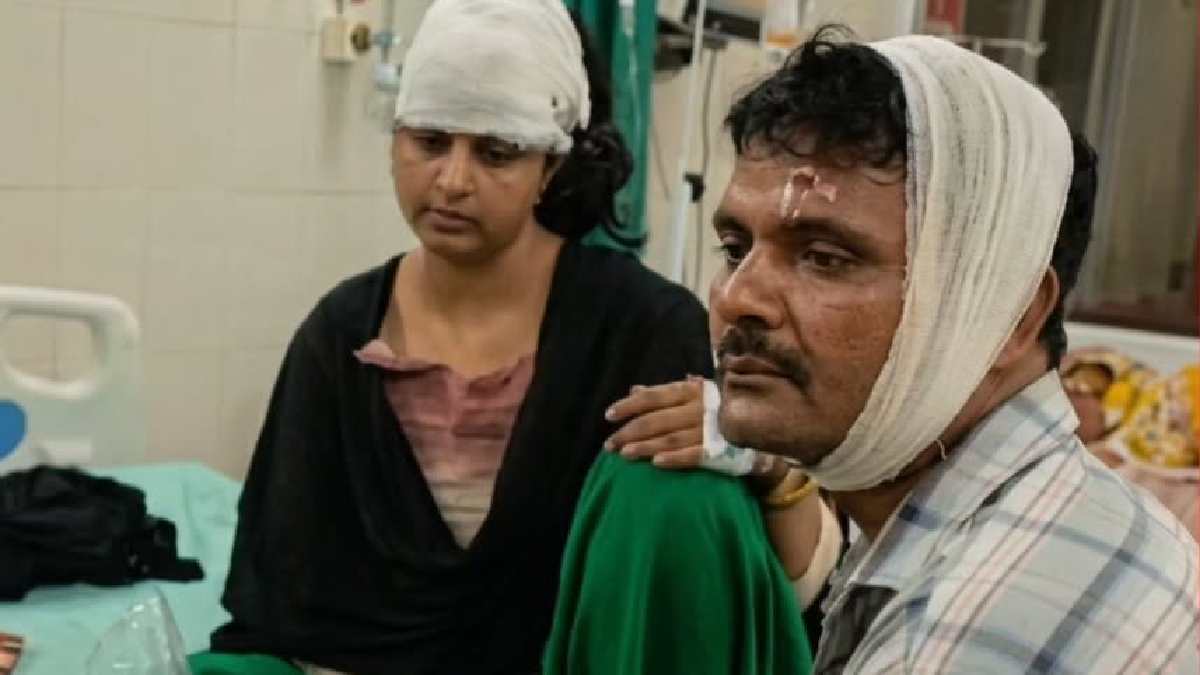
India is planning to beef up its pharmaceutical packaging laws as part of the fight against counterfeit and substandard medicines. The proposed reforms would further ensure that medicines are traceable and that they are genuine to the country, and will also support patients’ confidence in one of the world’s largest pharmaceutical industries.
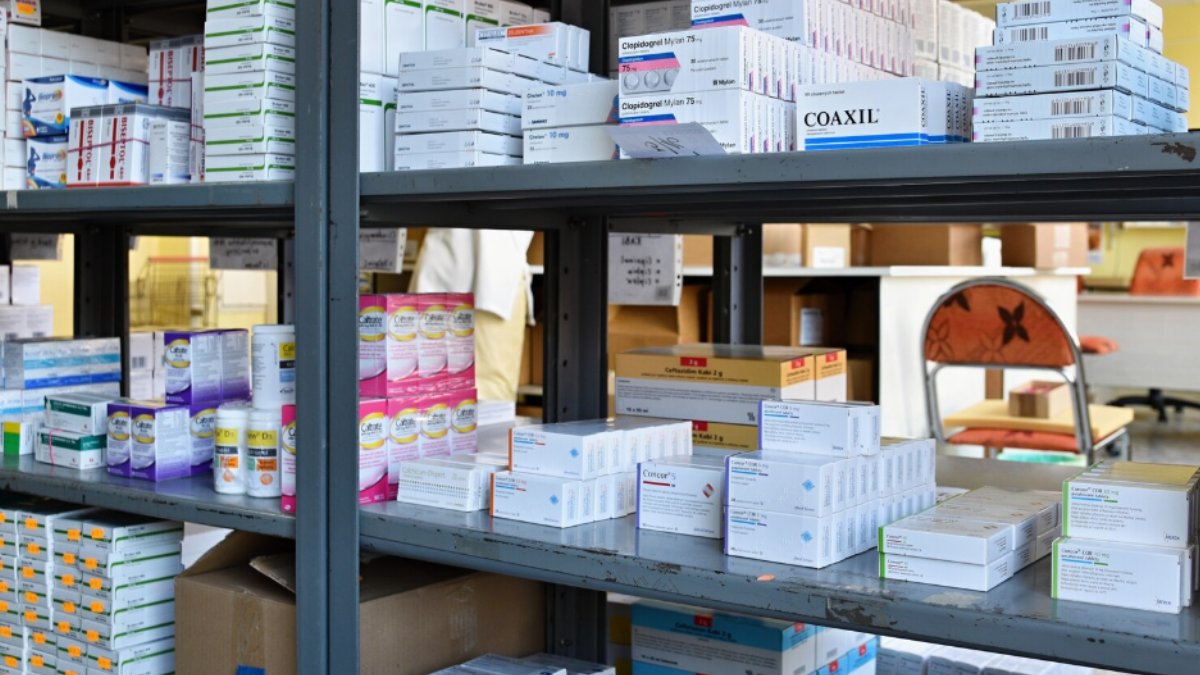
Counterfeit medicines remain a significant global public health problem. These products may contain incorrect ingredients, insufficient active pharmaceutical ingredients, or none of the therapeutic ingredients at all, potentially putting patients at serious risk.
By tightening packaging norms, Indian authorities hope to make it much more difficult for fake medicines to enter the legitimate supply chain.
What are the new rules in play?
India is one of the world’s leading producers and exporters of generic medicines. With millions of medicine packs produced and distributed every day, product authenticity has become more important.
Authorities have identified the need for stronger packaging safeguards as counterfeiters become more sophisticated. Fake packaging that resembles genuine products can make it difficult for consumers, retailers, and even distributors to distinguish genuine medicines from counterfeit ones.
The proposed regulations are expected to enhance the pharmaceutical supply chain by adding more security features that enhance product verification at every stage of the product process from manufacturing to the patient.
Likely features of the New Packaging Rules
The final regulations are yet to be officially notified but the proposed framework seems to be instrumental in encouraging the use of modern anti-counterfeiting technologies.
These may include:
QR codes or unique identification numbers on medicine packs.
- Barcodes for digital tracking throughout the supply chain.
- Tamper-evident packaging that clearly indicates whether a product has been opened.
- Better batch identification and manufacturing details. Better labeling standards for easier identification.
Such technologies would allow wholesalers, pharmacists, hospitals, regulators, and even consumers to verify the authenticity of medicines more easily.
Benefits for Patients
The biggest beneficiaries of stronger packaging regulations are expected to be patients.
If the new system makes medicines easier to authenticate, counterfeit drugs can be less likely to reach consumers. And patients would also have more confidence in the medicines they buy from licensed pharmacies.
In fact, digital verification through QR codes may enable consumers to find out manufacturing details, batch numbers, expiry dates, and product authenticity on smartphones.
Improved packaging can also help authorities identify counterfeit products more quickly during inspections and investigations.
Impact on the Pharmaceutical Industry
It may mean that for pharmaceutical companies, higher packaging standards will require additional investment in printing technology, packaging equipment, serialization systems, and digital tracking infrastructure.
While the costs of implementation will be high for the initial period of time, industry experts believe long-term benefits may outweigh the investment. Better product traceability will reduce the losses from counterfeit products, strengthen brand reputation, and help to comply with international regulations.
Indian pharmaceutical exporters could also benefit, as many international markets already require advanced serialization and track-and-trace mechanisms.
As attractive as it might be to implement packaging regulations in India's huge pharmaceutical industry, it is not without its challenges.
Small and medium-sized companies might require financial and technical support to upgrade their packaging facilities.
Authorities will also need to ensure that digital verification systems are secure, user-friendly, and interoperable on the part of various manufacturers and distributors.
Training pharmacists, distributors, and inspectors to utilize new authentication technologies will also be an important part of successful implementation.
Strengthening the Fight Against Counterfeit Medicines
Experts emphasize that packaging improvement alone cannot stop counterfeit medicines. It will take strong enforcement, regular inspections, supply chain control, public awareness campaigns, and strict legal action against offenders to a great extent.
Consumers are also instructed to only buy medicines from licensed pharmacies, to look for any tampering in the packaging, and to report any suspicious products to the authorities.
Healthcare professionals too possess an important role to play in educating patients about safe medicine purchasing practices and reporting suspected counterfeit products.
A Step Towards Safer Healthcare
India’s focus on more stringent pharmaceutical packaging is in line with the increasing attention to patient safety and supply chain integrity. Digital verification and secure packaging will become standard in pharmaceutical distribution as technology becomes a part of medicine.
If applied effectively, the proposed regulations will make India a safer place against counterfeit medicine and develop trust in the pharmaceutical industry in India. Better packaging standards together with robust regulatory oversight and industry collaboration will help India develop a more humane and transparent medicine supply system for millions of people.