India is considering a major reform in its transport sector by extending the validity of driving licenses from the current 20 years to 50 years. The Ministry of Road Transport and Highways’ proposed redesign would simplify renewal processes, reduce administrative burden, and integrate with global practices. If it were to be implemented, it would be one of the most significant changes in India’s licensing system.
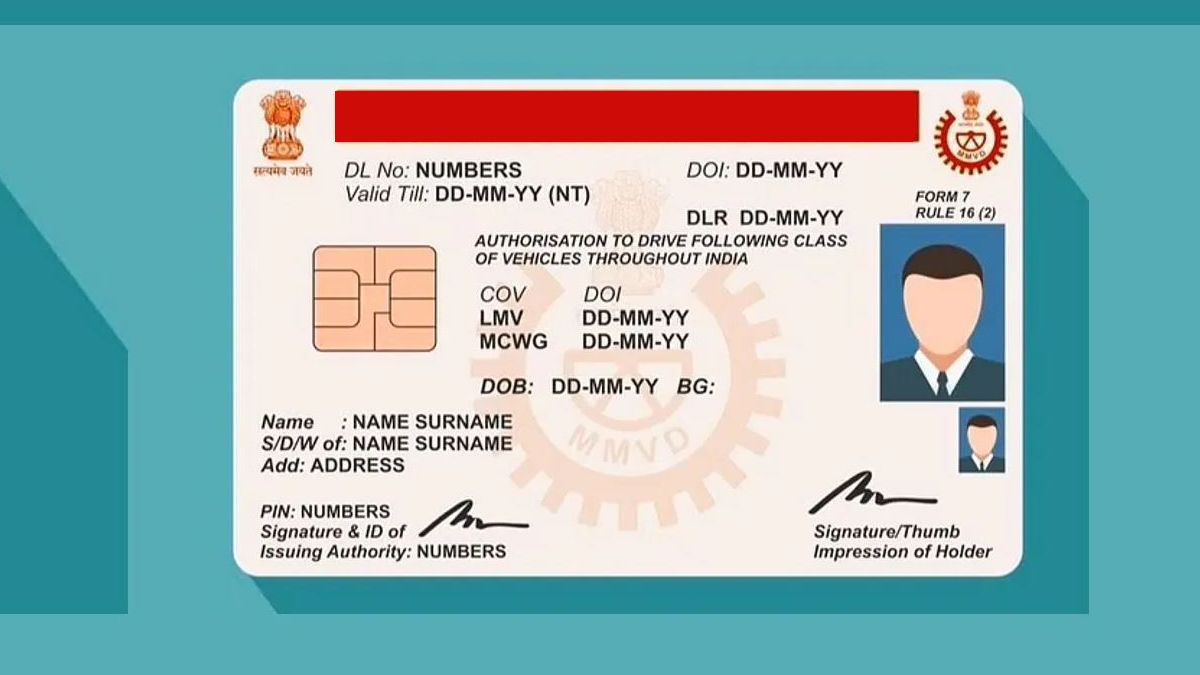
Once driver licenses are issued in India, they remain valid for 20 years (until the person is 50 years old in that case). Then a renewal is required along with medical fitness checks. The proposed extension would allow licenses to be valid for 50 years, which would cut down on the number of renewals. Transport departments are convinced that this will help to ease the load on them and make things easier for millions of drivers.
Key Highlights of the Proposal. Extended validity: From 20 years to 50 years
Reduced renewals: fewer trips to transport offices, saving time and resources.
Global alignment: matches or exceeds standards in several developed countries.
Medical checks: Obviously, medical checks are going to be mandatory at some age.
The government will also have to implement more sophisticated digital verification and medical fitness checks for road safety. Though the longer validity period does ease paperwork, health and fitness checks will be critical for elderly people particularly.
The reform could motivate people to apply for licenses in rural areas, where renewal processes are cumbersome, experts say. It also reflects India’s wider drive toward digitization and online portals and Aadhaar-based verification are expected to be more prominent in the future licensing system, they say.
And yet some critics believe that a 50‑year validity of drivers is a threat if medical checks are not robust. Road safety advocates stress the balance of convenience with responsibility in order to ensure that drivers are fit to drive vehicles in the long run.