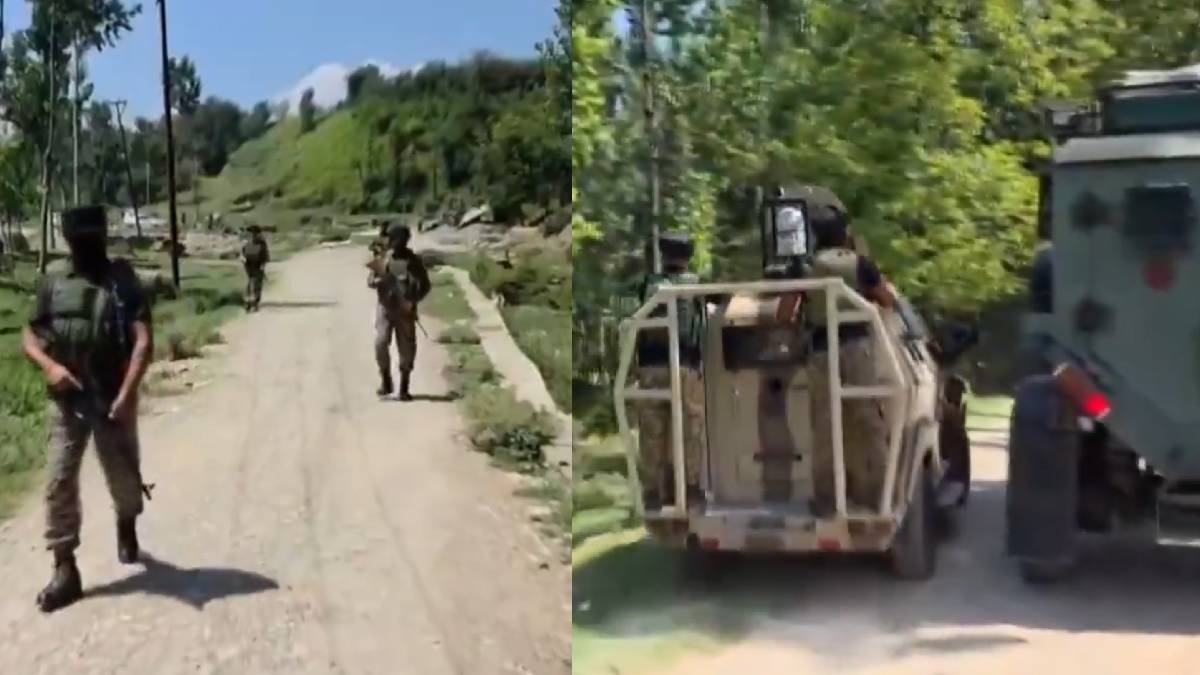
The Government released its ‘PRAHAAR’, India’s first-ever comprehensive anti-terror policy, on today, in a historic national security maneuver. The policy that was uploaded to the MHA website is the beginning of the shift in strategy from taking a reactive stance towards a proactive "whole-of-government" strategy at the forefront and not just targeting the terrorists themselves but the entire system designed to underpin them the whole infrastructure that facilitates it.
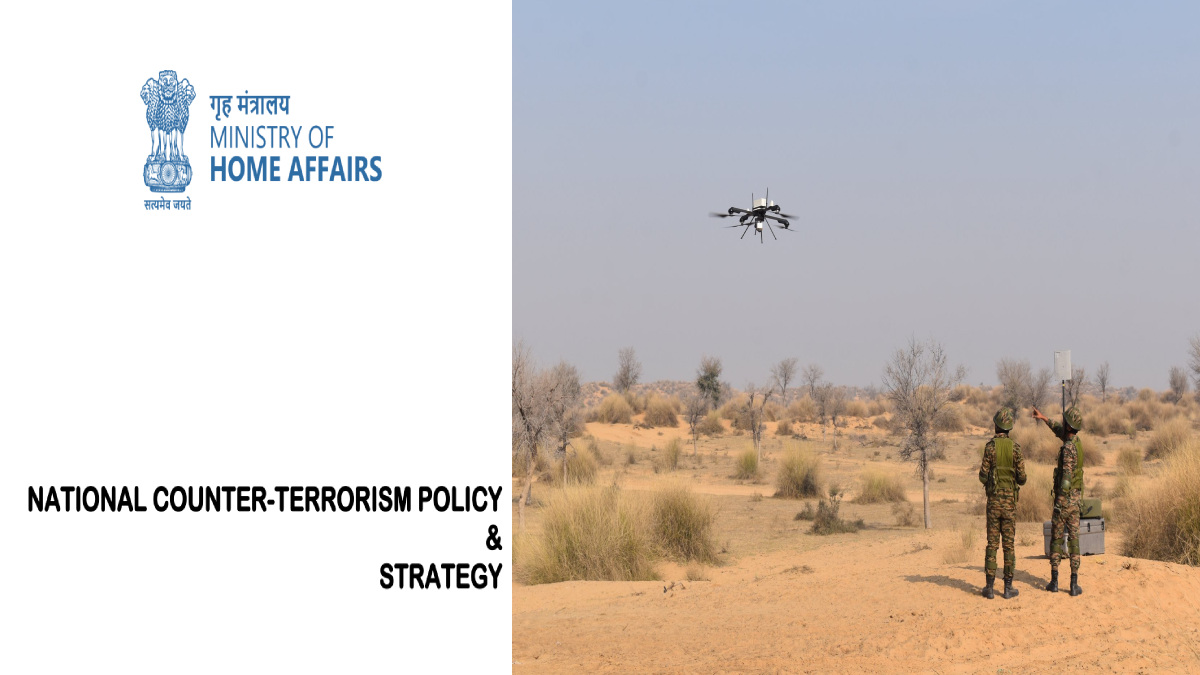
Decoded PRAHAAR: The Zero Tolerance Pillar
The PRAHAAR policy (which translates to 'strike') is a result of years of intelligence gathering and lessons learned from its big operations, including the 2025 Operation SINDOOR. One of the basic policies’ guiding principles is that India does not associate terrorism with any particular religion, ethnicity or civilization. Instead, terrorism will be characterized as an 'act of war' against the Indian state, requiring a coordinated and tough response.
The Policy gives the States and Union Territories one common footing for addressing new threats. A vital component to PRAHAAR is the creation of a National Anti-Terror Grid, requiring enforcement of digital devices such as the NATGRID and NIDAAN (National Integrated Database on Arrested Narco-offenders). It enables effective real-time intelligence sharing between NIA, IB, CBI, and state anti-terrorism squad (ATS) intelligence by replacing the traditional “need to know” culture that has prevailed through the past with a culture of “duty to share”.
Countering the "New Face" of Terrorism
The policy is clearly about the modern, hybrid form of warfare. It pinpoints digital radicalization, the misuse of open borders, and foreign-funded conversion networks as key theater in the war on terrorism. To meet this challenge, PRAHAAR establishes a dedicated Cyber and Information Warfare cell within the NIA with which personnel can monitor and counter pro-terror social media discourse and recruitment. In addition, the policy aims to combat the narco-terror ecosystem.
By intermeshing the activities of the Narcotics Control Bureau (NCB) and various financial investigative authorities in the course of the PMLA (Prevention of Money Laundering Act), PRAHAAR aims to choke the financial conduits that link organized crime, drug trafficking, and cross-border terrorism.
It also creates provisions for trial-in-absentia, which would enable courts in India to try the fugitives who are hiding in another country like Canada or Pakistan and seize their domestic assets.
Strategic Deterrence and Border Security
According to PRAHAAR, the Indian government has underlined that on any attack against Indian soil any counter-attack will have a well-calculated yet resolute answer. This strategy of “proactive defense” contrasts with old teaching of waiting till invasion.
In contrast, it focuses on “shaping the environment” miles beyond the border using precision intelligence-led strikes and international diplomatic pressure. By implementing PRAHAAR, India will achieve Naxal-free status by 31 March 2026 and bring militancy in Jammu and Kashmir to record lows. As Home Minister Amit Shah said on policy launch, "Terror is the biggest enemy of humankind. PRAHAAR is not just a document; it is an impenetrable shield for our future generations."