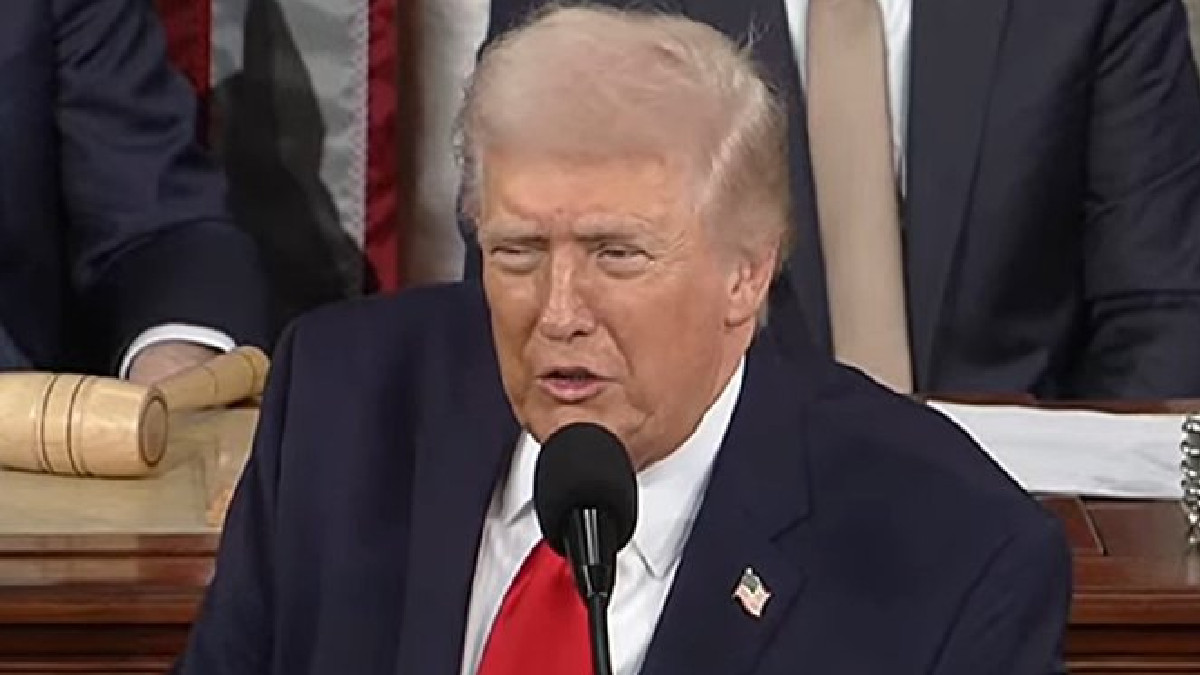
In that typical show of rhetorical heat and nationalist pride, President Donald Trump delivered his 2026 State of the Union address to a joint session of Congress Tuesday evening. The speech itself, which continued for over eighty minutes, focused on an unusual, controversial subject: the complete resurrection of the United States. Claiming that the nation was right on the verge of collapse now had recovered, Trump declared to a raucous room, “Just a short time ago, the United States was a dead country. That said, we are the hottest country anywhere in the world today.”
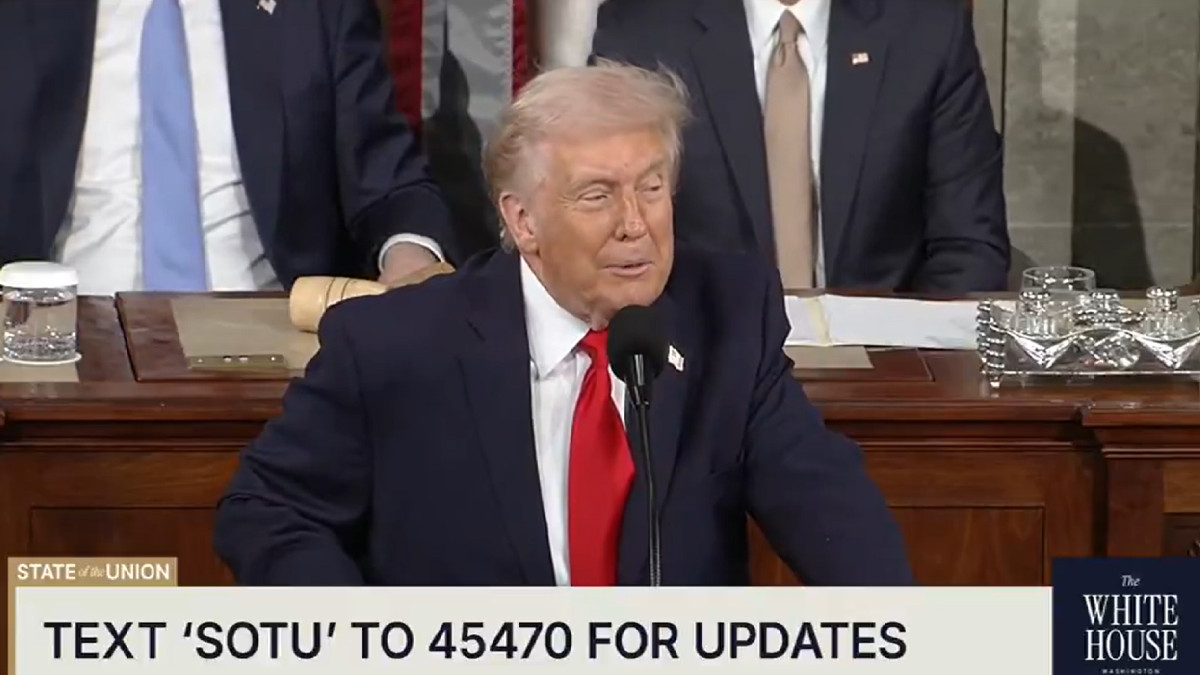
The President took up the first part of his talk with mention of the “Great American Comeback” in his own words. Comparing the present with the period preceding his return to office, Trump employed his typical bombast to depict a revivalist economic climate. He cited lower inflation rates, a surging stock market and repatriation of manufacturing hubs as signs of his “America First” agenda succeeding. “The world is watching with amazement,” Trump said. “They want what we have, but we’re preserving it for ourselves.”
Economic Power and the "Hottest" Market
At the heart of Trump’s “hottest country” argument was his administration's heavy-handed deregulation and tax overhauls implemented throughout 2025. U.S.-level dominance of an energy production and artificial intelligence sector was a claim on this charge. He said the U.S. had overtaken the world's competitors in energy generation and artificial intelligence, suggesting that this “Hottest country." international investors were "begging" for capital to come home as well he claims. "We stopped the bleeding. We prevented the bleeding of our wealth, our jobs and our dignity,” Trump shouted above the applause of his supporters. “We went from a dying giant to a roaring engine of prosperity.”
Security and Foreign Policy at the Borders
Shifting from the economy to national security, the President doubled down on his administration's draconian border policies. He pointed to the completion of significant sections of the border wall and implementation of mass deportation programs as the primary causes for a "restoration of law and order." Trump contended that the death of the nation he had conjured was a direct result of “open borders,” and that this story continues to be the crux of his political identity in 2026.
On the international scene, Trump upheld his “Peace Through Strength” doctrine. He said the U.S. had successfully navigated a number of international conflicts by posing as being unpredictable and overwhelming. He declared that America is no longer “the world’s piggy bank,” but an accepted– and feared– leader in foreign affairs.
The Divided Chamber
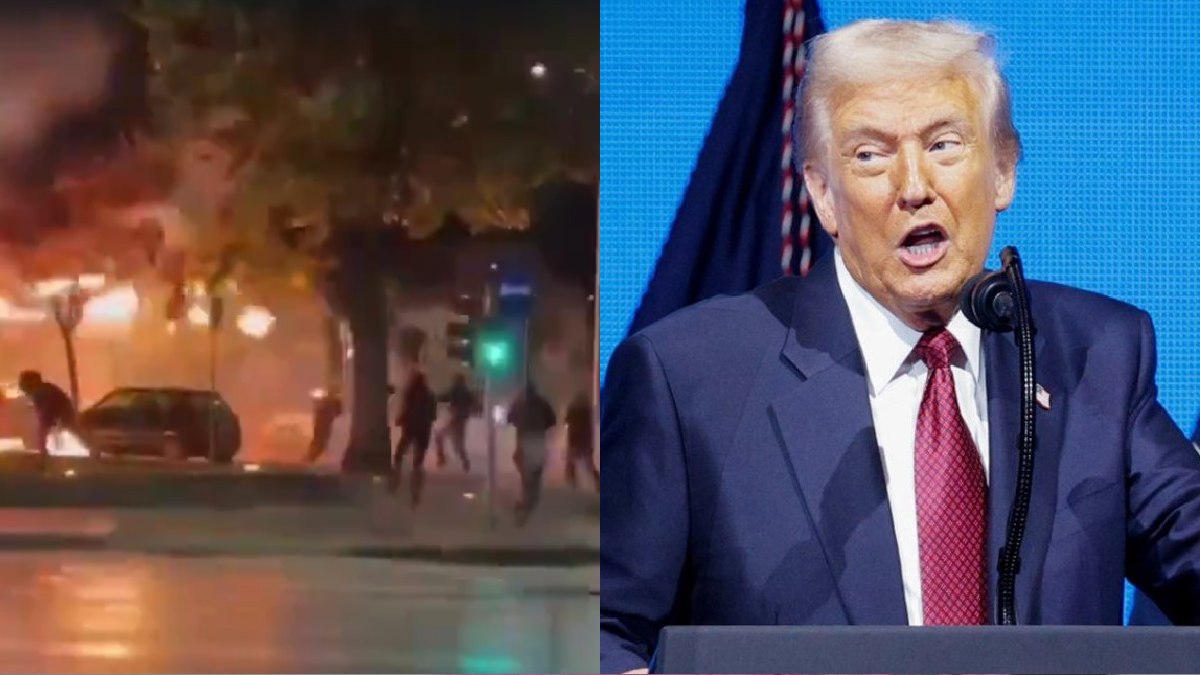
The speech was not without its moments of intense friction. The Republican side of the aisle persisted in standing for most of the address, while Democratic Congress members mostly remained sitting down, including many members of Congress who could hear their voices not liking Trump’s characterization of a “dead country.” Trump’s administration was quickly attacked by critics who took time to debunk the President’s assertions, claiming that his rhetoric evaded an ongoing struggle over availability of healthcare access and climate-linked emergencies.
This State of the Union address is the final opening salvo for the President’s party as mid-term elections across the country for 2026 draw near. By characterizing the current era as the "hottest" in American history, Trump has established a high-stakes benchmark for his administration's remaining years.