The Indian Air Force (IAF) launched a humanitarian evacuation operation in Nagaland to help out the people in the state when relentless monsoon rains caused landslides and road damage and hundreds of passengers were stranded after heavy rains in the monsoon season in the region.
Heavy rainfall in Nagaland has triggered numerous landslides in recent days, and in many districts, heavy rains have led to many landslides in the past few days, and after heavy rains shut down major highways and road access in some districts.
The damaged roads left commuters families, students, elderly people, and essential workers stranded without safe transportation.
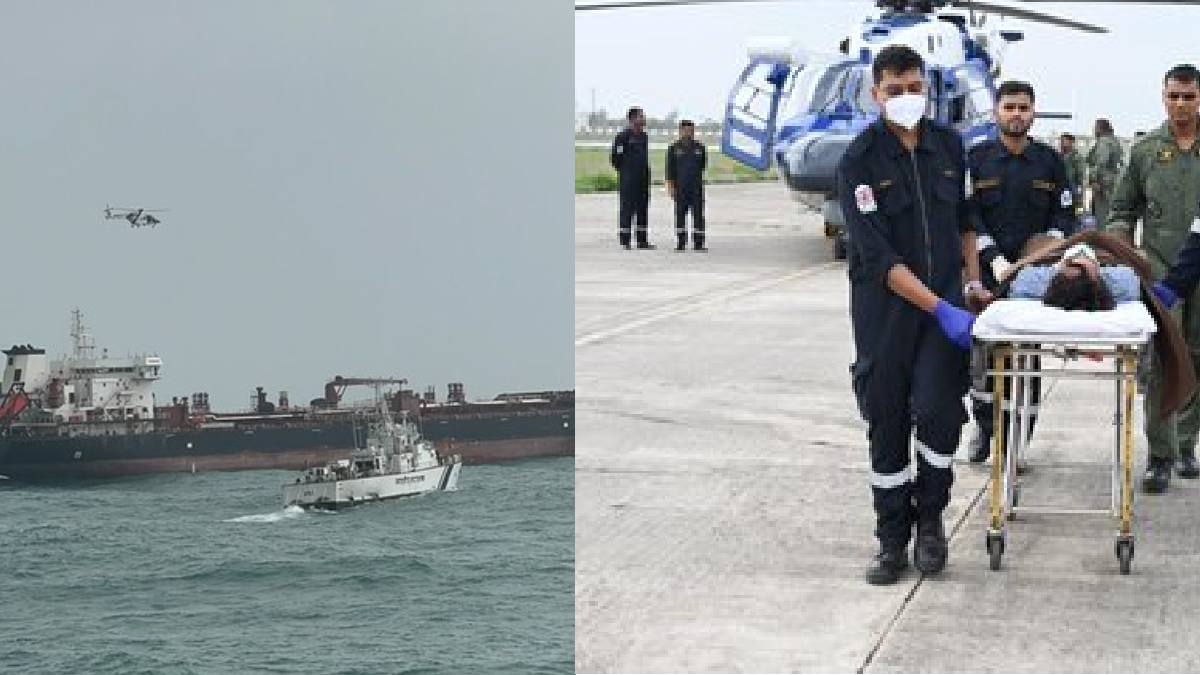
The Indian Air Force flew aircraft and helicopters over the country to evacuate victims from inaccessible areas through government request. This helped to get stranded passengers safely to continue on board or to get help.
The evacuation mission was planned in conjunction with Nagaland state administration and disaster management officials, officials said.

Ground teams were to work with Air Force personnel identifying vulnerable passengers, prioritizing medical cases and processing boarding operations.
Besides evacuating people, the IAF also sent relief items necessary for the affected areas. Food, drinking water, medicines, and emergency supplies were sent to those areas affected by damaged roads and landslide-hit areas.
The India Meteorological Department (IMD) also issued heavy rainfall warnings for some northeastern states in the region, including Nagaland, as monsoon conditions are active in the region. Residents should avoid traveling, especially in landslide-prone areas if the weather is bad.
Every year, the northeastern region experiences difficulties in the monsoon season, when heavy rainfall can cause flooding, landslides, and transportation problems.
Mountainous terrain makes road restoration difficult, and emergency response teams are needed from the military and disaster response agencies.
The Indian Air Force has always been at the forefront of disaster relief efforts in the country whether it was for floods, cyclones, earthquakes, or landslides they saved people, sent relief supplies, and restored connectivity.
Residents were grateful for the quick response of the rescue teams that saved them from more pain. Many stranded passengers had been waiting for a few hours before the evacuation process began, and even then they were in a food and drinking water deficit.
State officials continue to monitor the most vulnerable areas as rain continues, they said. Road repair teams have been sent to clean up the debris and repair damaged highways restoration is a slow process and will depend on weather conditions, they said.
People living in landslide-prone areas should be alert, follow official advice, and avoid traveling during heavy rainfall, disaster management officials have said. Emergency response teams are on standby as forecasts point to continued monsoon activity over the coming days, they said.
The successful evacuation shows the importance of coordinated efforts between the armed forces, state administration, and disaster response agencies to protect lives during natural disasters.
With the monsoon still going on across India, they are still trying to ensure public safety and restore normalcy in affected areas.