An Indian Air Force Wing commander arrested nearly two months ago on serious charges of leaking sensitive national defense information has yet to apply for bail and is held in judicial custody, sources said. The senior military officer was arrested on May 30 after a joint operation after the Indian Air Force's internal intelligence wing provided specific information to Delhi Police. The high-stakes case has attracted attention because of the sensitive nature of the information involved and the direct implications for national security.
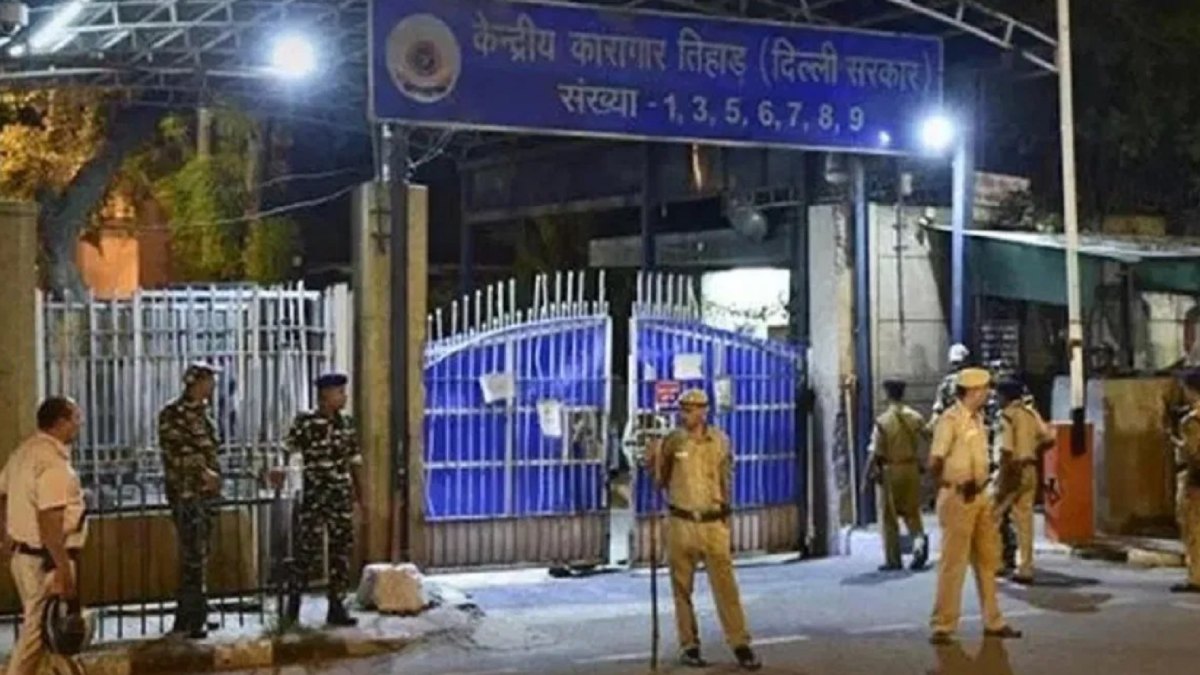
The accused officer is now in the very secure and police-controlled Tihar Jail and has been booked under the Official Secrets Act. In an interesting procedural move, the Delhi Police successfully filed a chargesheet before the competent court on July 30, bringing the case to court-level and now is sub judice. The investigators are going over the digital and physical evidence during the first weeks of police custody to build a case against the accused.
As Delhi Police revealed, the arrest was made after a formal complaint was submitted to the Indian Air Force after internal monitoring revealed the officer was honey-trapped by a suspected Pakistani intelligence operative to be at the scene. The Air Force maintained that he was under surveillance and was caught by the Air Force Police and handed over to the civil police for investigation. Given the serious nature of the situation, the armed forces have always taken the matter seriously and have always maintained a zero tolerance policy, whether it is breaches of operational security or mishandling of classified military data.
Law enforcement agencies suspect the officer may have been a central node in a much larger spying network that harvested and passed sensitive military intelligence across the border with foreign intelligence. Initial evidence suggests that the officer was first contacted on social media channels by a woman who is believed to have been employed by foreign intelligence handlers. The officer was in regular contact on digital messaging and video calls, and crucial classified documents and operational data were transmitted through unauthorized channels.
The situation was compounded by the fact that the officer was directed to install a specific mobile application on a colleague's mobile phone. Cyber security experts and investigators suspect that this application was spyware or remote access malware, the kind that could effectively extract sensitive data, track geographical locations, and intercept communications. The accused was taken to judicial custody and after the chargesheet was formally filed, it became a trial case.