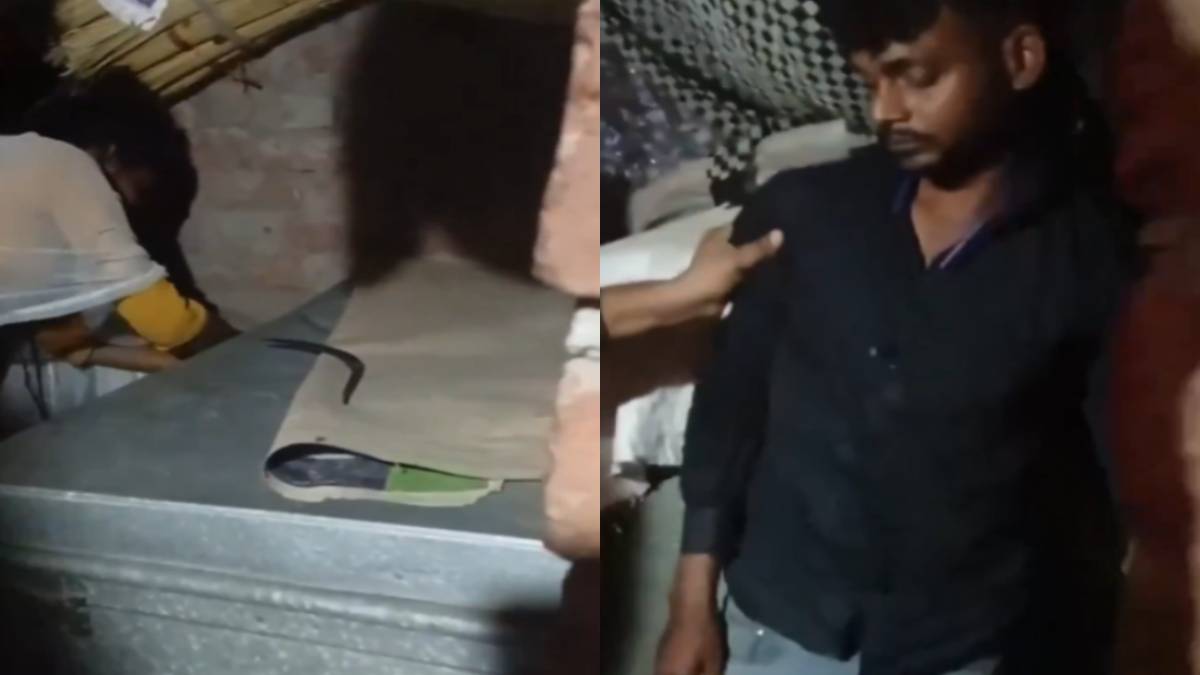
A huge hawala racket worth more than ₹1600 crore has been uncovered in Kanpur, Uttar Pradesh. The case came to light in a probe into a loot incident from which investigators learned devastating details about cash withdrawals, fake accounts, and syndicate activities. The revelations have led to serious concern about financial fraud and illegal transfer of funds in the region.
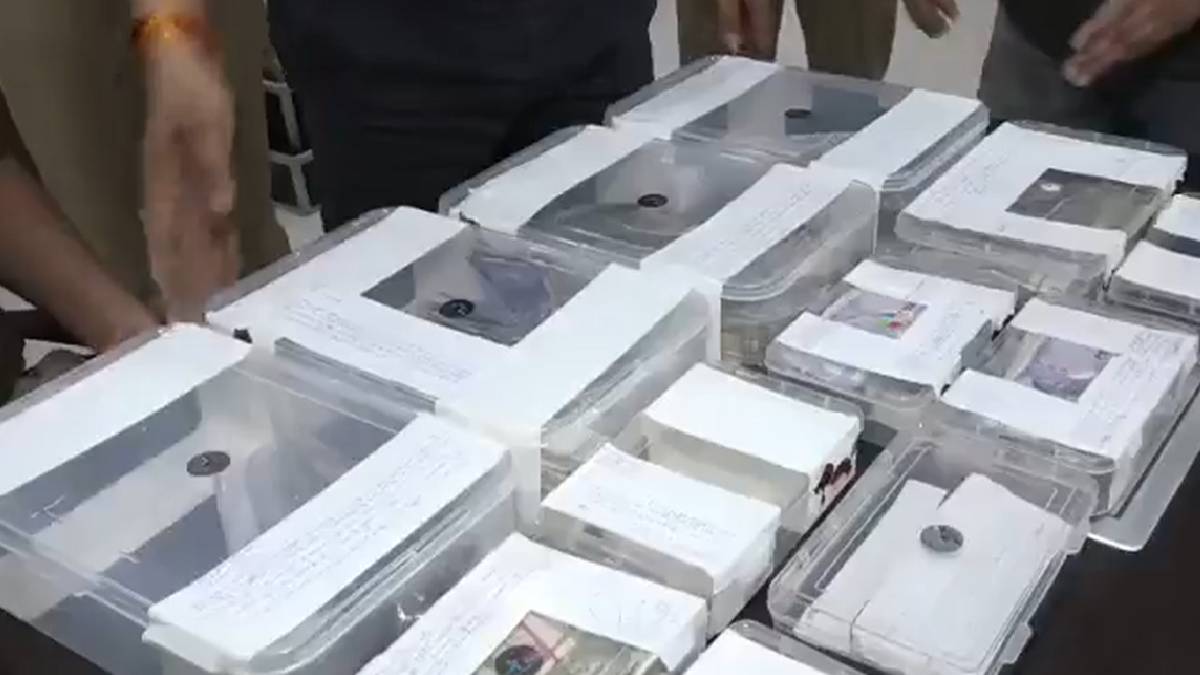
The case started off with a robbery involving ₹8 lakh. And as they probed further and further, they uncovered a much bigger racket linked to the Mahfooz family syndicate. For ₹850 crore in cash has been withdrawn only from IDBI Civil Lines branch, reports show. After this, over ₹1600 crore was pulled out in a total of only 2.5 years from 68 accounts across 12 banks.
The racket is associated with the Mahfooz family syndicate. 6 men Abdul, Subhan, Lareb, Zeeshan, Yasin, and Mujahid were arrested in connection with the case. Businessman Mahfooz believed to be the mastermind himself is said to have absconded. The group was suspected to have been running a well‑organized hawala network to shuttle and send the illegal proceeds to the criminals’ facilities.
When it was flagged, investigators realized that all 68 accounts registered their KYC at one address, and the fraud is simpler to follow. The accounts were employed to suck out the large sums of cash, sent to Kanpur. The scale of withdrawals, and the orchestration among different banks, suggest a well-coordinated operation.
The racket’s exposure has left Kanpur and other towns with a stunned response. The huge amounts being withdrawn without notice for years had concerned many. The case has generated controversy about loopholes in banking systems and the necessity for more rigorous monitoring of suspicious transactions.
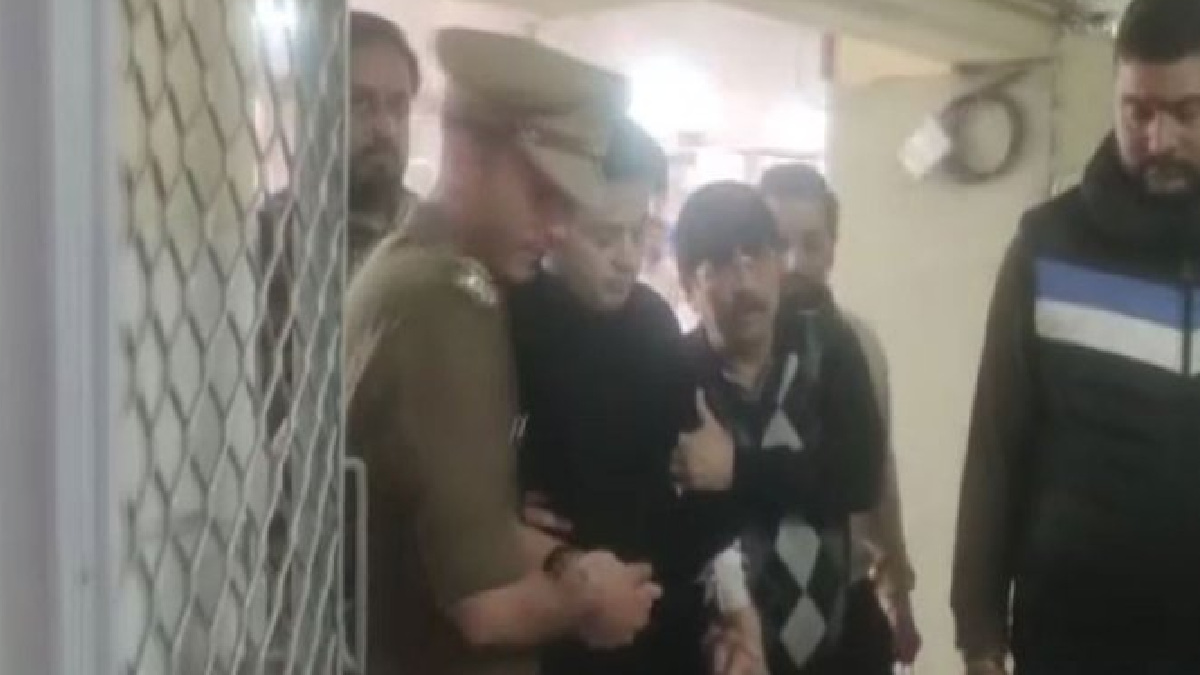
This also emphasizes India’s serious problem with hawala networks and financial fraud. It suggests that a strong KYC requirement, better monitoring of cash withdrawals, better cooperation between bank officials and law enforcement agencies among citizens at each level are all the most important measures. The revelations also raise questions about whether such networks have links to anti‑national activities or larger criminal syndicates.
The ₹1600 crore hawala ring in Kanpur is among the largest financial frauds discovered in recent years. The investigation continues after six arrests and the mastermind remains at large. The case highlights the need to address illicit money flows and strengthen financial systems.