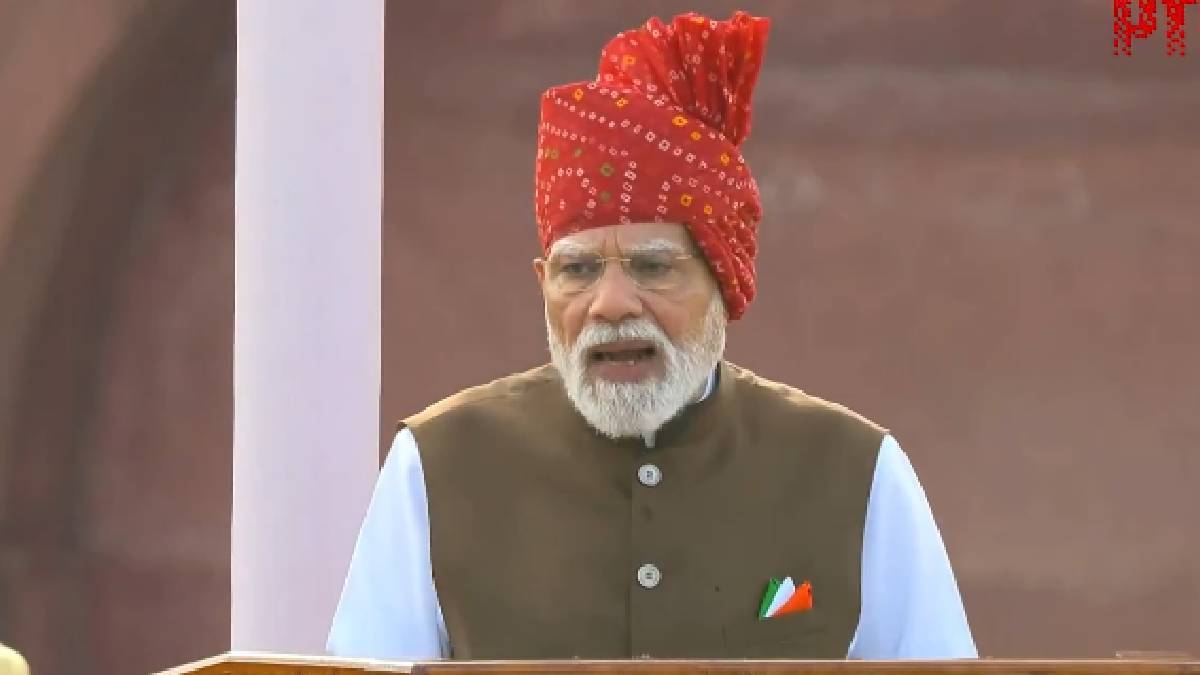
And so the Indian IT sector asked the Ministry of Labour and Employment to bring in an advisory advising businesses to promote WFH wherever feasible, under Narendra Modi’s call, particularly amid continuing global economic uncertainty.

The appeal touches several topics around which the PM wants us to reduce how much needless fuel we burn, use public transport more wisely, avoid wasteful consumption and seek a greener and better life as we battle our high-pressure global economy in the nation.
Experts are betting that better deployment of remote work and hybrid working will result in reduced fuel usage, traffic jams and general stresses on Indian cities. The IT body said having employees work from home part of the week, with energy savings, was a necessity and an important factor in employee productivity and work-life balance, it added.
The latter group also called on the Ministry of Labour to issue formal guidance to businesses, particularly technology companies and service firms, on the benefits of flexible working. The world’s IT companies started adopting a remote-working model, with which most IT employees had the ability to work remotely for extended amounts of time.
Although many companies have since resumed doing their jobs in the office, hybrid work arrangements are still attractive to employees. To analysts who back the revival of remote working, the project would be in line with government goals that might call for reduced fuel imports, pollution and reduced transport burden in overcrowded central cities such as Bengaluru, Hyderabad, Pune, Chennai and Gurugram.

Proponents of the scheme maintain that a partial half-time shift of work from home hours could reduce congestion at peak times, and that it would save hundreds of thousands of workers' travel fees. Environmental scientists also argue that decreased vehicle use can minimise carbon emissions in places such as cities.
But for a couple of other business leaders out there, they’re quietly making the tough call whether to roll out remote work, say. And yet all of these groups love good relations, teamwork, collaboration and cooperation, corporate cultures, of course, but also new starters and those who report to clients.
Labour and employment consultants cite that any government advisory likely would be nonbinding, offering businesses a way to select which policies would support their business the most effectively.
An increasing number of followers are now watching PM Modi, who was making a sweeping appeal to companies to make responsible economic decisions in a very uncertain global context, and the conversation around flexible working arrangements appeared online and in corporate circles.
Fuel cost is also on the rise, and the world’s economic pressures are likely to come in the next few weeks, with industry analysts saying many others will have rolled out voluntary hybrid work systems.