Jammu and Kashmir authorities have conducted coordinated searches across a number of districts as part of an ongoing investigation into the alleged use of social media platforms to glorify terrorism and encourage recruitment. The Counter Intelligence Kashmir (CIK) wing conducted raids in Anantnag, Shopian, Baramulla, Kupwara and Bandipora as per FIR No. 03/2023.
The investigation has been registered under sections 153A and 505 of the Indian Penal Code (IPC) as well as Sections 13 and 18 of the Unlawful Activities (Prevention) Act (UAPA). The case concerns charges that authorities believe could promote extremist narratives, support terrorism or facilitate recruitment through online platforms.
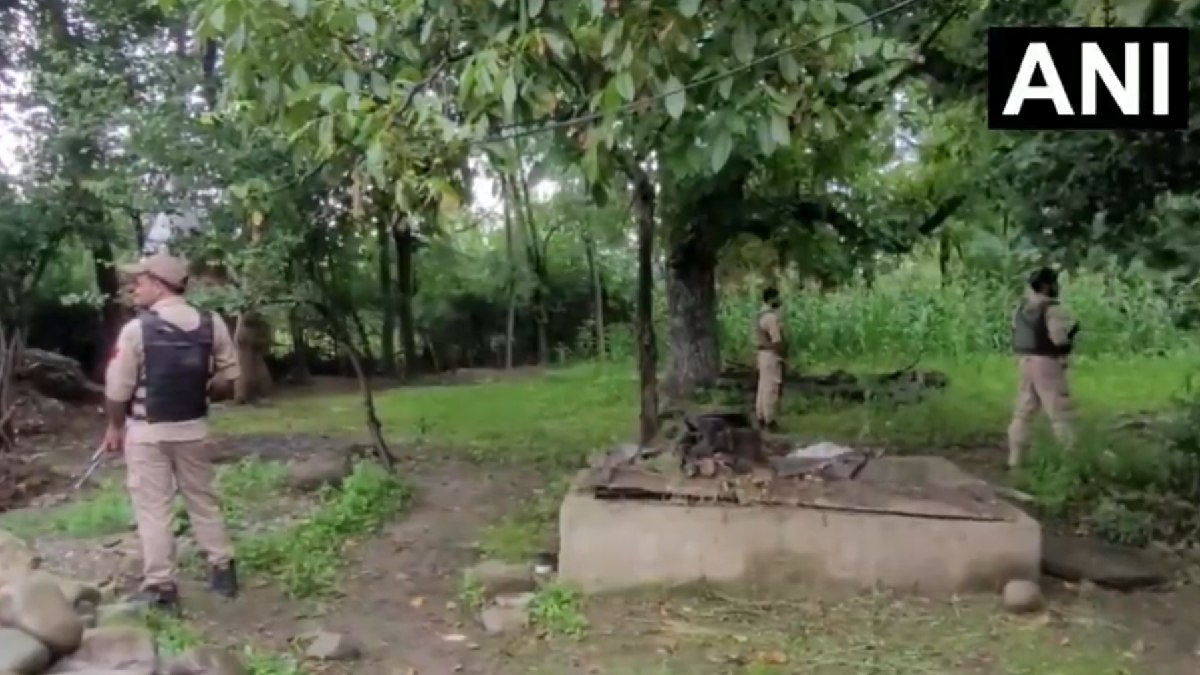
In one of the searches in Anantnag district, a CIK team led by Deputy Superintendent of Police Farooq Ahmad conducted a raid at a residential house in Hiller Shahabad. According to the information about the operation, officers seized two digital devices from the premises. The seized equipment will be examined as part of the investigation into the suspected online activities.
Digital devices can play a significant role in investigating alleged online radicalisation or terrorist propaganda: agencies can look at communications, social media activity, files, contacts and other material that would be relevant to a legal case. But the contents of the seized devices and their evidentiary importance need to be established in the course of the investigation and any subsequent legal proceedings.
The multi-district operation indicates that investigators are examining suspected activities across different parts of the Kashmir Valley rather than focusing on a single location. Searches were conducted in Anantnag, Shopian, Baramulla, Kupwara and Bandipora, with officers questioning people at the sites and collecting material that could possibly make the investigation more effective.
The government’s focus on social media misuse is indicative of an increasing role of online platforms in security investigations. Social media can be used to quickly spread propaganda, glorify militant activity, spread inflammatory content and potentially reach vulnerable people. Security agencies have therefore increasingly looked at online activities when investigating suspected networks connected to terrorism or extremist organisations.
At the same time, allegations made during an investigation will not be enough to constitute guilt. Any material recovered during searches will need to be assessed according to applicable legal procedures, and individuals questioned or named in connection with the case retain their rights under the law. More information about the identity of those being investigated, the nature of the digital material recovered and possible arrests can emerge as investigators analyse the evidence.
#WATCH | Qazigund, Jammu & Kashmir: Counter Intelligence Kashmir (CIK) conducted simultaneous search operations at multiple locations across Anantnag, Shopian and Baramulla districts.
— ANI (@ANI) August 8, 2026
During a raid at a residential house in Hiller Shahabad, Anantnag, a CIK team led by DySP… pic.twitter.com/UUJlgv5ORn
The provisions mentioned in the case cover allegations of promoting enmity between groups, statements that could cause public disorder, and activities associated with unlawful or terrorist organisations. Section 13 of the UAPA deals with punishment for unlawful activities and Section 18 deals with conspiracy or attempts relating to terrorist acts.
The investigation remains ongoing, and authorities are expected to analyse the seized electronic devices and other material collected during the searches to determine whether the alleged social media activities were isolated incidents or connected to a wider network.
The raids also highlight the continued security focus on stopping the spread of terrorism propaganda and recruitment in Jammu and Kashmir. Further investigation in the future will likely look at the digital evidence and the information collected through the searches as well as the next step.