Karnataka Outfit Opposes Maharashtra's Marathi-Only TET Rule for Kannada Teachers, Seeks Centre's Intervention
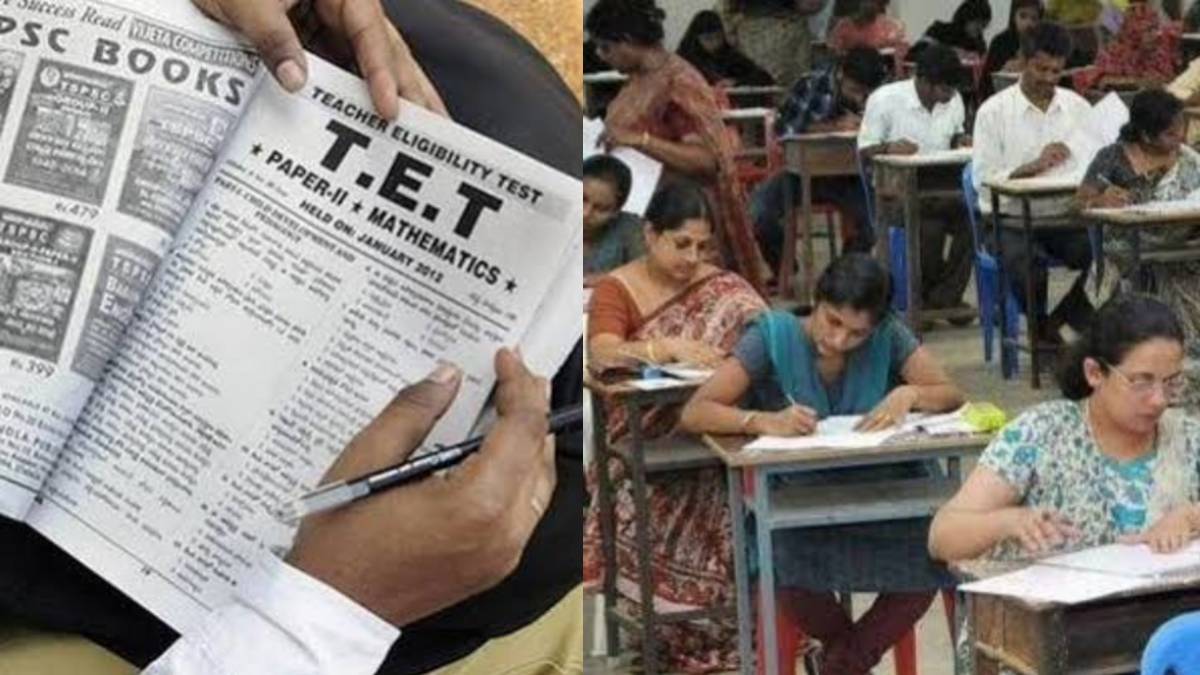
There is another language-related dispute in Karnataka and Maharashtra as a Karnataka-based organization opposed Maharashtra's reported decision to make passing the Teacher Eligibility Test (TET) in Marathi mandatory for candidates to teach Kannada in schools. It has asked the central government to intervene, as it will harm Kannada-speaking teachers and limit opportunities for qualified teachers and their ability to work as teachers.
The issue has once again raised a discussion on the strong linguistic ties between the two neighboring states in border areas where both Kannada- and Marathi-speaking communities reside.
The Karnataka outfit says making Marathi the only qualifying language for the TET, even for teachers who are appointed to teach Kannada, puts the burden on qualified Kannada language and literature experts. The policy would deter professional Kannada teachers from applying for vacancies in Maharashtra's Kannada-medium and Kannada-language schools.
Concerns Over Language Rights
Karnataka organization representatives say Kannada is one of India’s scheduled languages and should be treated with equal respect in those states where Kannada-speaking populations live. They say requiring Kannada teachers to pass a Marathi-language eligibility examination is unfair in terms of education for Kannada-speaking students.
The group has appealed to the Union Ministry of Education to see if the policy is compatible with constitutional safeguards for linguistic minorities. It has also asked for dialogue between the Karnataka and Maharashtra governments to find a solution for the Marathi and Kannada-speaking communities.
Impact on Kannada Schools
Several districts along the Karnataka-Maharashtra border have schools that offer Kannada as a medium of teaching or as a language subject. Educational organizations worry that stricter language eligibility standards could make it more difficult for schools to recruit qualified Kannada teachers, possibly affecting students who want to be in these institutions.
Supporters of the Karnataka outfit argue that while teachers working in Maharashtra should have functional knowledge of Marathi for administrative and local communication purposes, making Marathi the decisive eligibility criterion for teaching Kannada may not be the most practical approach.
On the other hand, supporters of Maharashtra's policy maintain that teachers working in government schools must interact with students, parents, school authorities, and administrative officials in Marathi. They maintain that proficiency in the state's official language is essential for effective work in the education system.
Call for Dialogue
It has emphasized that the issue should be resolved through constructive dialogue rather than through political confrontation. Both state governments have called on the schools to put students’ interests at the center of policies for language and ensure that language policies do not put barriers in the way of qualified teachers teaching.
Education experts say that multilingual states often struggle to balance regional language requirements with the need to recruit subject specialists. Flexible language proficiency standards or additional language training after recruitment might help to address administrative requirements while preserving opportunities for teachers from linguistic minority communities.
The latest development will set the stage for more debates on language policy, teacher recruitment and the constitutional rights of linguistic minorities. How the Centre could intervene or encourage bilateral talks between the two states remains to be seen.
As the debate goes on, each side of the divide, the people of Karnataka and Maharashtra, will seek to find a solution that is good for education but also for India's linguistic diversity.