App-based bike taxi operators in Karnataka are in big trouble as the state government has said it cannot allow motorcycles to be commercial taxis. That is also the state government’s position in a legal battle for the operations of bike taxis in the state and a growing push from transport authorities to stop any unauthorised services.
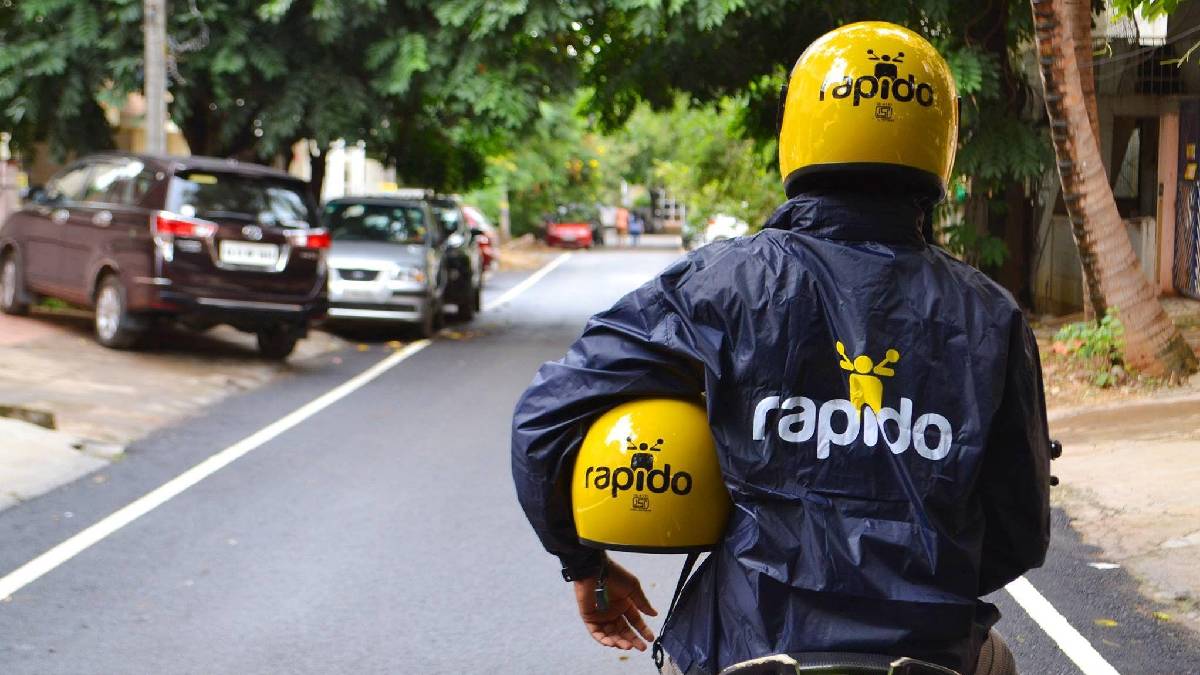
And in an affidavit filed before the Supreme Court, the Karnataka government has cited passenger safety, insurance concerns and the risk of accidents as key reasons for opposing permission for bike taxi services.
The development will have a significant impact on app-based mobility platforms such as Rapido, Ola and Uber, which have been offering or facilitating two-wheeler-based passenger services in Bengaluru and other parts of Karnataka.
Karnataka Government Cites Passenger Safety
If motorcycles are allowed to be commercial passenger vehicles, the affidavit states, then motorcycles could pose serious safety hazards.
The government has claimed passengers in such vehicles may not have enough protection in case of an accident. Insurance coverage, the state says, is another big concern.
Unlike conventional commercial taxis, which are regulated in a specific way, the government has wondered whether the existing framework provides adequate protection to passengers using motorcycles as taxis.
The state also cited the relatively higher risk of two-wheelers. Motorcycles offer far less protection to riders and passengers than four-wheeled vehicles, making road safety a key factor in the government's case before the Supreme Court.
Government Questions Legal Framework
Another important argument put forward by Karnataka is the Motor Vehicles Act.
The state government has argued that the central motor vehicle legislation does not specifically define or establish a regulatory framework for the term "bike taxi".
In light of the government’s argument, without a specific legal framework, it is difficult for the government to make motorcycles commercial passenger taxis without appropriate regulations and safeguards.
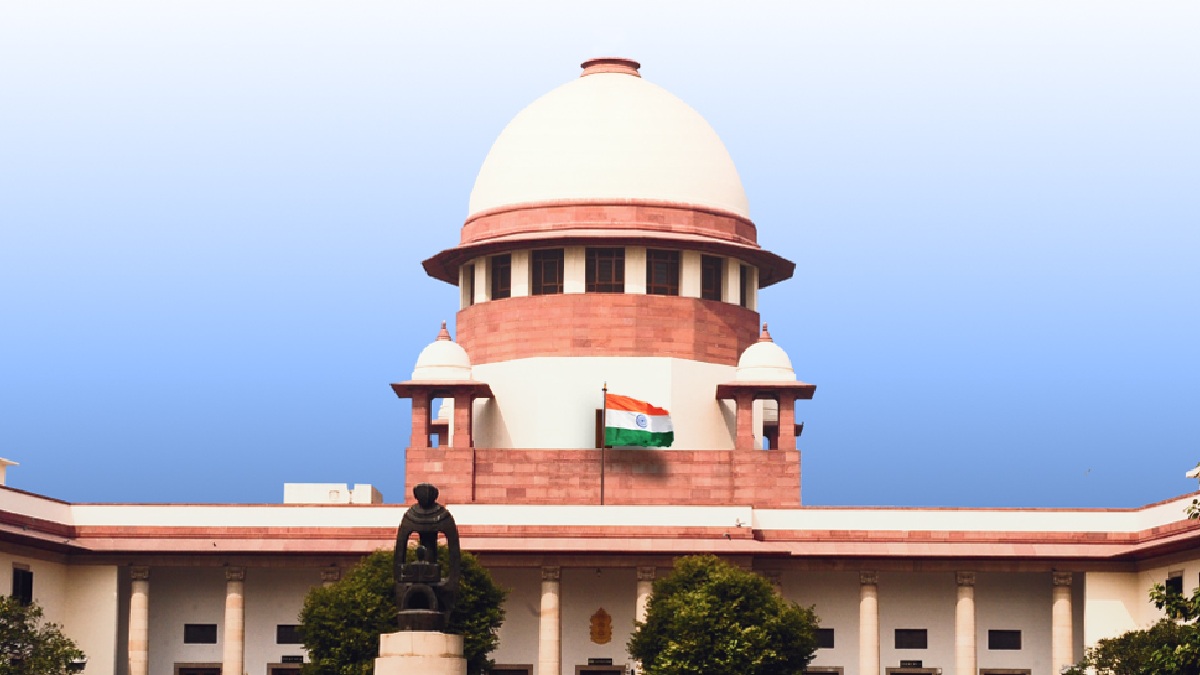
The matter has reached the Supreme Court after the Karnataka government challenged an earlier Karnataka High Court decision on bike taxi operations.
RTO Crackdown In Bengaluru
Even as the legal battle continues in the Supreme Court, Karnataka’s transport department has also stepped up enforcement against the alleged unauthorised bike taxi operations.
RTO officials have conducted raids in some parts of Bengaluru, targeting motorcycles that are allegedly being used for commercial passenger transportation through app-based platforms.
Koramangala has emerged as one of the areas where enforcement activity has intensified. RTO officials seized more than 85 bike taxis in a single day during the last operation, said transport department officials.
On the other hand, the crackdown was followed by another major enforcement drive in which 256 bikes were seized in a single day.
And now hundreds of motorcycles have been seized in less than two days as authorities crack down on services they perceive to be unauthorised.
11 Special Teams Deployed
In order to strengthen enforcement, the transport department has formed 11 special teams to identify and take action against unauthorised bike taxi operations.
These teams will monitor the areas where app-based bike taxi services are believed to be operating and take action against vehicles that do not meet the applicable commercial transport requirements.
The increased enforcement would put uncertainty on bike taxi operators and passengers who rely on such services to travel relatively cheaply and quickly.
What happens at the end of the day?
The Supreme Court's proceedings will be closely watched by bike taxi companies, drivers, passengers and other stakeholders in Karnataka's urban transportation sector.
For passengers, bike taxis have often been a relatively cheap, fast way to go through Bengaluru’s increasingly congested roads. For many drivers, these platforms have also been a source of income.
But the Karnataka government’s latest affidavit indicates that safety, insurance and regulatory compliance will remain at the center of the dispute.
The outcome of the Supreme Court case will determine whether app-based bike taxi services can operate legally in Karnataka under the current framework or if a different regulatory mechanism will be needed.
Until legal clarity is achieved, operators and passengers will continue to face uncertainty, and the enforcement will remain on the lookout for unauthorised bike taxi businesses in Bengaluru.
So the dispute is more than just a clash between the government and ride-hailing platforms. It raises more fundamental questions about how India’s transportation laws should change to accommodate app-based mobility services at the same time as ensuring passenger safety, insurance protection and regulatory responsibility.