But concerns about poor water quality in rivers and the state’s aging sewage treatment system are increasing and Karnataka is now growing in size and scale to improve sewage treatment facilities across the state.
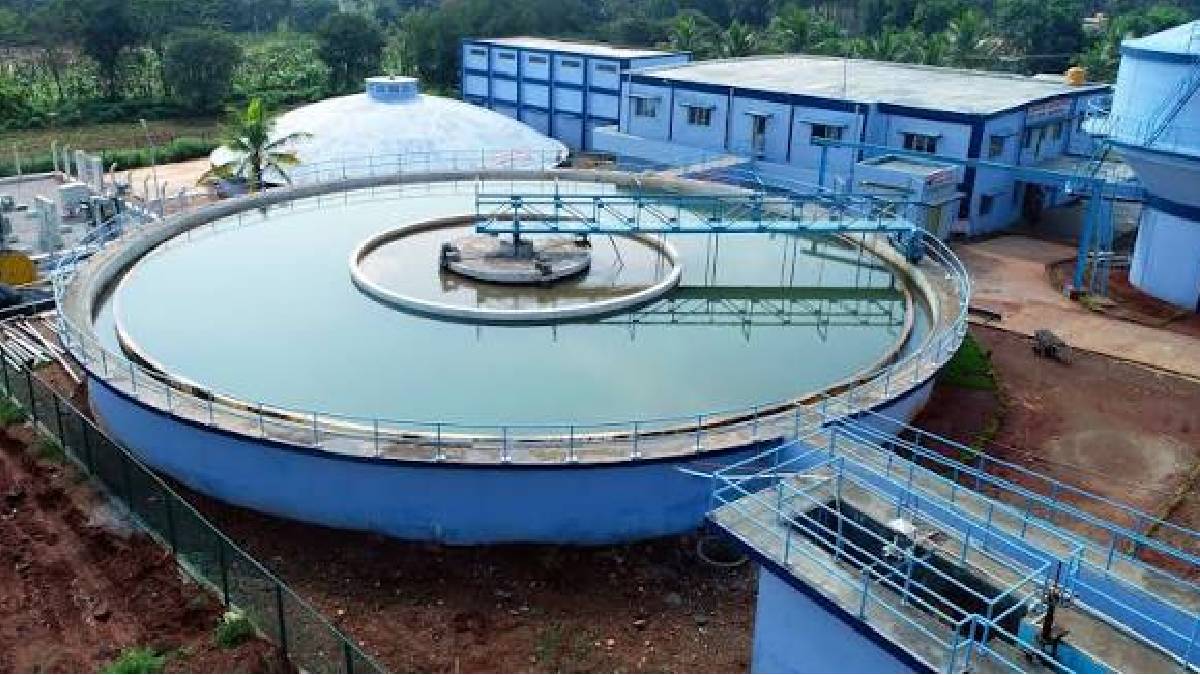
With sewage outflow into major rivers still flowing untreated, officials are aggressively building and modernising sewage treatment plants (STPs) in order to curb pollution and save the health of vital water bodies.
Fast urbanisation, population growth, and lack of wastewater management are increasing pressure on Karnataka’s rivers.
The state's urbanisation, population growth, and inadequate wastewater management have put more and more pressure on Karnataka's rivers.
Every day, cities and towns produce huge volumes of domestic sewage, and most of it still spills into lakes, streams, and rivers without proper treatment.
Scientists say this has left water quality, biodiversity in the rivers, and the health of the communities that depend on these rivers deteriorating, putting a strain on the environment.
The state government is also expanding sewage treatment capacity in many urban centres and building up sewerage networks to ensure that the wastewater is delivered to treatment plants instead of flowing directly into natural water bodies.
New plants are also being enhanced with more efficient wastewater treatment technologies to meet required environmental standards.
The management has stated that improving sewage treatment infrastructure will reduce the amount of untreated wastewater that ends up in rivers.
Treated water can also be used in industrial operations, gardening, construction, and agriculture, which will cut down on freshwater pollution and support sustainable water management.
More pollution has been found in some rivers in Karnataka as domestic sewage and other kinds of waste have become more prevalent.
There has always been a push for better wastewater treatment to prevent contamination. More STPs are a step in this direction.
Aside from building new treatment plants, authorities also want to improve the function and maintenance of existing ones.
Poor maintenance and underutilisation have led to the poor performance of some sewage plants in the past. Frequent monitoring, technical improvements, and better coordination between urban local bodies should improve these systems.
Experts have said that sewage treatment alone will not solve the problem unless it is supplemented by stronger enforcement against illegal waste discharge and greater public involvement.
Proper disposal of household waste, better sanitation, and knowledge of water resources are also important for the long run.
The government’s wider approach is to undertake river rejuvenation projects, lake restoration projects, and investments in sustainable urban infrastructure aimed at improving the environmental health of Karnataka.
These interventions will help complement sewage treatment efforts and help clean the riverways over time.
Environmental organisations celebrate the new attention given to wastewater treatment and say that it will be successful if projects are completed on time, maintenance is carried out consistently, and water quality is monitored.
If done right, sewage treatment facilities can assist in lowering river pollution, saving the ecology, and ensuring cleaner water for future generations in Karnataka.