In a bold initiative to increase public health and preventive healthcare for young people, the Karnataka government has decided to conduct HIV testing and counselling in all colleges in the state. The initiative will raise awareness about HIV/AIDS, early diagnosis, low stigma regarding the disease, and early treatment for people who need medical help.
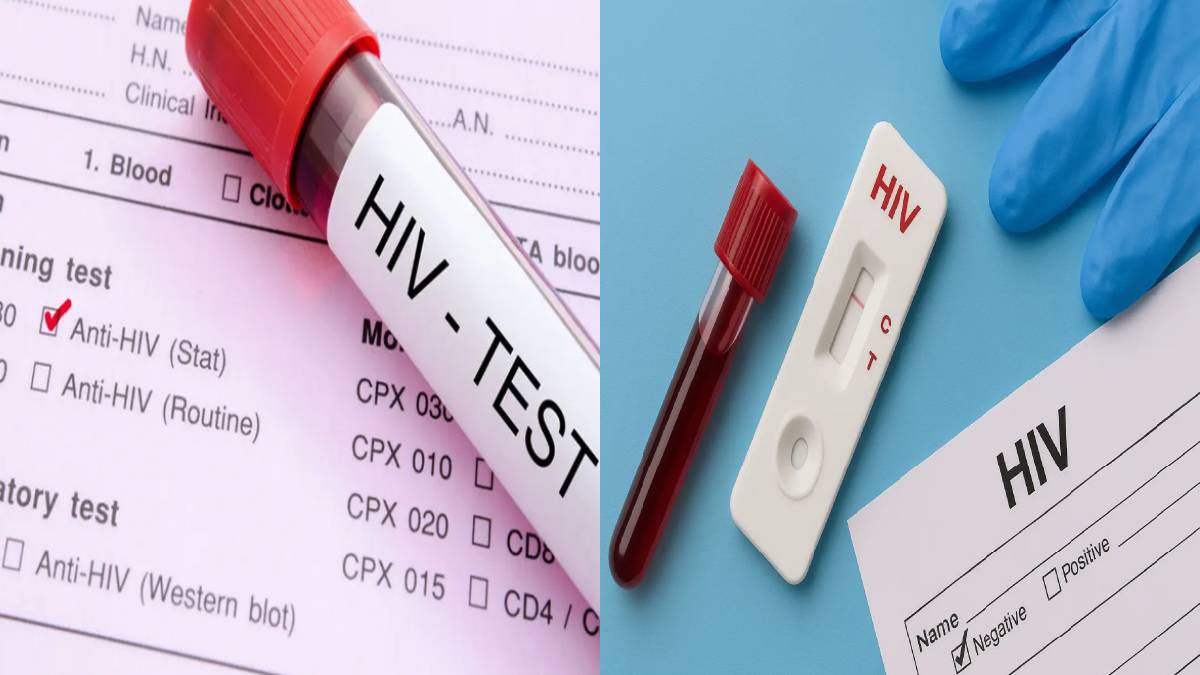
The decision is part of the state’s overall effort to enhance healthcare for students and to make educational institutions more than just hubs but also educational venues where health awareness and disease prevention are put on the agenda.
Early Detection and Awareness.
Health professionals have said that early HIV diagnosis is very important in the treatment and prevention of the virus spreading. By expanding HIV testing and counselling services to colleges, the Karnataka government hopes to reach a large part of the youth population, many of whom may have limited access to regular health screening.
In addition to HIV testing and counselling, the programme will also involve professional counselling to educate students about HIV transmission and prevention strategies, safe health practices and the elimination of the myths associated with the disease.
But they think increasing awareness in college will foster a better informed and responsible generation and lower discrimination against people living with HIV.
Voluntary and Confidential Services
The initiative is expected to adhere to the well-established public health principles of voluntary participation, informed consent, confidentiality and pre- and post-test counselling. Health authorities may work with educational institutions and district health departments to organize testing camps and awareness programmes.
Confidential counselling is a critical component of HIV testing as students can identify what to test for, interpret the results and receive necessary advice on prevention measures or treatment.
Authorities will have to ensure that students who test positive are connected with government healthcare facilities for confirmatory testing, treatment and long-term support.
Strengthening Public Health Infrastructure
Karnataka has been among the states that have been implementing programmes under the National AIDS Control Programme (NACP), which covers HIV prevention, awareness, testing and treatment. The expansion of HIV testing services into colleges is in line with national moves to reduce new HIV infections and improve access to healthcare.
The initiative may involve collaboration between the Higher Education Department, the Health and Family Welfare Department, medical colleges, district hospitals and counselling centres to ensure smooth implementation.
In addition to HIV screening, colleges may run seminars, workshops, and interactive sessions with healthcare professionals to inform students of sexual health, responsible behaviour, and available healthcare services.
Reducing Stigma Through Education
One of the major objectives of the programme is to prevent the stigma that discourages people from getting tested. Misinformation and fear are still common barriers to HIV testing in many communities.
With counselling and awareness programmes in schools, the government wants to normalize conversations around HIV, encourage students to seek medical advice without hesitation, and to have a more supportive campus atmosphere.
Student involvement in awareness campaigns can also contribute to wider community outreach and help in disseminating scientifically accurate information beyond college campuses.
A Preventive Healthcare Approach
Public health experts have welcomed such a focus on preventive care as educational institutions are great settings to raise young adults' health awareness. Colleges can contribute to healthy living and informed decision-making along with basic academic activities.
In the best-case scenario, the statewide HIV testing and counselling initiative could strengthen Karnataka’s public health infrastructure, improve early detection rates, and contribute to the overall reduction of HIV transmission and better access to healthcare among students.
The programme reflects the government’s growing interest in linking health services with educational institutions, as well as awareness, prevention, and timely medical intervention are the most effective tools in the fight to prevent HIV/AIDS.