The most shocking dowry-related violence has emerged from Karnataka's Dharwad, when a 26-year-old nurse is alleged to have been strangled to death by her husband after months of harassment, abuse and repeated demands for dowry. Priyanka Kamalakar is also alleged to have been body-shamed and taunted over her inability to conceive before she was allegedly murdered in her matrimonial home.
The incident has once again brought attention to the continuing menace of dowry-related crimes in India, despite the practice being outlawed more than six decades ago under the Dowry Prohibition Act, 1961. Four people have been arrested in the case and an investigation into dowry harassment and domestic abuse has begun.
According to police, Priyanka married Basavaraj Waddar in 2024. While that marriage appeared to be normal at first, investigators say she was soon subjected to repeated harassment by her husband and his family over demands for more dowry. Police say that she was repeatedly pressured to bring more gold ornaments and cash from her parents’ home.
Family members have also said Priyanka was emotionally abused during her marriage. Besides dowry demands, she was often ridiculed for her weight and humiliated for not having a child after marriage, they said. The mystery now is whether harassment and humiliation resulted in her murder.
The alleged murder took place on the night of June 29 when Basavaraj Waddar is accused of strangling his wife to death. The incident came to light only two days later, which led to the launch of an investigation, the police said.
A case has been registered at Navalgund Police Station in Dharwad district. Besides Basavaraj Waddar, three other family members—Renavva, Subhash and Siddaramesh—have been arrested in connection with the case. The investigators are looking into the role of each accused and whether they participated in or abetted the alleged harassment and murder.
Police have said dowry harassment is one of the primary angles being investigated. They are recording statements from the victim's family members, neighbours and other witnesses as well as gathering evidence to establish the sequence of events leading to Priyanka's death.
The incident has once again highlighted the grim reality of dowry-related violence in India. Given that the Dowry Prohibition Act, 1961, which was passed on 1 July 1961, made giving, taking and demanding dowry a punishable offence, such crimes are still reported in India, and by a large number of people now it is the law that is not applied in India. Violations of the Act can result in fines and other legal penalties.
Dowry harassment is a widespread social problem despite such legal protections. According to official crime statistics, thousands of women are subjected to domestic violence, cruelty and even death over dowry disputes each year. And experts have repeatedly pointed out that social pressures, financial pressures, and patriarchal attitudes still keep the crimes going—especially in matrimonial households.
The Dharwad case is close to another dowry death reported from Gwalior, Madhya Pradesh, where a 26-year-old woman died after years of harassment over dowry demands. In that case too, police have filed a dowry death case against the victim’s husband and his family members.
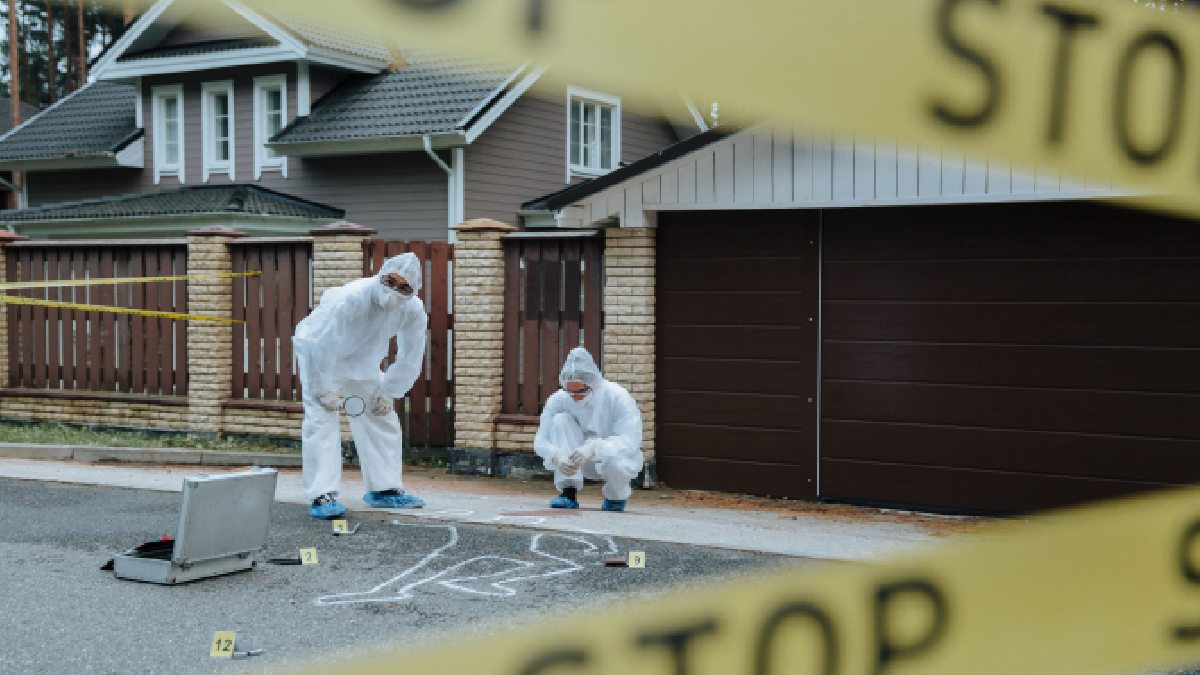
Following the Dharwad case’s investigation, police are expected to investigate forensic evidence and the call records and witness testimony to find out the truth of Priyanka Kamalakar’s death. All aspects of the case, from the long period of abuse to dowry harassment and domestic violence, are to be thoroughly investigated.
Such a young nurse’s tragic death has reignited the debate on dowry-related violence in India again. While there are laws in place to protect women from this violence, it is necessary for much more robust enforcement and social awareness to prevent harassment from becoming fatal violence.