Kerala is on high alert as torrential rains continue to hammer huge parts of the state, with widespread flooding, landslides and waterlogging threats at play, and the state government is already preparing for disaster relief.
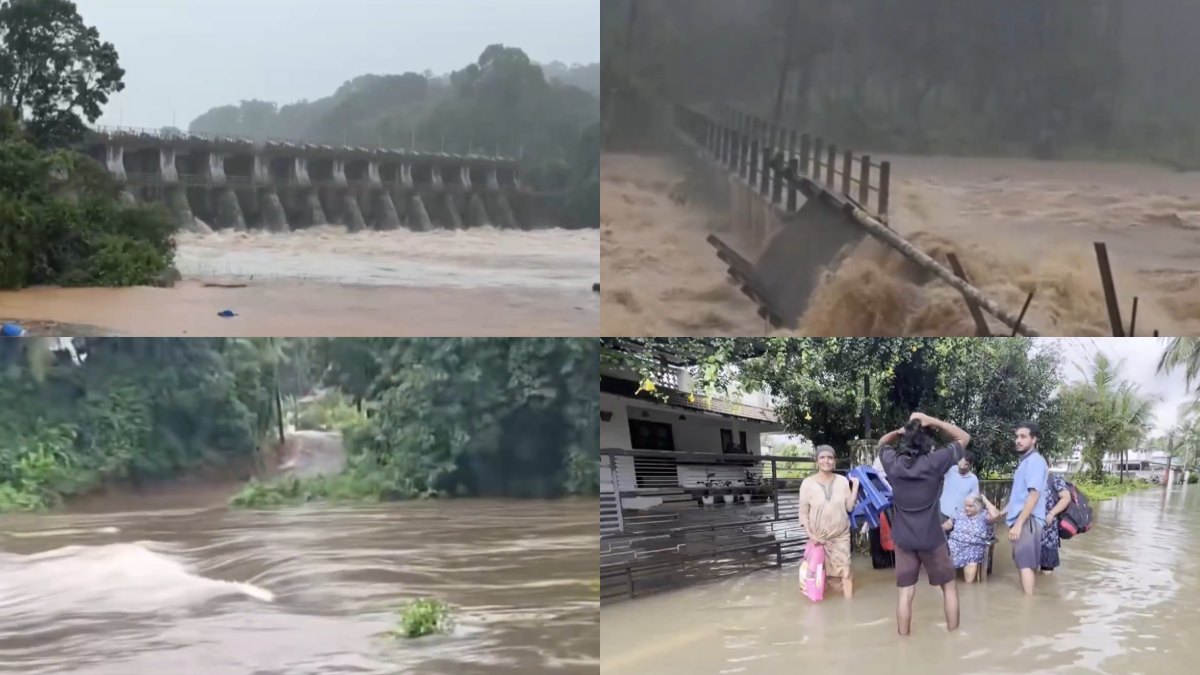
The monsoon showers have already claimed at least nine lives and disrupted people’s lives, and in some districts schools have been shut down. Rescue teams, disaster responders, and local administration in the disaster-hit districts in the more dangerous parts of Kerala are on high alert, and emergency services are being deployed to prepare for more heavy rains in the future.
The torrential rain has flooded rivers, streams and reservoirs to overflowing, raising fears of flash flooding in low-lying areas. Roads were inundated, buildings sunk, houses were submerged, trees were uprooted, and transportation services were disrupted.
The death toll is now 9 in Kerala, as rains are also being blamed for the toll of rain-related deaths. Mudslides, collapsing structures, drowning incidents, and falling trees are among the casualties. Rescue workers are searching for survivors, and rescue workers are working round the clock to reach affected areas, while emergency shelters are being created for families displaced by flooding and landslides.
The India Meteorological Department (IMD) has warned several districts of torrential rains and has advised the citizens of Kerala not to travel. Heavy rainfall in the Arabian Sea and favourable atmospheric conditions are also driving monsoon conditions along Kerala’s coastline, which are causing heavy rainfall and flooding in Kerala’s cities and rural areas.

As the weather got worse, district administrators have closed schools, colleges and other institutions in various areas. The reason is to protect students and staff when roads become dangerous, and weather conditions start getting erratic. Parents will be notified as soon as possible of reopening schedules and safety precautions.
Rescue and relief efforts are being intensified in the worst affected areas by the National Disaster Response Force (NDRF), state disaster management teams, fire and rescue services and local volunteers. Boats and specialised rescue equipment have been used to evacuate stranded residents from flooded neighbourhoods. Emergency teams are also carrying out door-to-door inspections in vulnerable areas to search for people who need urgent assistance, particularly elderly residents, children, and individuals with disabilities.
Transportation services are severely affected due to the bad weather. Waterlogged roads are still in place, and landslides have closed off some of the hilly areas. Rail and bus services are also delayed, and drivers have been advised to be careful on the road. Fishermen are advised not to go into the sea because of the bad weather and strong winds along the Kerala coast.
Government officials have rallied citizens to be prepared, not to panic but to stay alert. Emergency provisions should be prepared, communication devices should be charged, residents should not cross flooded roads, and stay informed through official weather bulletins. Disaster management agencies are constantly monitoring the situation and working with local governments to respond quickly to any emergencies.
The recent heavy rain once again highlights Kerala’s susceptibility to extreme monsoon events. Floods have intensified in the state in recent years, which is why authorities need to improve disaster preparedness and response mechanisms. As rescue operations continue and weather conditions remain challenging, the focus is on safeguarding lives, providing relief to affected communities, and minimizing the impact of the ongoing monsoon crisis.