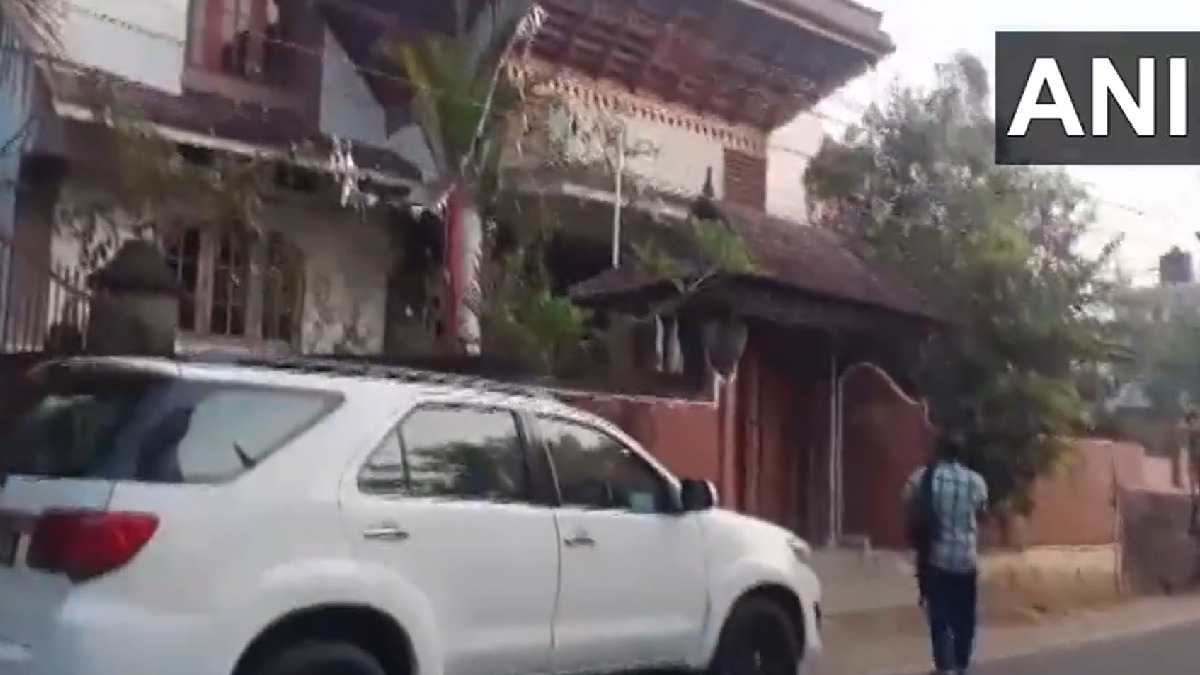
Kerala health officials were on high alert last week after a suspected death of a patient due to West Nile fever, a mosquito-borne viral disease that can cause severe neurological complications in rare cases. This put the state on high alert, and officials have intensified surveillance, mosquito control and public education efforts to prevent the spread of the infection.
According to health department sources, the suspected fatality is still under investigation and laboratory testing and medical analysis are going on to determine whether the West Nile virus was responsible for the patient’s death. The victim was not identified as a specific victim, but officials have said precautionary measures should be taken during the monsoon season when mosquito breeding is at a high level.
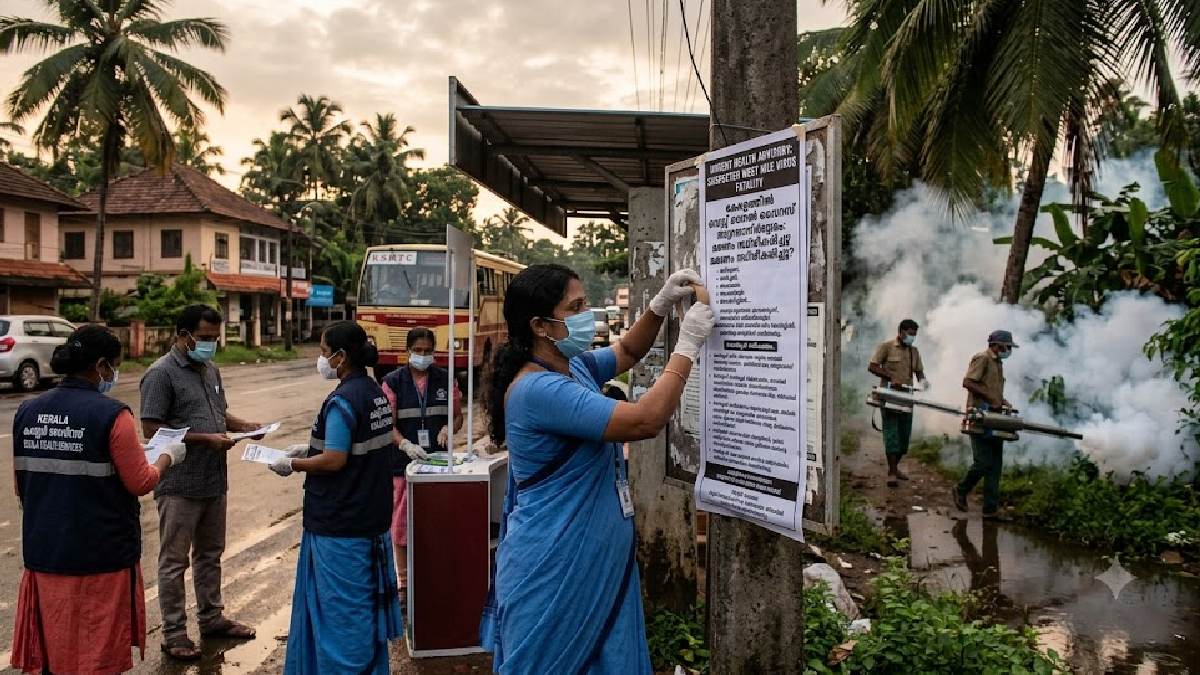
Because of the situation, district managers and local health officials have directed vector control efforts in areas that are at risk to be intensified. Public health teams have started to perform home inspections in residential neighbourhoods, construction sites, public places and waterlogged areas where mosquitoes are likely to breed. It has also instructed healthcare facilities to keep an eye out for suspected cases that could be related to West Nile fever and other mosquito-borne diseases and immediately report suspected cases.
West Nile fever is caused by the West Nile virus, which is mainly spread through mosquito bites. Birds are the main hosts of the virus, and mosquitoes become carriers after biting infected birds. Humans and animals can then catch the virus from mosquito bites. Unlike some other infectious diseases, the virus is not usually spread through casual human-to-human contact.
Medical professionals note that most people infected with the virus experience mild symptoms or no symptoms at all. Some may also show fever, headaches, body aches, fatigue, skin rashes, and swollen lymph nodes. In severe cases, especially in elderly individuals and those with weak immune systems, the infection can affect the brain and nervous system, and can result in encephalitis, meningitis, paralysis or even death.

Residents should take preventive measures seriously, health officials said. Residents are advised to remove stagnant water from their homes, clean water storage containers regularly, keep drainage channels open and not allow water to build up in discarded tyres, pots and other containers. Mosquitoes should be repelled with mosquito repellents, window screens and long-sleeved clothing, and people should sleep with mosquito nets if possible.
As part of these response efforts, fogging operations and larvicide interventions are being carried out in high-risk areas to prevent mosquito breeding and to see early symptoms of infection. Awareness campaigns are being conducted by community groups, schools and local self-government agencies to educate people about mosquito breeding and early identification of infection.
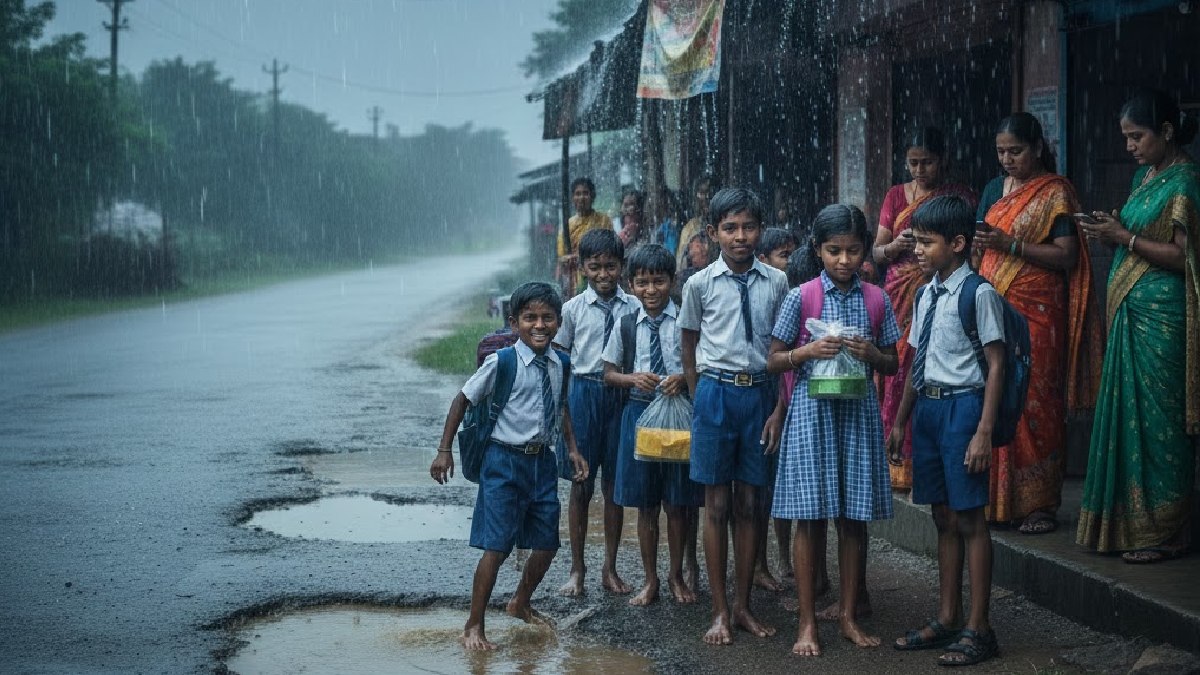
The alert comes at a time when Kerala is experiencing seasonal rainfall, and mosquito breeding is expected to take place. Community participation will be crucial to control mosquito populations and prevent outbreaks of vector-borne disease - public health experts say.
Even though authorities have reassured the public that there is no cause for panic, they have stressed the need for vigilance and cooperation. The health department is monitoring the situation closely and has said that all measures are in place to protect public health and prevent other cases of infection.