Heavy rains continue to batter Kerala, and authorities intensified the monitoring and disaster-management measures, particularly in the southern district of Pathanamthitta, where water levels could be affected by heavy rain. According to India Meteorological Department data released on Monday, three weather stations in Kerala recorded more than 100 mm of rainfall. The torrential rainfall has raised fears of high river levels, waterlogging and the possibility of flooding in vulnerable areas.
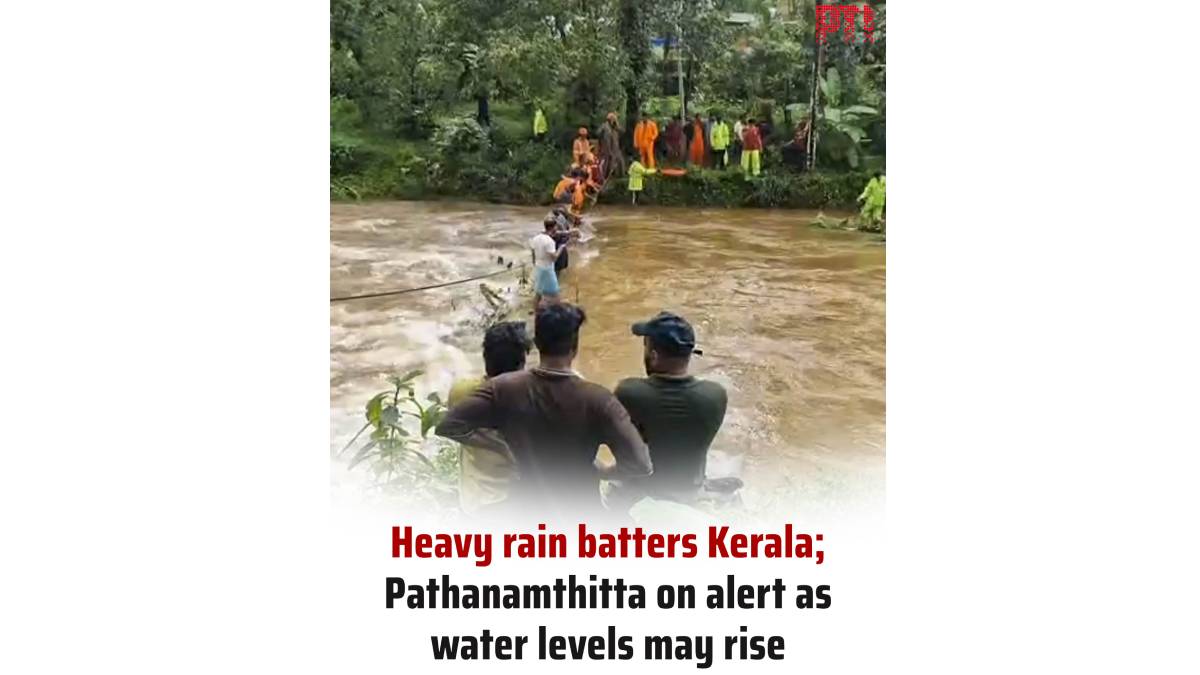
The situation in Pathanamthitta is of particular interest because of heavy rainfall in the Sabarimala area. Kerala Tourism Minister P. C. Vishnunadh said the extreme rain had created a worrying situation in the district and water levels could rise further in Ranni and surrounding areas.
The minister is camping in Pathanamthitta and is in charge of disaster-management and relief work, his office said. Rainfall levels in reservoirs and rivers are monitored as heavy showers are occurring across parts of the state.
Vishnunadh was also reviewing Kozhencherry issues with Aranmula MLA Abin Varkey, government officials and elected representatives. The review was on the issue of the impact of rising water levels on local authorities and how they could respond if the situation worsened.
At the same time, officials opened one shutter of the Moozhiyar reservoir by 15 centimetres after the water levels in the reservoir reached the red-alert stage. The controlled release was done as part of reservoir management measures in the face of heavy inflows caused by persistent rainfall.
The opening of a reservoir shutter has increased the need for caution in downstream areas. Residents living near rivers, streams and low-lying locations have been advised to stay alert and follow instructions given by district authorities and disaster-management agencies.
The heavy rainfall has already affected multiple parts of Kerala, with several districts reporting intense spells. Pathanamthitta is particularly vulnerable during periods of intense rainfall because of its river systems, hilly terrain and proximity to major catchment areas. Heavy rains in the Sabarimala area can lead to a rapid increase in water levels in rivers and streams flowing through Ranni, Kozhencherry, Aranmula and other areas.
The Pampa River and other water bodies in the district are being closely monitored, and any additional rainfall or inflows will be taken into account.
Kerala government disaster-management machinery has been put on high alert with officials reviewing local preparedness and communicating with elected representatives. Emergency response teams will be ready to respond to flooding, landslides or other rain-related emergencies when local people are in need of help, said a state government official.
The latest rainfall is a part of a long-running period of bad weather in Kerala. In the past few weeks, the IMD has issued weather alerts in several districts and warned of heavy rainfall and strong winds in isolated areas. Fishermen and coastal residents should also be warned to follow official warnings as rough sea conditions might pose additional risks.
Residents living in vulnerable areas should avoid unnecessary travel, stay away from swollen rivers and waterlogged locations, and stay updated on government announcements. People living downstream of reservoirs should be warned so that they do not get affected by water releases.
Authorities have also urged people to avoid riverbanks, bridges and other places where rapidly rising water could create dangerous conditions. Drivers must be alert to avoid road repairs that are flooded and waterlogged in the heavy rain and poor visibility.
The situation in Pathanamthitta will be under close watch, and with the rainfall continuing, the situation is expected to remain under close monitoring. The next few hours will be crucial in determining whether water levels will stabilize or rise further.
For now, disaster-management teams and district authorities are still monitoring the situation with rainfall and reservoirs. Further releases, public warnings, or emergency measures will depend on rainfall intensity and inflow into rivers and reservoirs.