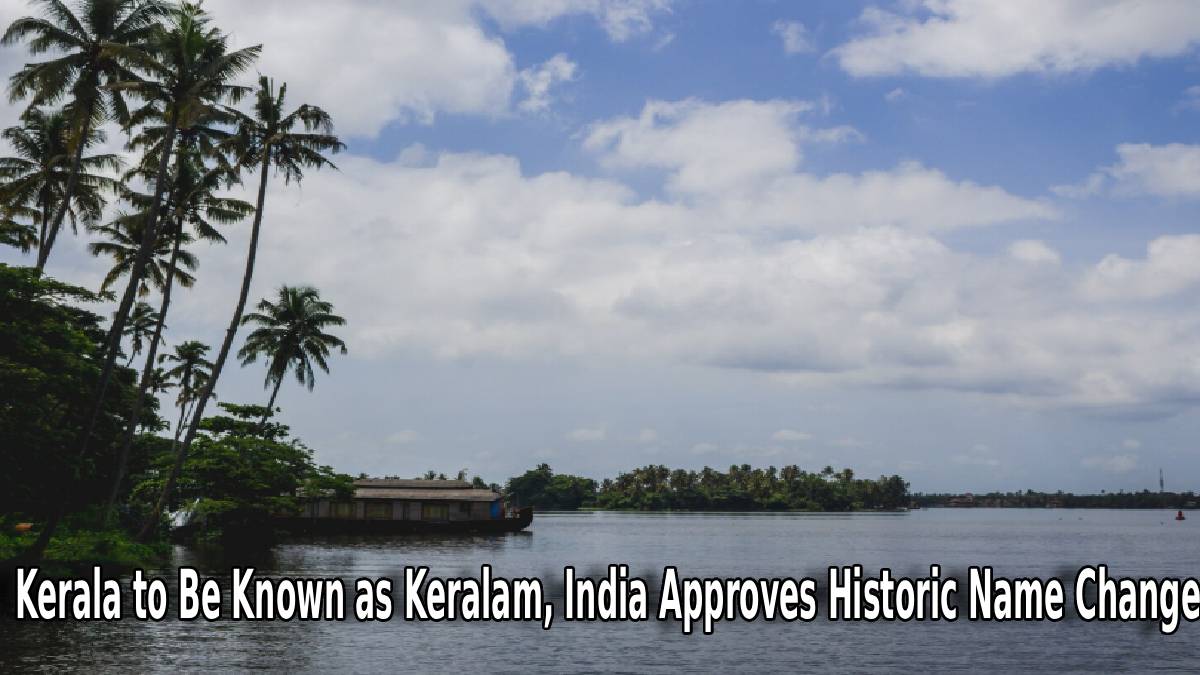
Kerala has long been considered to be one of India’s best socially developed states and far outstrip much of the population in literacy, health care, life expectancy and human development. And now Kerala is at the center of another major change– a rapidly aging population.
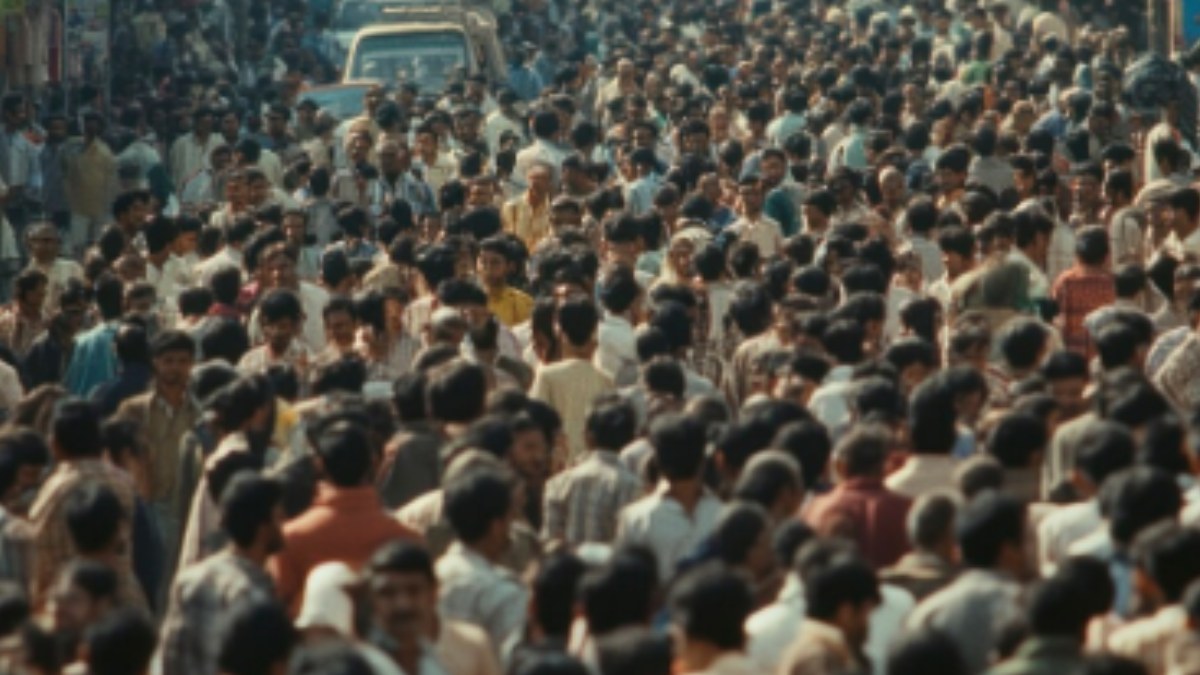
The population picture in Kerala is increasingly comparable to that in Japan, one of the oldest countries in the world. And while birth rates in Kerala and Japan have been falling and life expectancy is increasing, with the population changing and changing by economic circumstances, migration patterns and social support systems, Kerala’s demographic evolution is something different from Japan’s demographic change.
The fertility rate in Kerala has been below replacement levels for some years and fewer children are being born than those in the past. But healthcare has improved and people are living longer. The elderly population in Kerala is also increasing and as a result it is one of the oldest states in India in demographic terms.
Japan had the same demographic transformation over the decades, but it entered the ageing phase as one of the world's wealthiest economies. Japan, with strong industrial growth, high productivity and large social security programmes, created a wealth of healthcare systems, pension systems and elderly care services before its population aged significantly. Kerala is however a developing state with an aging population and financial and institutional constraints which the financial system can’t cope with.
Kerala’s demographic makeup is very distinctive in one way: large-scale migration. For decades, millions of Keralites have moved to the Gulf countries and other parts of India to find jobs.

And although remittances have helped to raise household incomes and support the state’s economy, migration has also created a social situation where many elderly parents live alone or have little family support. With younger family members going for jobs elsewhere, caregiving duties are more difficult for older couples as well.
Healthcare is another area where demographic changes are bringing new pressures. The elderly are more susceptible to chronic diseases such as diabetes, hypertension, heart disease, arthritis, dementia and age-related disabilities and require more frequent medical treatment. Kerala is already one of India’s best public health systems but experts say geriatric health care, home nursing, rehabilitation centres and long-term care facilities will continue to rise significantly over the next few decades.
The state’s economy will also adapt to changing demographic realities. A growing elderly population means a much smaller working age population that is keeping retirement numbers high and many retirees.
This demographic imbalance could alter productivity, economic growth, and public finances. Governments may have to spend more on healthcare, pensions and social welfare and the government will have to reduce tax revenues if workforce participation falls.
Kerala’s labour shortages have already begun to change Kerala’s economy. In order to meet the workforce requirements in construction, agriculture, hospitality, logistics and manufacturing, construction and supply chains in the state are now dependent on migrant workers in other states in India. And this trend is likely to persist as the working age population of the state is gradually decreasing. Policymakers may have to do more to increase the number of women who are in the labour force and to assist them in training and education.
Technology is going to play a key role in addressing the challenges of population ageing. Telemedicine, artificial intelligence-assisted healthcare, wearable health-monitoring devices, electronic medical records and digital caregiving platforms can improve healthcare for senior citizens, particularly in remote and rural areas. Kerala’s high digital literacy level as a whole will provide a good foundation to adopt such innovations but affordability and accessibility are key.
Social support systems will be of equal importance as well. Healthy ageing is not just medical care, experts say. A more age-friendly environment on public transportation, community centres, mental health services, recreational activities, and social inclusion will be the keys to an improved quality of life for old people. Loneliness and social isolation are a growing policy challenge in aging societies worldwide and Kerala is no exception.
Financial security is a much larger concern. Retirement planning is becoming increasingly important as people live longer. Pension schemes, health insurance and other long-term savings programmes for the elderly are more prevalent in policymakers’ efforts to ensure that the elderly remain financially independent. And at the same time, public awareness campaigns to promote healthy lifestyles, preventive healthcare and regular medical examinations are going to help to lower the burden of age-related diseases.
Kerala is not Japan in many ways, but still has to work to provide jobs to people, to develop infrastructure and have economic growth. The state’s policy problems are now considerably more difficult. However, Kerala’s story can teach us a lot to share with the rest of India in a population age where many states are going to undergo demographic change in the next decades.
Kerala has the potential to turn an aging society into a place of innovation and inclusive development with the right preparation and investment in healthcare, technology, social welfare and economic reforms, the experts believe. The demographic journey of the state shows us that increasing life expectancy is a remarkable achievement but to make certain that these extra years are healthy, financially stable and socially fulfilling will be the true measure of success.