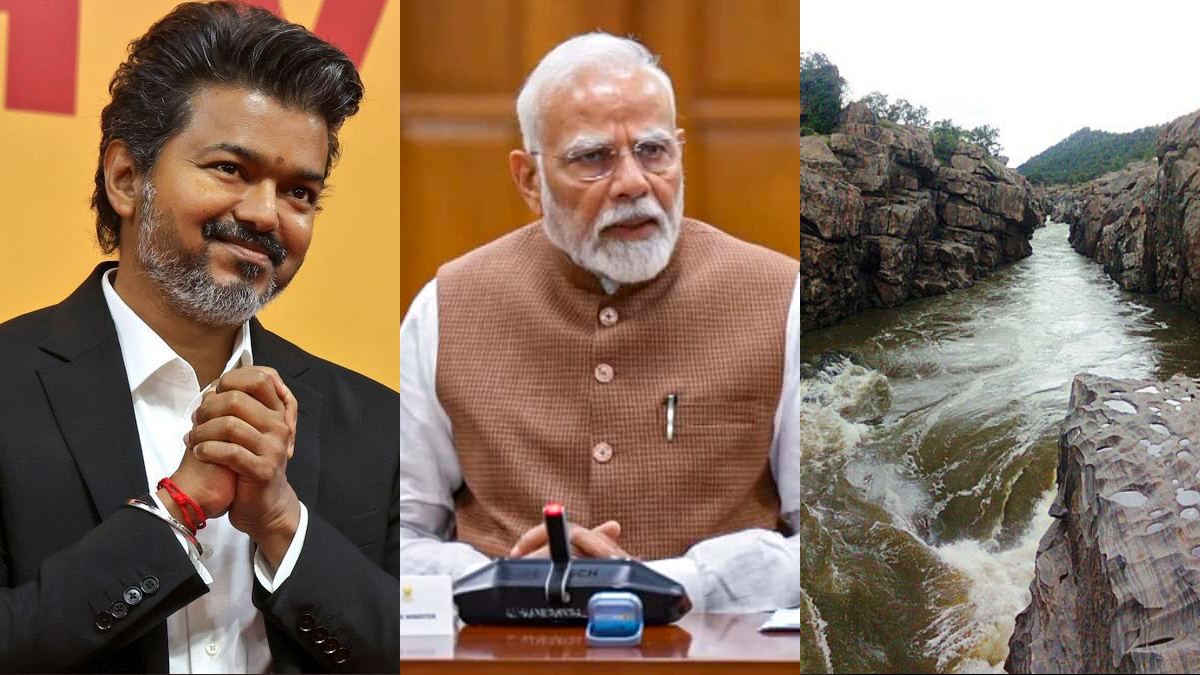
The “Ganga of the South” is showing signs of extreme distress. The Cauvery River’s water levels fall to near-critical lows as of March 4, 2026, and the river originates from the lush hills of Kodagu. Waning waters at the river’s source have rippled across Karnataka, jeopardizing drinking water security for millions from the Western Ghats to the busy roads of Bengaluru.
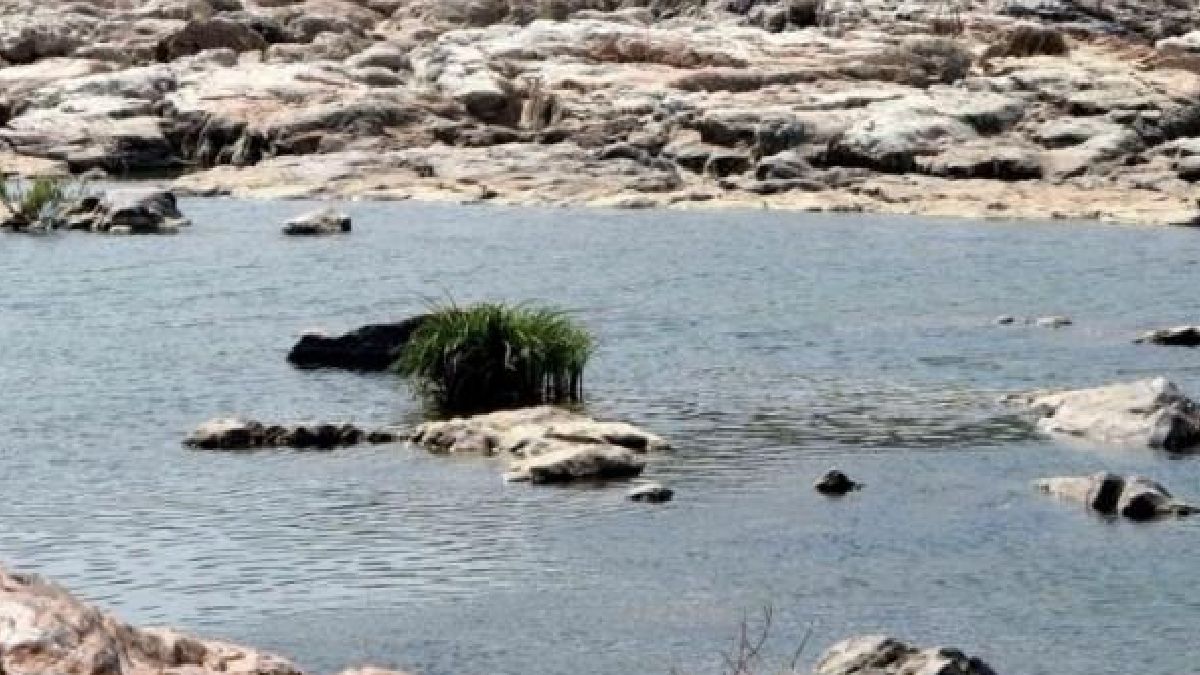
A River Dwindling to a Trickle
That is particularly acute in Talakaveri and Bhagamandala. Huge expanse of the river plain, which at this time of year gets swamped, are now stripped bare, reflecting sunlight-bleached rocks and stagnant pools. The inflow has slowed substantially, according to local authorities, owing to a weak North-East monsoon at the end of 2025 and an unseasonably early heatwave that dominated the district since February.
- Harangi Dam status: The Harangi Reservoir (a vital feeder for the upper Cauvery basin) is only now holding just 3,344 MCft against its maximum capacity of 8,500 MCft.
- Groundwater Depletion: Madikeri regional senior geologists have reported a steep decline in the static water table, with borewells now reaching depths of over 16 meters to hit water an ominous development in a formerly deemed a “water sponge” area.
Effects on Drinking Water and Livelihoods
The crisis is no longer merely an environmental problem, but a domestic emergency. Many of the key towns in Kodagu like Madikeri, Kushalnagar and Virajpet are already experiencing scheduled water cuts.
- Urban Scarcity: Madikeri residents say their public taps which run on a daily basis are limited now to twice-weekly supply.
- Agriculture in Doubtful Hardship: Coffee planters, who depended on “blossom showers” and irrigation with rivers, are facing huge losses. With no water for sprinkler systems, the 2026 coffee crop is expected to fall by as much as 20-30%.
- Wildlife and Tourism: Shallow river levels at the Dubare Elephant Camp force authorities to suspend river rafting and water-based activity affecting the local tourism economy, causing wildlife to struggle to find hydration.
The Downstream Domino Effect
The depletion at the source in Kodagu affects the Krishna Raja Sagara (KRS) Dam in Mandya itself. Although KRS remains at 113.78 feet, with a maximum of 124.8 ft, the absence of replenishment from the Kodagu hills is causing the "buffer" for major summer months of April and May to dissipate quickly.
Monitoring is hourly for Bengaluru, which has an MLD of roughly 1,450 million liters per day from the Cauvery. While the new Cauvery Phase V was recently commissioned that has increased the distribution of the river, source sustainability is now the core impediment.
Looking Ahead
The problem of the river’s deteriorating condition, environmentalists blame rapid urbanization and forest loss in Kodagu. "The Cauvery is being used like a pipe, not a kind of ecosystem,” says a local activist. “If the Kodagu land catchment area cannot be secured from land conversion, the river will become seasonal."
With the pre-monsoon forecasted to be delayed by the India Meteorological Department (IMD), the district administration has issued a highly stringent advisory against the use of river water for non-essential activities such as washing cars and for gardening operations.