A leopard that had been terrorizing residents in Kollam, Kerala, by killing domestic animals has been captured in a cage trap and the people living there are at least temporarily relieved.
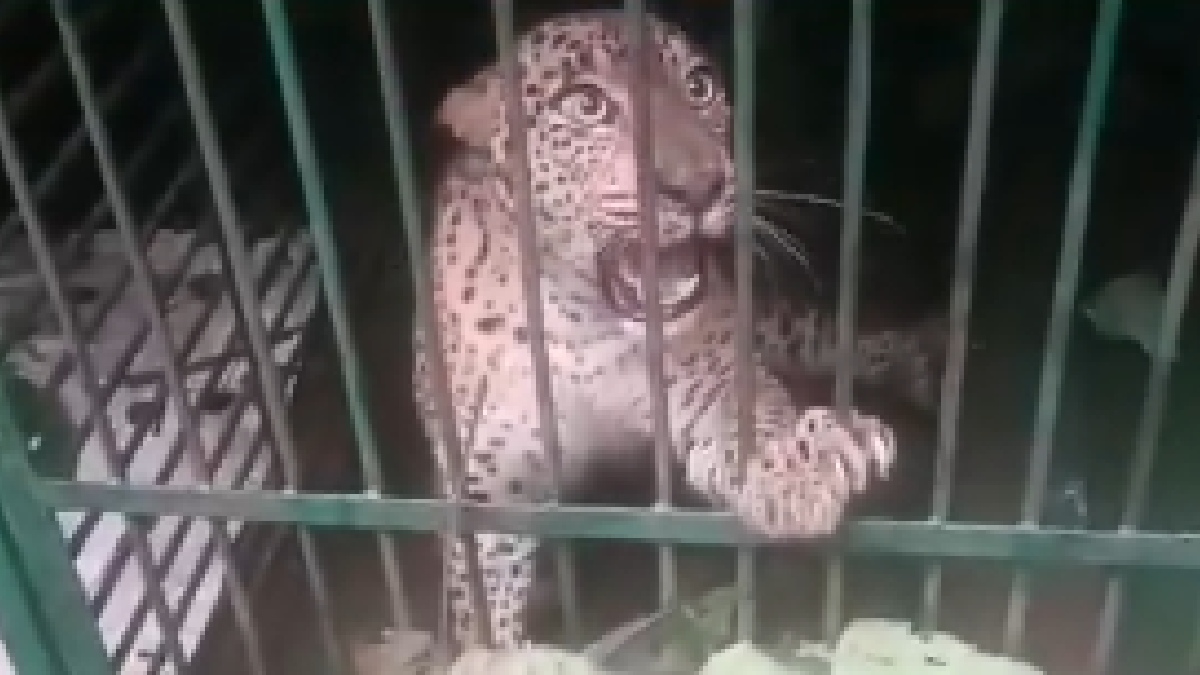
The animal was caught after forest officials put a cage trap on it based on repeated reports of livestock and other domestic animals being attacked. Residents were afraid of the leopard, especially in the forested and semi-rural areas where human settlements and wildlife habitats overlap.
Leopards move through large areas for food and, if natural prey is scarce, settlements are close to their habitat. In Kerala, such human-wildlife interactions have become a recurring concern in a number of districts.
The leopard was believed to have been killing domestic animals in the area and forest officials succeeded in capturing it, I am told by sources.
The capture was done to prevent further livestock attacks and to avoid the leopard ever coming into contact with humans.
The successful trapping should relieve the concerns of residents of the area about their animals and families. But wildlife officials and wildlife experts generally stress that after a leopard has been trapped humans need to be cautious since other wild animals might still be moving around nearby habitat.
The incident also illustrates how hard it can be for communities living close to wildlife areas. As we build up settlements and more and more natural habitats are fragmented, animals such as leopards can sometimes enter human-dominated areas and eat their way out from between patches of habitat.
Kerala has witnessed several incidents involving leopards in recent years. Forest staff have used cage traps and rescue teams when it is believed that a particular animal can pose a threat to people or livestock.
Wildlife officials have to gauge a captured animal’s condition and behaviour before deciding what action should be taken.
കൊല്ലം പിറവന്തൂരിൽ വളർത്തുമൃഗങ്ങളെ ആക്രമിച്ച പുലി കെണിയിൽ | Piravanthur | Kollam | Tiger#Piravanthur #Kollam #Tiger #TigerTrap #Wildlife #ForestDepartment #Kerala pic.twitter.com/PyTZ9QUeKS
— DD News Malayalam (@DDNewsMalayalam) August 8, 2026
The capture in Kollam once more underlines the necessity of balancing human safety and wildlife conservation. Leopards are protected wild animals, and it does not automatically mean that they attack humans.
When leopard movement is reported, residents should not approach the animal, keep clear of capture sites and inform forest officials of sightings immediately. Keeping domestic animals in secure enclosures especially at night also helps to reduce the risk of encounter.
With the leopard now in the hands of the authorities, they will take a closer look at the animal and decide what would be the right course of action according to wildlife protection rules.
For the residents of the affected Kollam locality, the capture is one step in the right direction to put them back to safety after repeated incidents involving domestic animals.
The episode also serves as a reminder that coexistence between people and wildlife needs to be implemented promptly and in a responsible manner and is a matter of public awareness and local and national government action.