In Kollur, Karnataka, a case of fake websites and digital payments was registered to deceive devotees when they were trying to book rooms at the famous Sri Mookambika Temple.
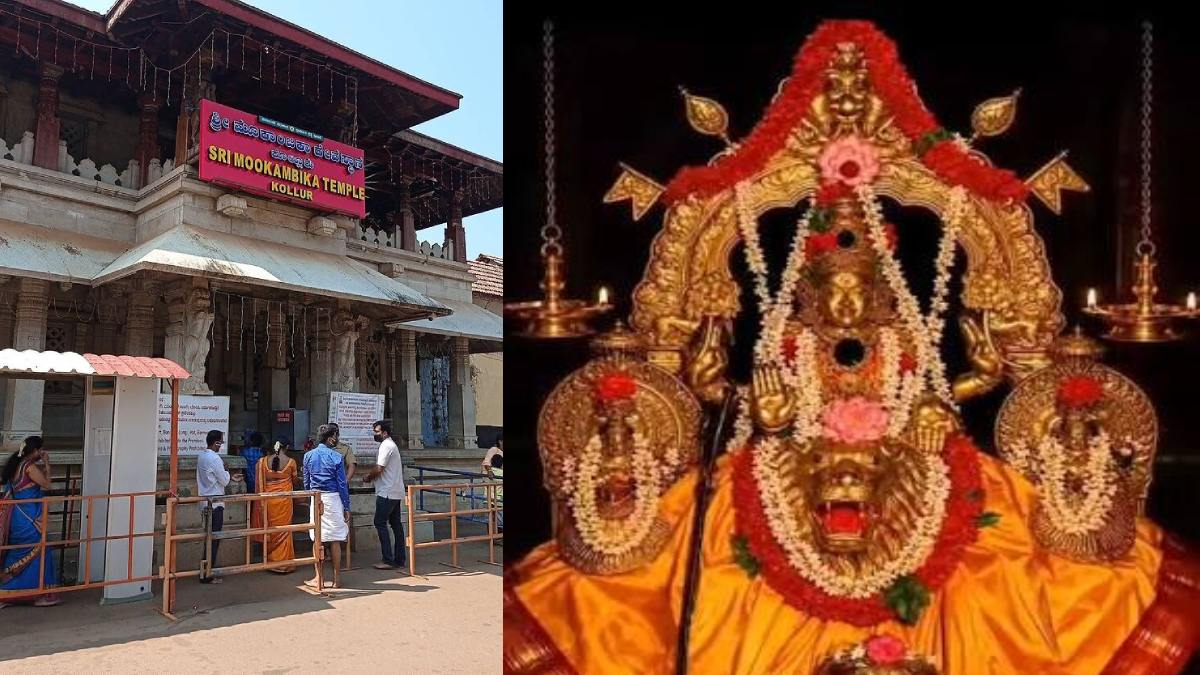
According to the complaint filed by Prashanth Kumar Shetty, Executive Officer of the Kollur Sri Mookambika Temple, an unknown person created an unauthorised website in the name of hotel accommodation and used it to give devotees the impression that they were accessing an official temple-related room booking service.
The alleged fraud involved booking rooms at the Jagadambika Guest House. Devotees looking online for accommodation near the temple could allegedly come across the fake website and believe it was an authorised platform through which rooms at the guest house could be reserved.
Those operating the alleged fake platform contacted customers via WhatsApp after booking inquiries, the complaint said. They provided QR codes and told devotees to make payments digitally for the accommodation. After receiving the money, the accused allegedly sent fake booking receipts to the customers so that they felt that their room reservations had been made.
The scam was unearthed after a person whose booking had been made went to Kollur and showed up at the temple to stay at the hotel. It was only after he arrived at the temple that he found out that the booking and receipt were not genuine. That raised some fears that other devotees might have been targeted as well by the fake website.

This incident shows the danger that pilgrims face when they are looking for accommodation online to prepare for big religious places. Fake sites can be constructed to look like genuine booking portals, and users often have no way to know if the website is affiliated with a temple or government authority.
Digital payment methods can also complicate such fraud cases. Through messaging apps like WhatsApp that can be used to share QR codes, fraudsters can actually make money from victims and keep in contact with them until payment is made. Fake receipts can then be used to convince customers that their reservations are genuine.
The Kollur police have registered a case based on the complaint submitted by the temple's executive officer. The case has been registered under Section 66(C) of the Information Technology Act and Section 318 of the Bharatiya Nyaya Sanhita (BNS), 2023.
Section 66(C) of the Information Technology Act deals with identity theft involving the fraudulent or dishonest use of another person's electronic signature, password, or other unique identification feature. The BNS provision cited in the complaint relates to cheating and dishonest inducement, depending on the specific circumstances of the alleged offence.
The police investigation will follow the real people behind the fake website, tracing the digital and financial trail of the alleged transactions and finding out if any more devotees were misled. Investigators will also look at the website's registration details, payment accounts, QR codes, WhatsApp communication, and other evidence.
The incident serves as an alarm to devotees visiting the Kollur Sri Mookambika Temple to be careful when making accommodation bookings online. Before payment is made to a website, visitors should check if a website is connected to the temple. They should also check if links are sent by WhatsApp or other messaging apps.
Devotees should also avoid paying to unfamiliar personal accounts or QR codes without checking the booking details through an official source. Any suspicious website, payment request, or fake booking receipt should be reported to the concerned authorities at the earliest.
We are still investigating the case, and the identity of the person or persons who allegedly created the fake website is not yet known publicly.