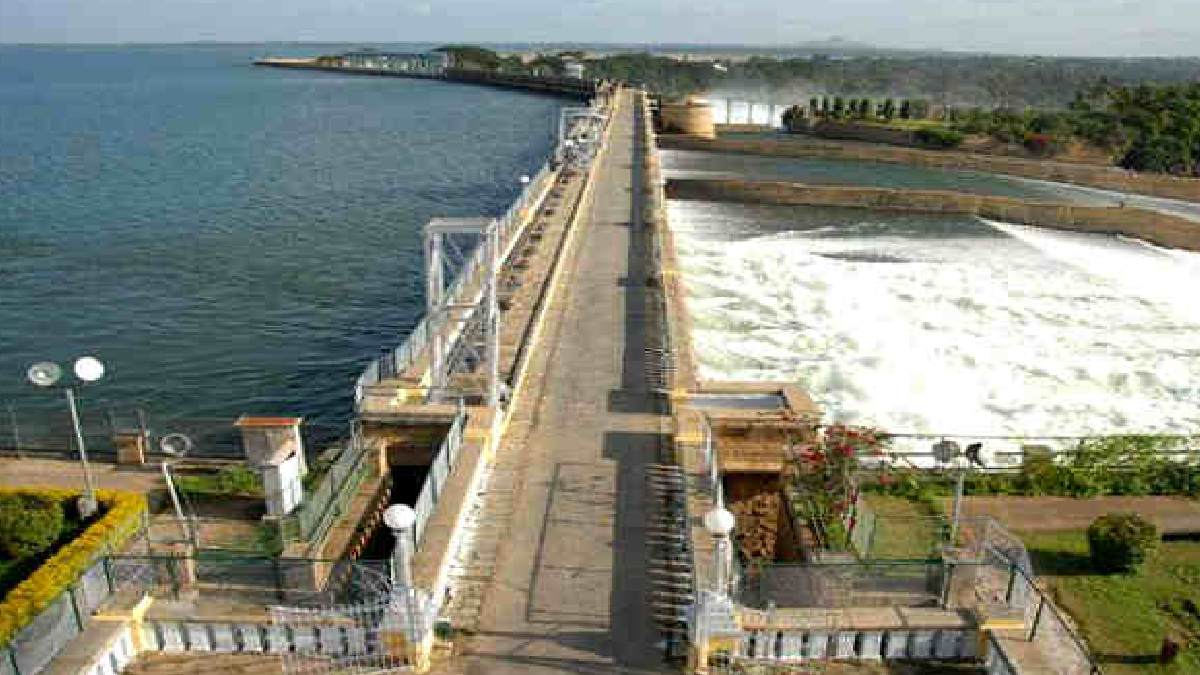
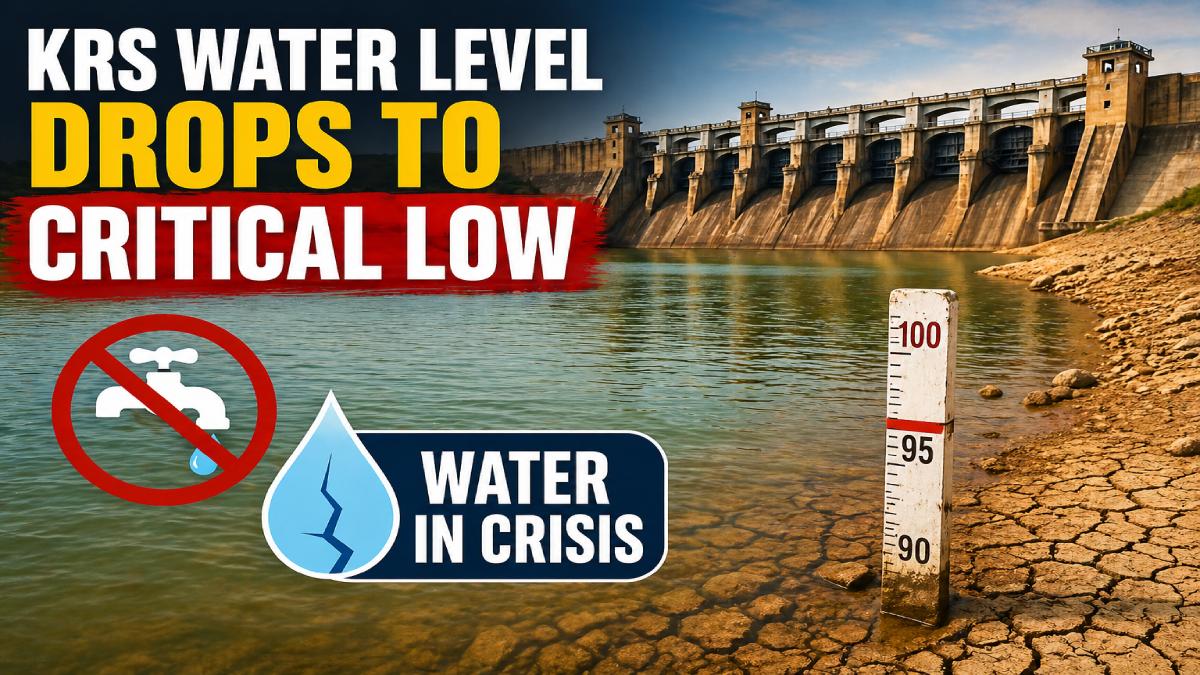
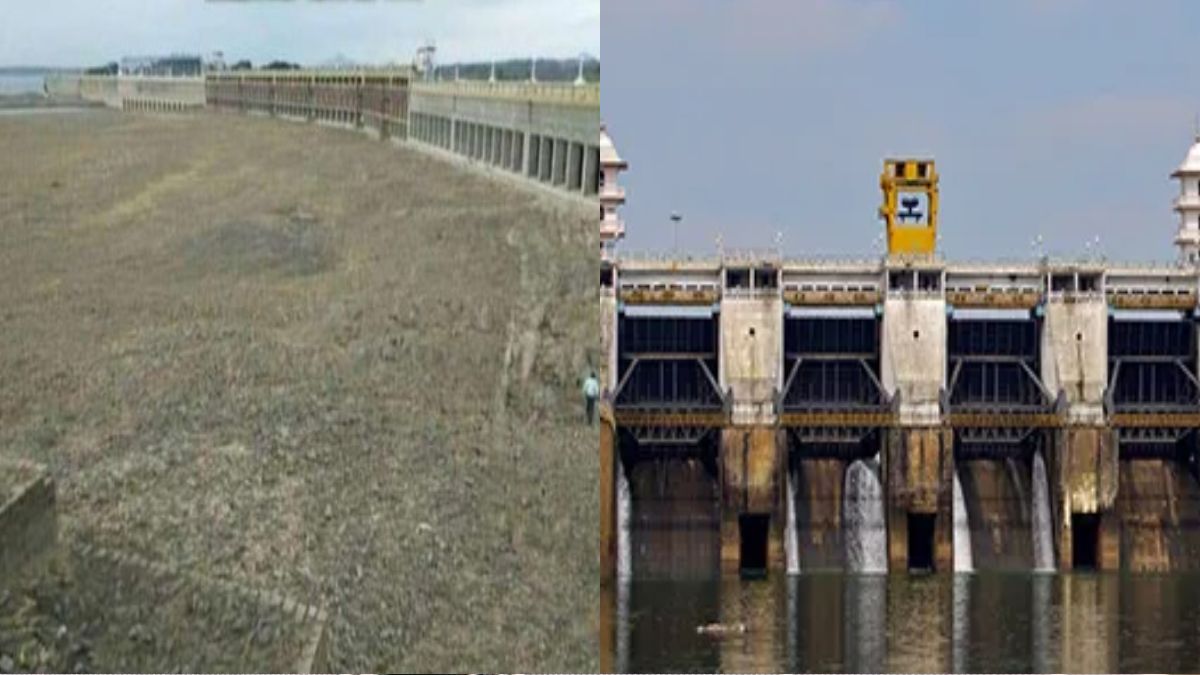
There is a risk of a severe water crisis that could affect some areas and regions in Karnataka, as the status of the water level of the KRS (Krishna Raja Sagara) reservoir has slumped to a terrifying level. At Srirangapatna, the water level has dropped below 100 feet, touching 99 feet and falls below its maximum capacity of 124.80 feet.
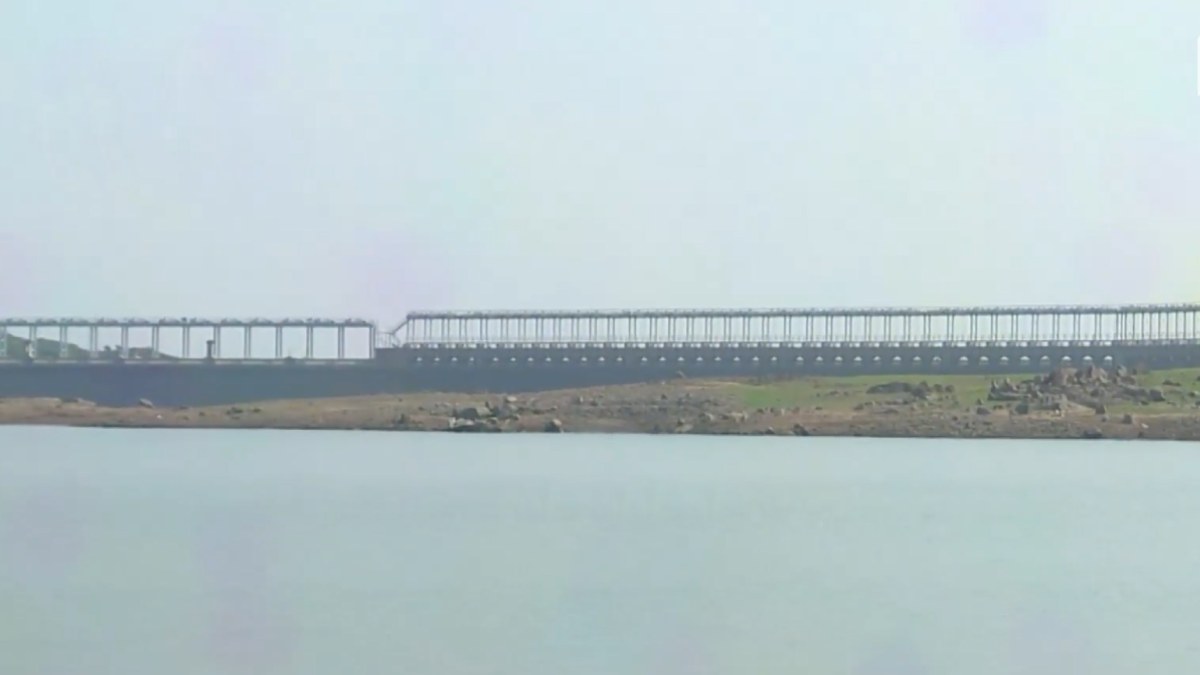
Officials have been worried that without the monsoon, including if rainfall falls short of expectations, a number of these areas that rely on the Cauvery river system would suffer catastrophic water shortages. That’s especially worrying for Bengaluru, which depends heavily on Cauvery water for its everyday needs.
Today, the KRS reservoir contains about 22 TMC (thousand million cubic feet) of water. Approximately 7 TMC is considered dead storage from this, resulting in about 15 TMC to be used. The inflow into the reservoir is just 66 cusecs. Currently, the outflow is at 4388 cusecs, accelerating the water depletion.
Water scarcity is already beginning to be felt in sections of Bengaluru, with falling water levels taking their toll. Apart from the capital, other areas such as Mysuru and Mandya are also facing a possibility of drinking water supply shortage if it continues to deteriorate. Soon, they might have to impose stricter water management measures, saving drinking water from irrigation.
Farmers may also have to allocate less water to crops, and the government would have to make do and save for essential needs. According to water resources department data, statewide, the state’s major reservoirs are already at 36% capability to store water, with total storage of about 321 TMC, down from 330 TMC over the same period last year.
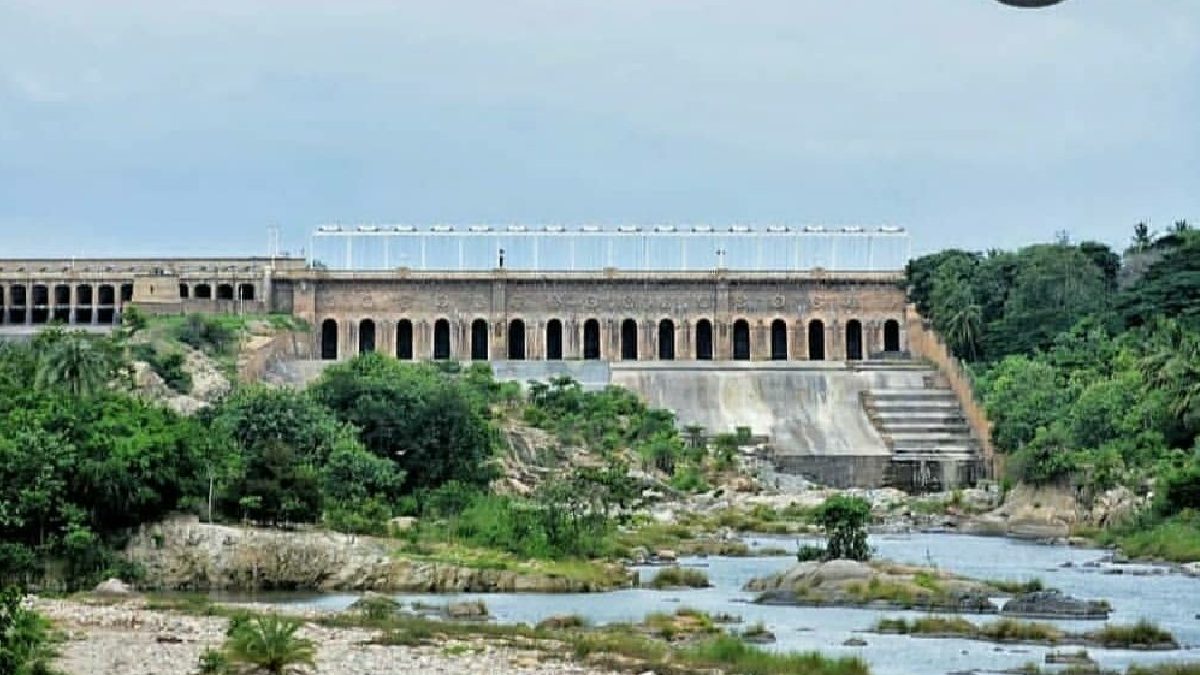
The drop, although small on the surface, becomes particularly important considering low inflows and increasing summer demand. Linganamakki, Supa and Varahi hydropower reservoirs each hold at most about 107 TMC of water, down from 124 TMC in the last year. The capacities of these reservoirs are up to 327.63 TMC, yet they are currently used for approximately 33%.
Likewise, the Cauvery basin’s major reservoirs Harangi, Hemavathi, KRS and Kabini, with a total storage of some 57 TMC, are down on the previous year’s 58 TMC. It makes up only a mere 46% of their total capacity of 114.57 TMC. If anything gets delayed or weak in the early June southwest monsoon, the situation could become an acute water crisis, experts warn.
However, as the volume goes up in urban centres and agricultural inputs rise steadily alongside it, making effective management practice of water is very important for the future. This is the case now and serves as a stark reminder about the dependency of Karnataka on monsoon rains and the need for urgent sustainable water management practices if crises in future are to be averted.