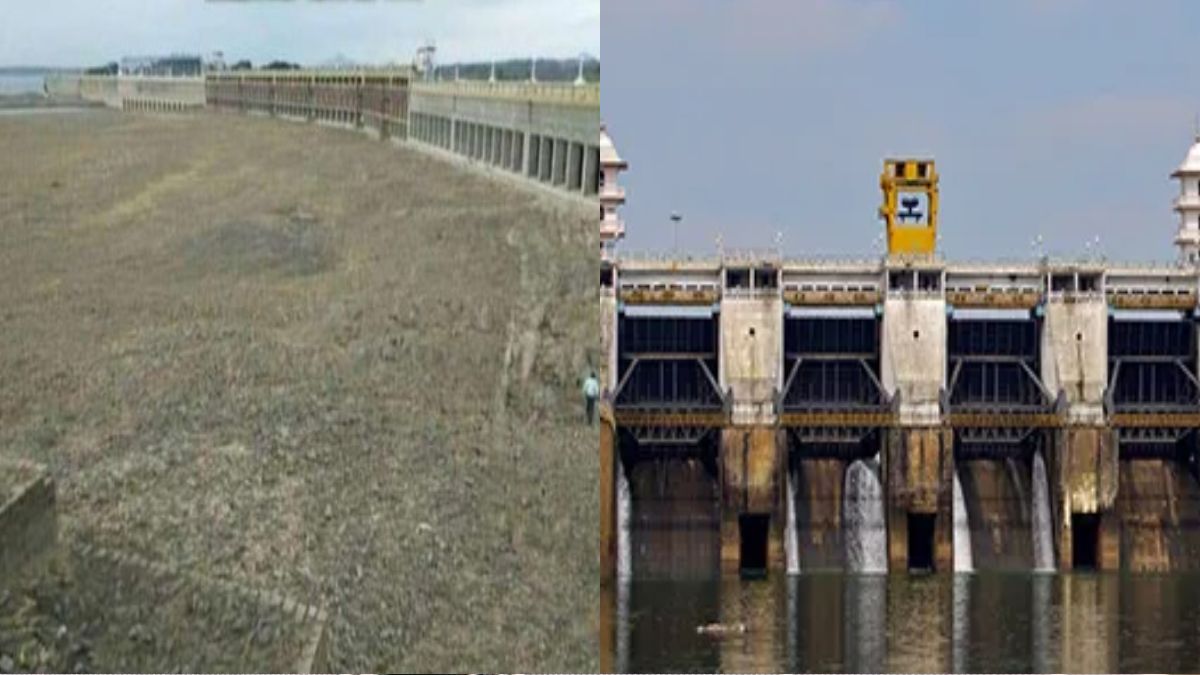
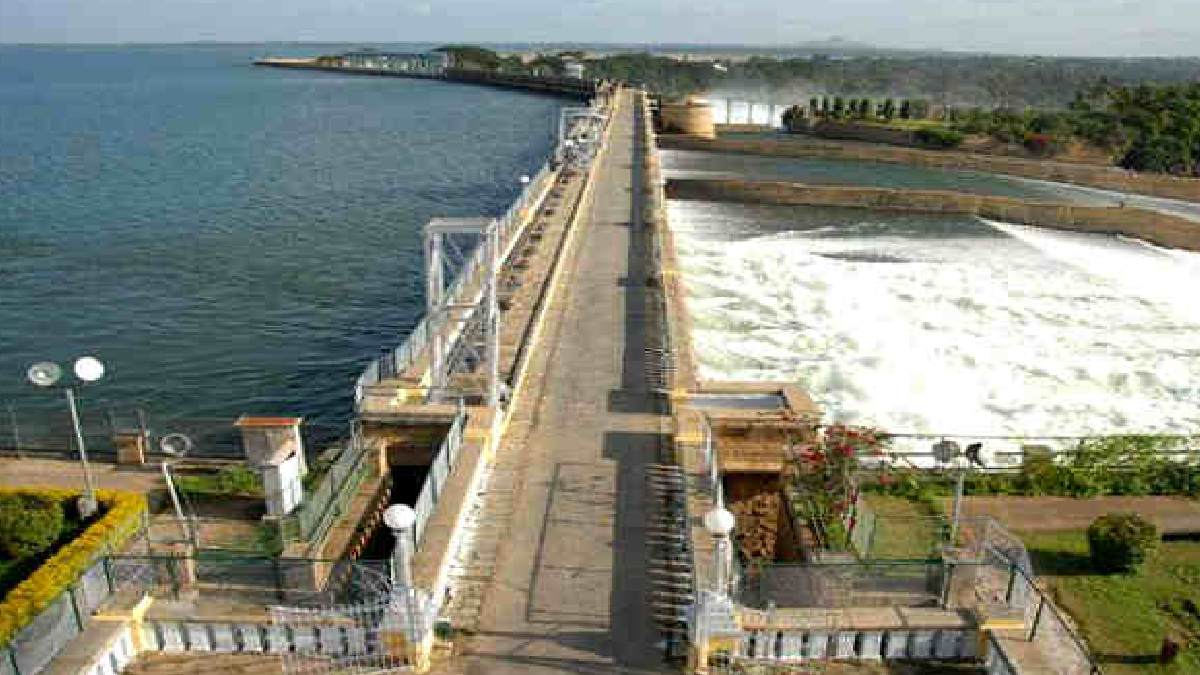
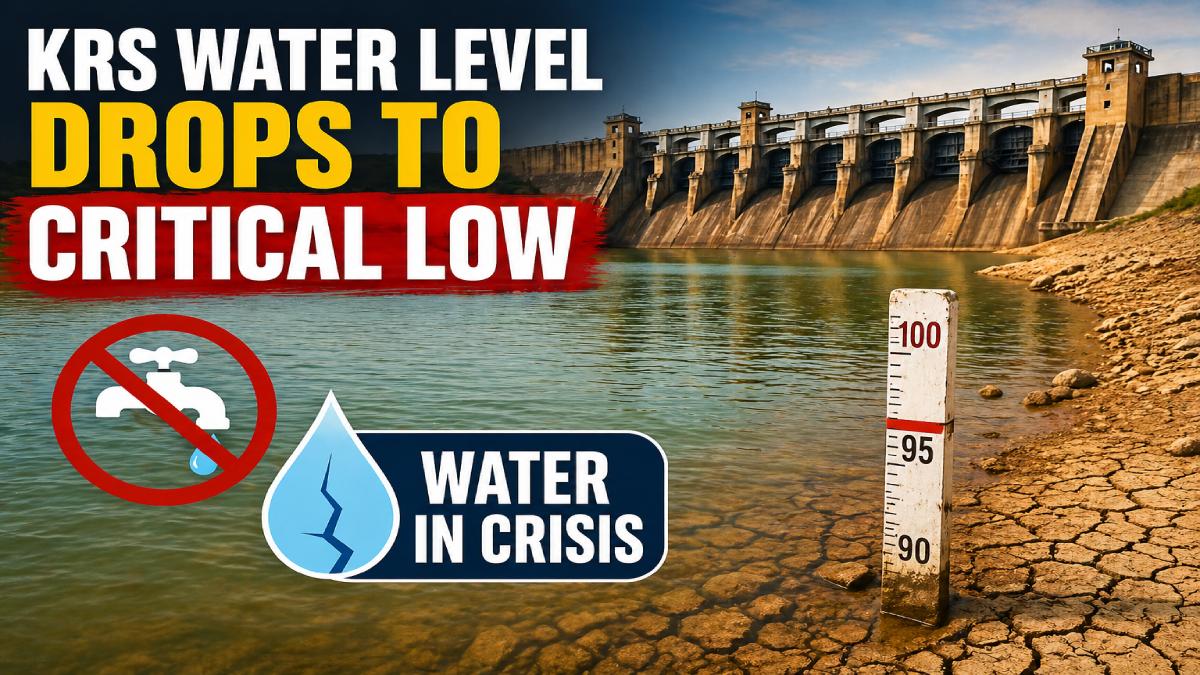
The water level at the Krishna Raja Sagara Dam is plummeting to 99 feet, which has now raised concerns of a likely drinking water crisis in some parts of Karnataka. The reservoir, situated in the Srirangapatna taluk of Mandya district, serves as an important water source for irrigation and urban supply, including for Bengaluru and areas in the Cauvery river watershed.
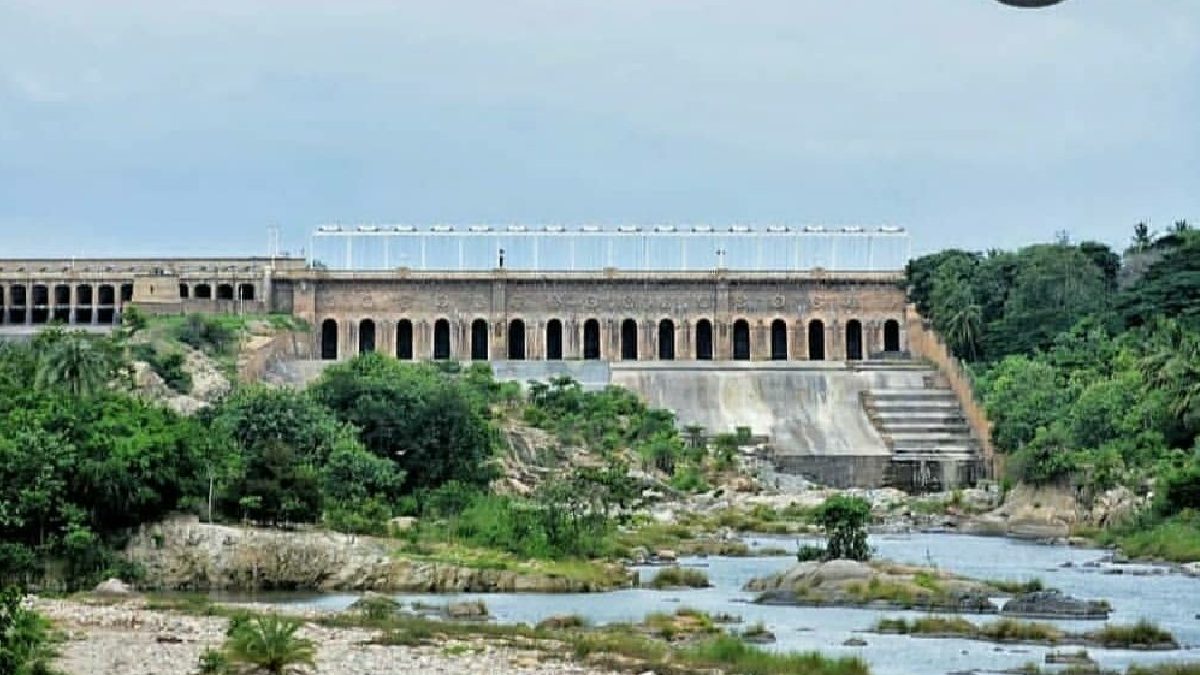
The dam (with a full storage capacity of 124.80 feet) is experiencing slow drops in water levels due to the low quantity of influx. The total water current figures show that the reservoir maintains just 22 TMC (thousand million cubic feet). Of these, almost 7 TMC has been deemed dead storage, with 15 TMC available to use.
The limited supply has put the authorities in a complex position, due in part to their need to align agricultural and drinking water use to a higher standard. Experts say strict water usage regulations will be needed in the weeks ahead to avoid a crisis. That leaves only 66 cusecs of water being inflow into the reservoir, but 4,388 cusecs is being outflow, a record.
Now this imbalance is accelerating the depletion of the water levels even further. If it does not come with any substantial rains then the reservoir might potentially reach extremely low levels of water, prior in the coming year to the onset of the monsoon. This concern isn’t limited to Mandya, of course. Bengaluru, known more commonly as India’s Silicon City, depends primarily on Cauvery water imported from KRS and other reservoirs.
The long-term delays of the southwest monsoon may result in water shortages for millions of urban residents. And, many towns and villages dotted throughout the Cauvery’s basin might face a similar predicament. Already, farmers in the region are being recommended to use an approach of controllable irrigation.
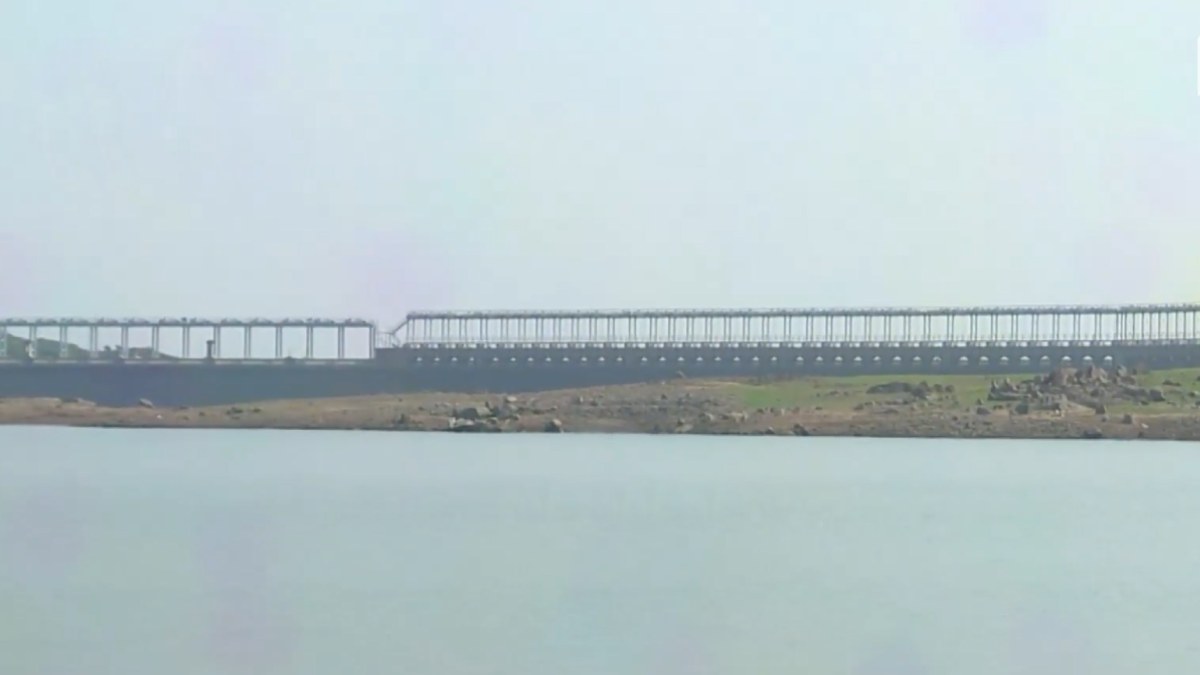
Restrictions on water release for agriculture will be a priority for the authorities' drinking water needs. There could be an effect on crop cycles and agricultural production if the situation does not improve soon. Officials have said that without rain coming by the first week of June, the state could become seriously water-stricken.
Monsoon rainfall remains vital, and any delay or shortage is likely to have far-reaching effects. The present situation illustrates how water resources are now at large in the context of water quality in Karnataka – they need further examination and sustainable water management methods in order to provide for sustainability.
Rainwater catchment harvesting, proper irrigation systems, reduction in loss and waste are also a few of the solutions that experts think we need to take urgently. As matters continue to play out, all the attention is on the monsoon, and it should be that monsoon that eventually decides if the crisis only digs deeper or settles down. Until then, authorities and citizens will likely have to brace for new, stricter drinking water rates and potential shortages over the coming weeks.