Activist organisations working for labour rights have accused workers of being exploited at a Chinese factory involved in the production of the viral Labubu dolls, raising concerns about labour practices behind one of the world’s fastest-growing toy brands. An American non-governmental organisation, China Labor Watch (CLW), found in its investigation that a supplier manufacturing Labubu toys subjected workers to excessive overtime, vague or incomplete employment contracts and a lack of paid leave.
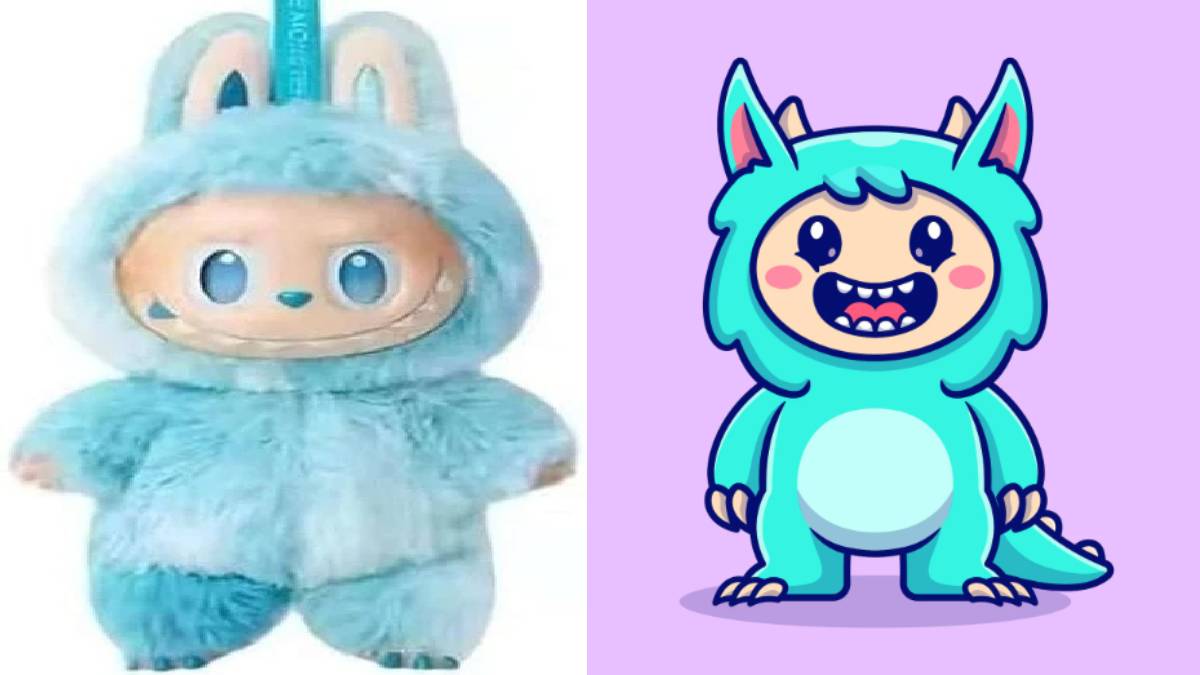
The case involved Shunjia Toys Co Ltd, a factory based in Xinfeng County, in southern Guangdong province, China. CLW called the factory a major production site for Labubu toys and said it employs more than 4,500 workers. Labubu dolls, furry, elf-like figurines with jagged-tooth smiles have soared in worldwide popularity in recent years. Sales success for the brand has been led by a “blind box” model, which allows buyers to not learn which toy they’ve bought until the item is opened, as well as endorsements from international celebrities.
Its researchers carried out 51 in-person interviews with factory workers to study recruitment practices, employment contracts and working conditions, the organisation CLW said. The organisation said its findings highlighted what it described as illegal hours of overtime, insufficient safety training and inadequate workplace protections. While the inquiry found no evidence of child labour, CLW said the factory hired 16-year-old workers who were treated the same as adults, albeit with no extra protections required under Chinese labour laws.
CLW also called on Pop Mart, the toy retailer based in Beijing that manufactures the Labubu brand, to take immediate action to rectify what it said were violations. The organisation urged the company to compensate affected workers and also to follow China’s labour laws and internationally recognised labour standards in its supply chain. Pop Mart said it is reviewing the claims and would ask suppliers to fix any infractions if the allegations are confirmed. The company said it often audits its manufacturing partners and performs independent third-party inspections every year conducted by internationally recognised bodies.
Shunjia Toys Co Ltd could not be reached for comment. CLW observed that factories like Shunjia are OEMs and that products are made according to pricing and production schedules determined by brand clients. The implication: these facilities' labour conditions are heavily influenced by sourcing and production pressures which global brands exert. The accusations reflect increased attention to labour conditions in global supply chains as demand for popular consumer goods continues to rise.