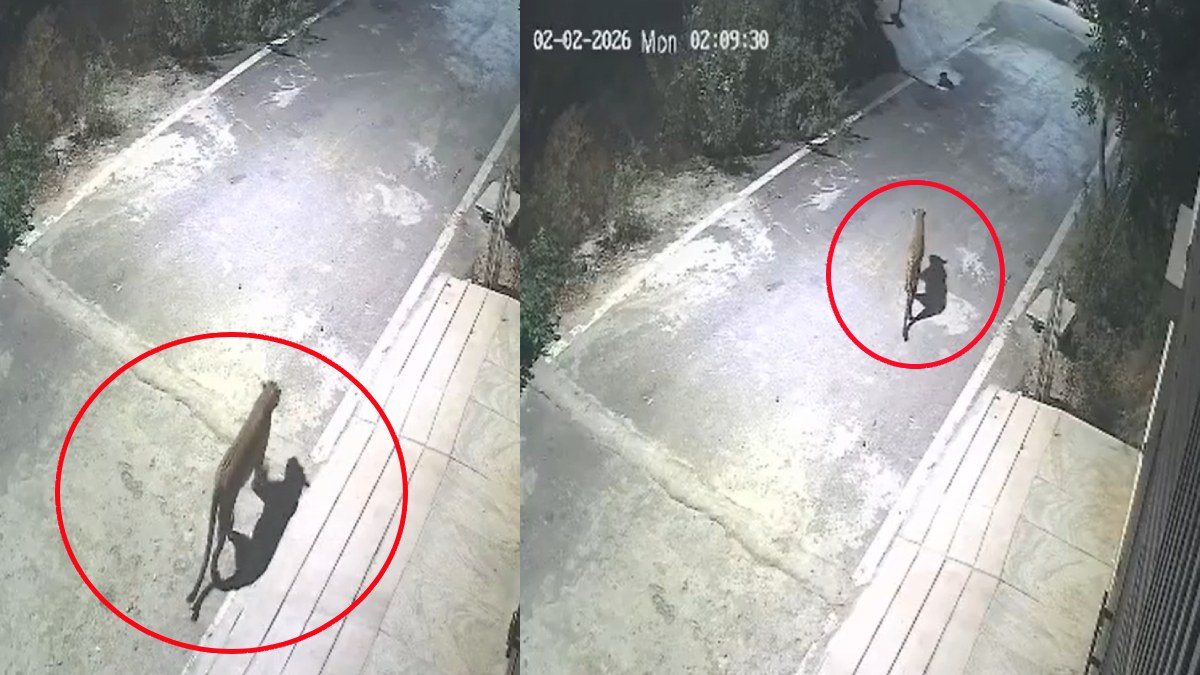
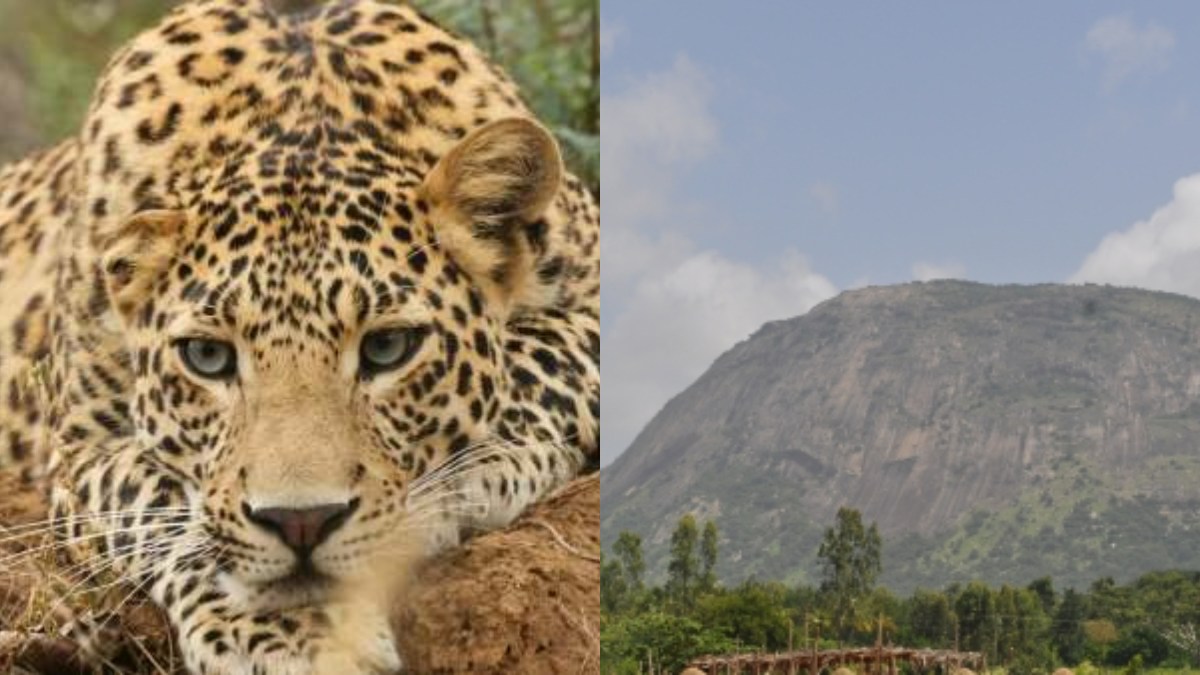
An alarm has struck Arsikere in Karnataka’s Hassan district when a leopard walked into the town at night and killed a calf tied up near a house. It has reignited the tension in the area. Now the village is once again struggling to control human-wildlife conflict in the region.
Farmers and local people feel threatened by the Forest Department, which they say is frustratingly not taking any action to prevent such disasters. They have been seeing wild animals around Arsikere, even as they have been hearing warnings about dangerous animals stalking people in the vicinity of homes, despite several warnings.
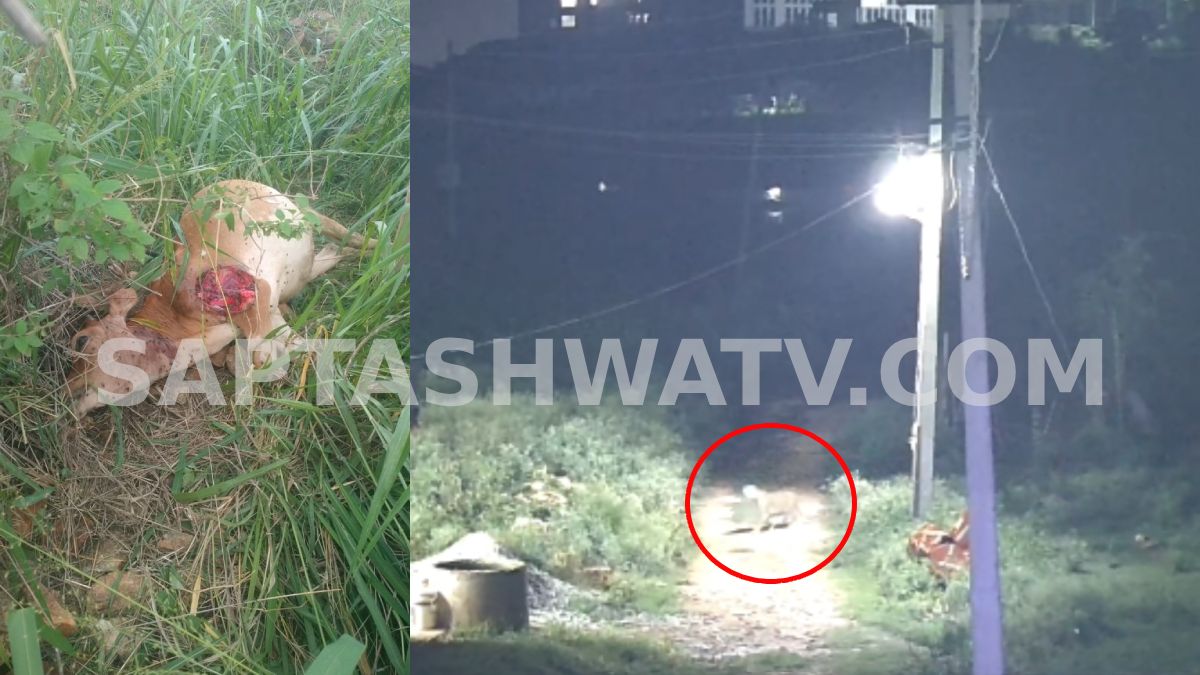
According to local accounts, the leopard entered the area in the middle of the night to hunt for food. The predator saw a calf tied for grazing and attacked it; he dragged it away from the place. The animal was later found dead, clearly preyed on by the leopard. Now the residents are extremely worried - especially livestock owners, who worry that more attacks are coming in the next few days.
The biggest worry is the CCTV footage of the leopard moving through the locality. That’s what has worried people more because the images, circulated among residents and shown on national television and in the local press, clearly show the big cat moving around in the darkness. It has raised fears that the leopard may still be hiding out in the vicinity and could pose a threat not just to livestock but also to people who go outside in the early morning and late evening, especially children and elderly residents.
Farmers in the area were angry at what they felt was the negligence of the Forest Department. Warnings of leopard movement had been issued before, they said, but the government did not take any serious measures. Residents say the predator has been in and around the town for some time, and no permanent solution to protect the public exists.
The calf’s death has also resulted in financial loss for the livestock owner and frustration among the farming community. Many residents have also demanded compensation for the affected family and called for immediate steps to prevent further attacks. Several villagers gathered after the incident and called for officials to take complete action to track and capture the leopard before another attack occurs.
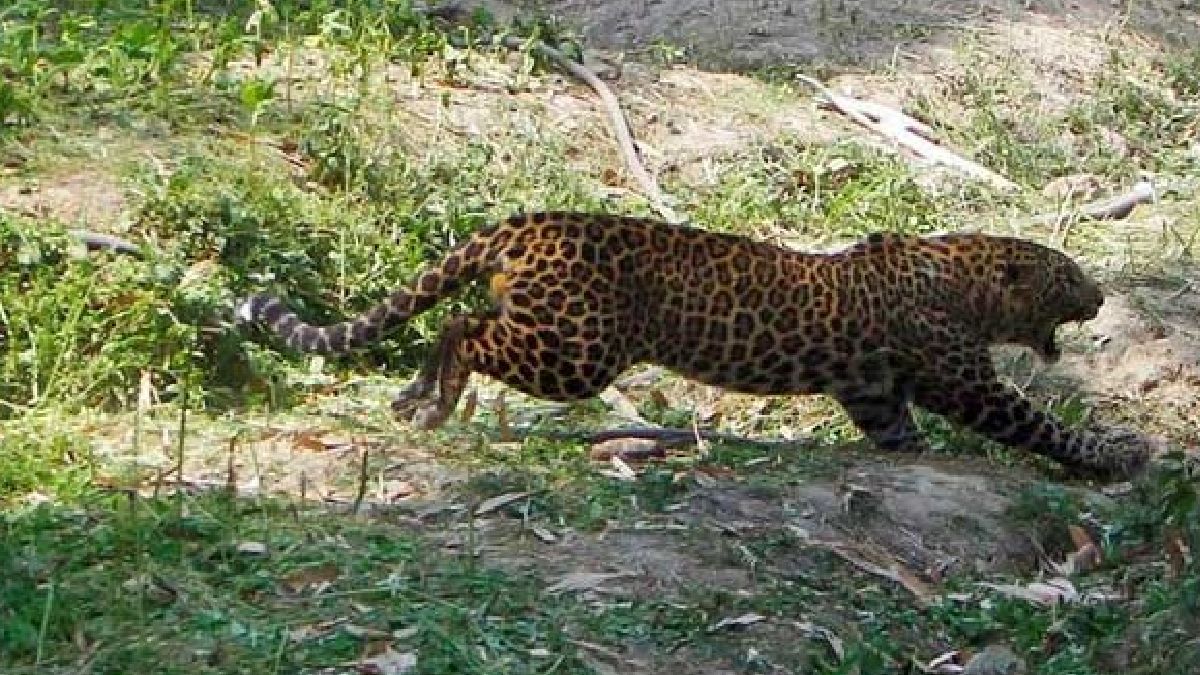
Leopard sightings near human settlements frequently increase when natural prey is scarce or forest habitats are disturbed, wildlife experts say. With urbanisation and agricultural activity taking place, the number of encounters between humans and wild animals is growing in many parts of Karnataka.
This has led residents of the area to call for the Forest Department to put cages in place, set up tracking teams, and conduct awareness campaigns to make people aware of how to avoid leopard encounters.
The Arsikere incident reinforces that wildlife conservation is a delicate balance with human safety. Leopards are protected animals and important for ecological balance, but residents insist authorities must act quickly and effectively when wild animals invade populated areas. For now, fear reigns supreme, and residents are waiting for concrete action from the Forest Department to prevent such incidents from taking place again.