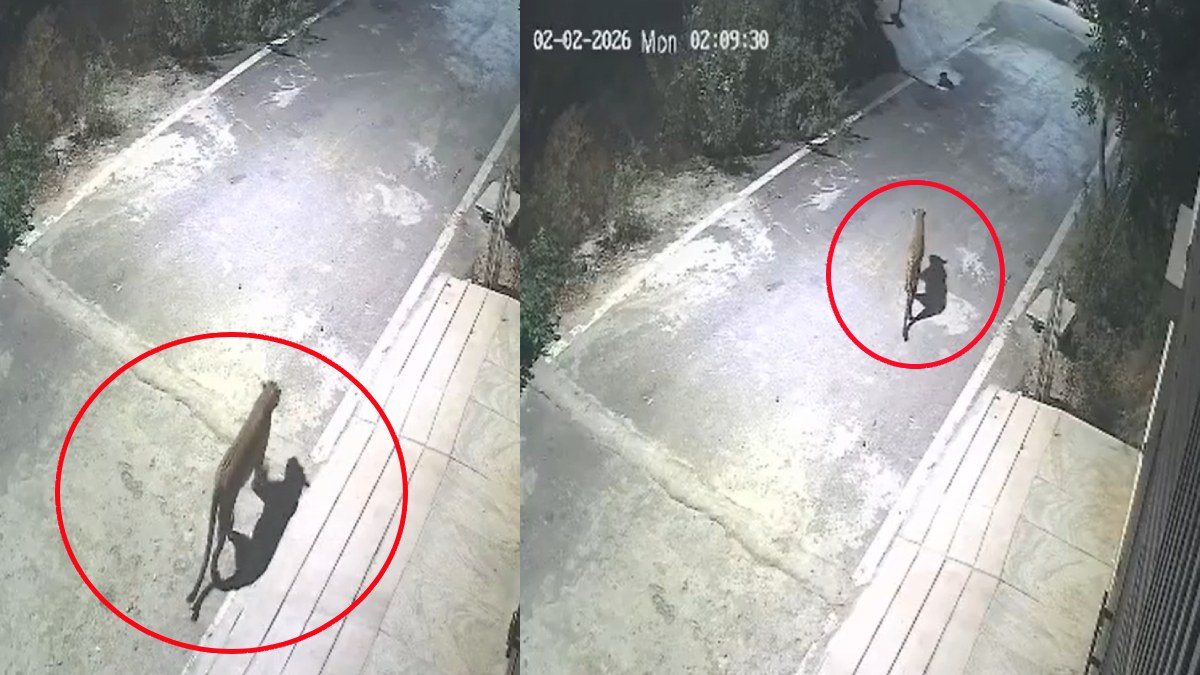
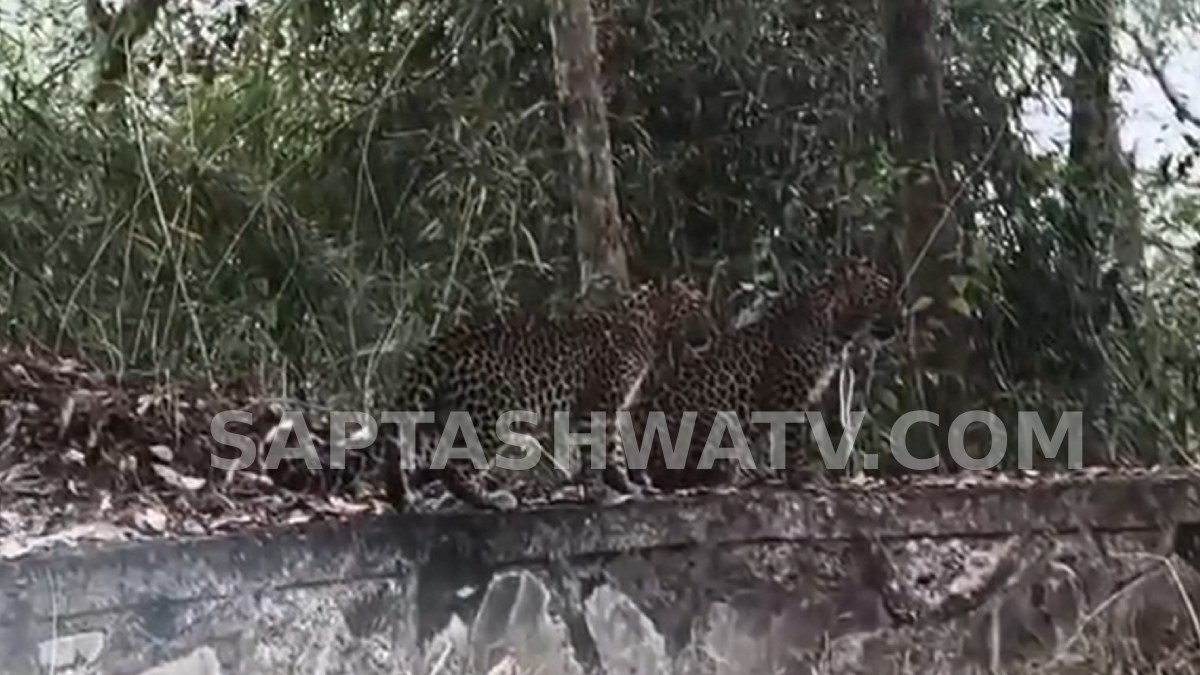
Now, tourists and locals are in a panic as many reports of a leopard walking by the popular local beach resort Gokarna in Uttara Kannada while passing along a road. It took place on the road towards Kudle Beach, which is visited by many foreign and national tourists.
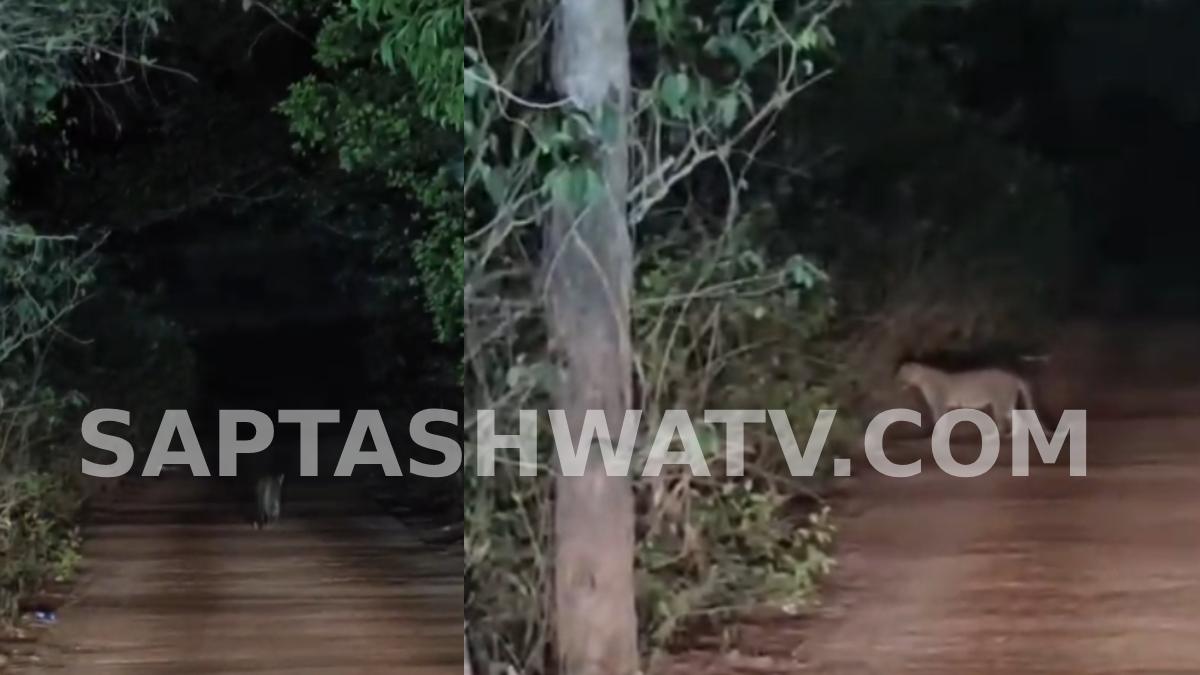
Witnesses reported that the leopard had suddenly appeared on the roadway, startling passers-by. Many of the tourists, some walking or riding two-wheelers, came to a halt, and many of them turned to safe areas, according to a report. After that, videos and photographs of that animal were published on various platforms, which have spread and scared the public.
Residents later alleged that the leopard fled the forest and found an opportunity to interact with people through either feeding (food) or having its “decreased ability to do so” (news, response). The sightings were a reminder of another aspect of the wildlife that lives close by, even in rural or city farmers’ villages.
They alerted forest officials in no time, and workers flew to investigate the situation. They advised others not to panic and drive into confined areas, where they said it would be far easier to see animals, especially before morning or after dark, if they are home and roaming.
Gokarna also urged safety visitors to listen to the warning. Such incidents occur more often than at any other time in recorded history, experts say, due to a reduction in forest ecosystems and increased human encroachment. As cities take hold and tourism occupies far less-populated land, wildlife are drawn closer to the human habitat and thus face danger.
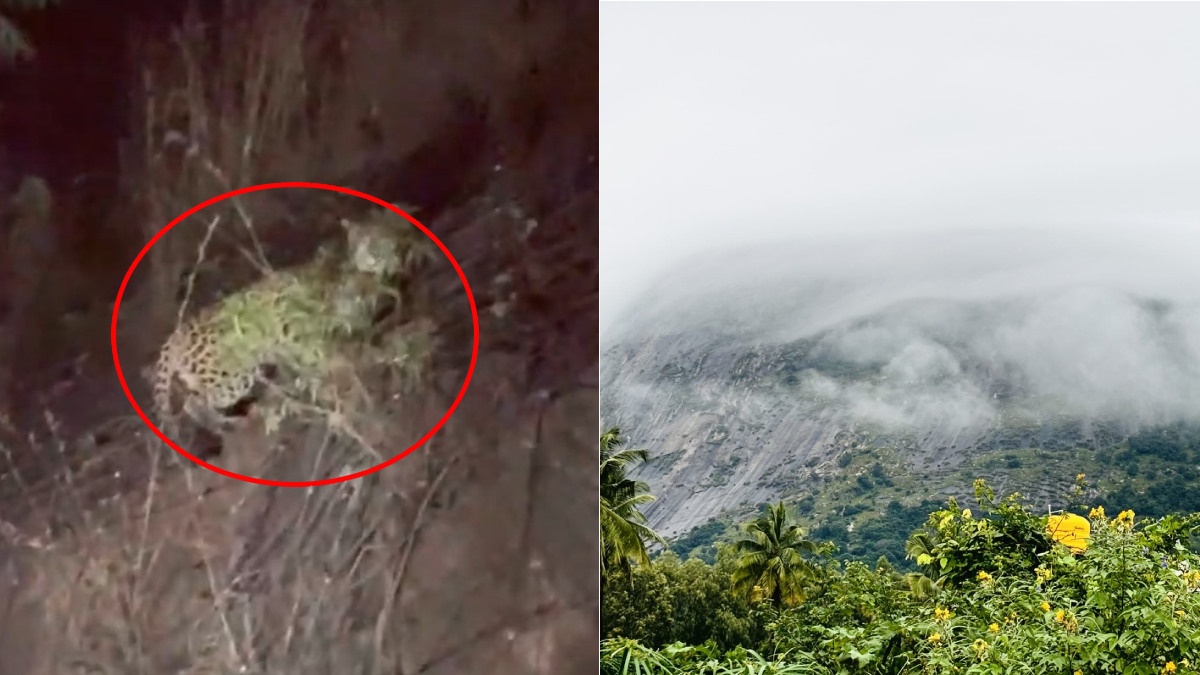
Such interactions aren’t all so rare in coastal areas, such as Gokarna, in areas with dense woods, but they’re still quite dangerous. No injuries were reported, but the leopard sightings in a heavily packed tourist venue shocked the public. Law enforcement began developing supplemental policing, warning signs and marketing campaigns to attempt to prevent the public from panicking and keep it safe.
That balance between humans and animals was what wildlife conservationists emphasised. They also remind visitors and people not to push or pursue wildlife on sight, and to inform forest officials armed with such information at once of sightings. But this event offers an extreme example of that thin line between development and nature. When more wildlife enters man-directed habitats, more effort must be put into sustainable planning and good wildlife management.