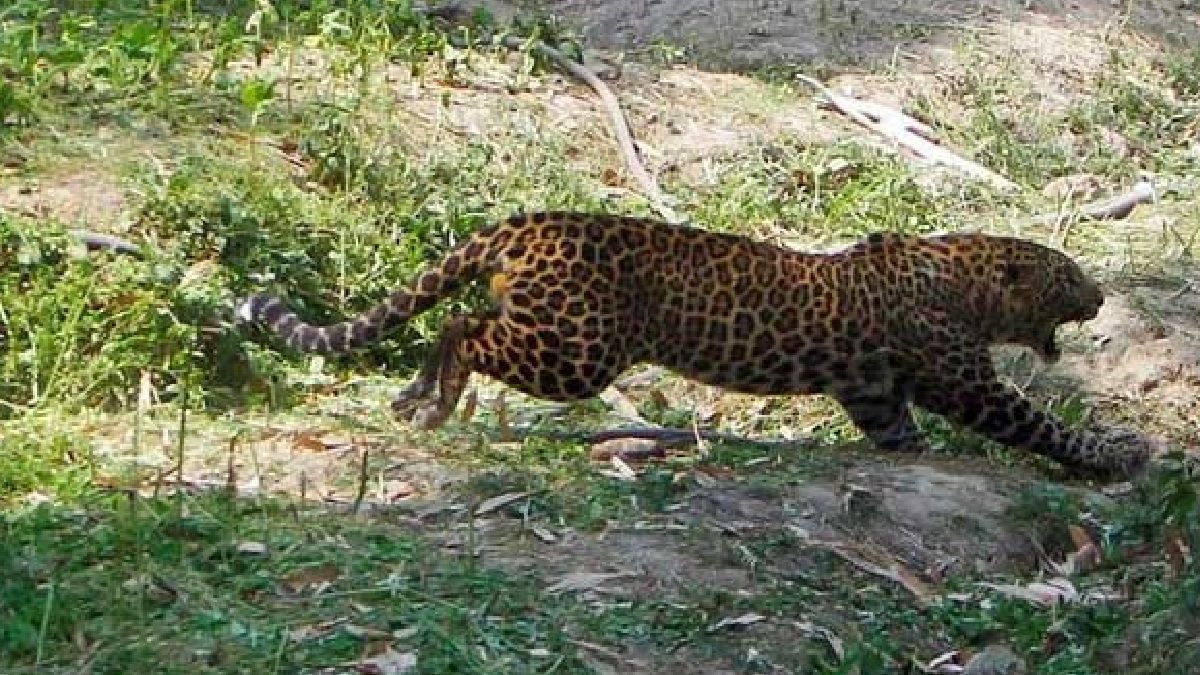
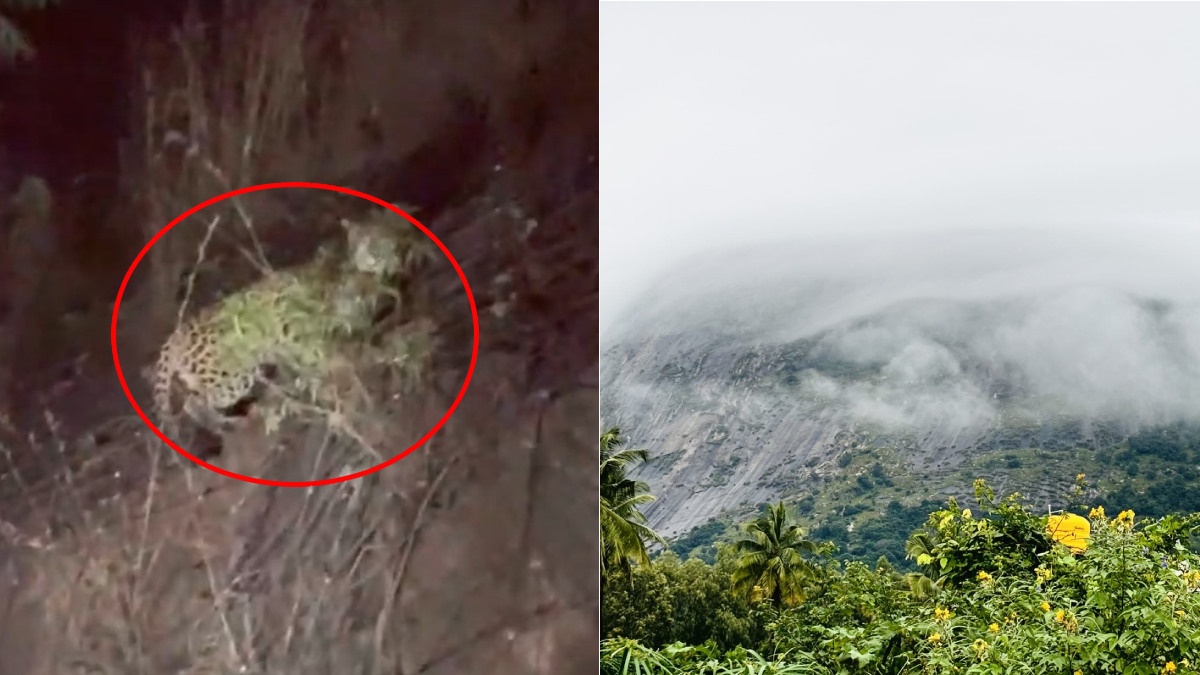
Chikkaballapur, a picturesque district known for its verdant hills and popular picnic spots like Nandi Hills and Skandagiri, is currently grappling with a significant increase in leopard sightings. This surge in big cat activity has prompted a serious warning for tourists, trekkers, and locals frequenting these scenic locales, urging extreme caution amidst rising concerns for human-wildlife conflict.

The Escalating Threat: Frequent Sightings and Increased Activity
Over the past few months, residents and forest department officials in Chikkaballapur have reported a concerning rise in the presence of leopards.
- Hotspots Identified: The areas most affected include the vicinity of Nandi Hills, Skandagiri, and other forested regions surrounding villages in the district.
- Daytime Sightings: Unlike their typically nocturnal behavior, leopards are increasingly being spotted during daylight hours, indicating a possible change in their patterns due to factors like habitat fragmentation or prey scarcity.
- Impact on Livestock: Local farmers have reported a rise in attacks on livestock, further confirming the increased presence and hunting activities of these predators.
Why the Surge? Understanding the Dynamics
Several factors are believed to be contributing to the heightened leopard threat in Chikkaballapur:
- Habitat Loss and Fragmentation: Rapid urbanization, agricultural expansion, and infrastructure projects around Bengaluru and Chikkaballapur are encroaching upon traditional leopard habitats. This forces the animals into closer proximity with human settlements.
- Prey Depletion: A decline in natural prey species within the forests might be compelling leopards to venture out into human-dominated areas in search of food.
- Connectivity Corridors: Chikkaballapur's hilly terrain and green patches serve as important wildlife corridors. Increased human activity along these routes can lead to more frequent encounters.
- Increased Human Presence: The popularity of Nandi Hills and Skandagiri as tourist destinations means more people are venturing into areas that are natural leopard habitats, inadvertently increasing the chances of an encounter.
Precautionary Measures for Visitors and Residents
The Forest Department has issued advisories, and visitors to popular spots like Nandi Hills and Skandagiri are strongly urged to adhere to safety guidelines:
- Avoid Solo or Night Treks: Do not trek alone, especially during dawn, dusk, or night, when leopards are most active. Travel in groups.
- Stay on Marked Paths: Do not stray from designated trekking trails or picnic areas.
- Maintain Awareness: Be vigilant of your surroundings. Look for signs of wildlife, such as pugmarks or animal calls.
- Secure Food and Waste: Properly dispose of food waste and do not leave food scraps lying around, as this can attract animals.
- Report Sightings: Immediately report any leopard sightings or suspicious activity to the local forest department officials or emergency services.
- Keep Children and Pets Close: Ensure children and pets are always supervised and kept close, especially in outdoor areas.
- Avoid Confrontation: If you encounter a leopard, do not approach it or attempt to provoke it. Make yourself appear large, make noise, and slowly back away without turning your back.
Forest Department and Local Administration Response
The Forest Department has stepped up its efforts to monitor leopard movements and mitigate potential conflicts.
- Increased Patrolling: Enhanced patrolling in vulnerable areas is being carried out.
- Awareness Campaigns: Local communities and tourist operators are being sensitized about the leopard threat and safety protocols.
- Trap Cameras and Cages: In areas with frequent sightings or attacks, trap cameras are being deployed, and cages are set up to capture and relocate problematic animals safely.
The rising leopard threat in Chikkaballapur serves as a crucial reminder of the delicate balance between human development and wildlife conservation. While the scenic beauty of Nandi Hills and Skandagiri continues to attract visitors, prioritizing safety and respecting wildlife habitats are paramount to preventing untoward incidents and fostering coexistence.