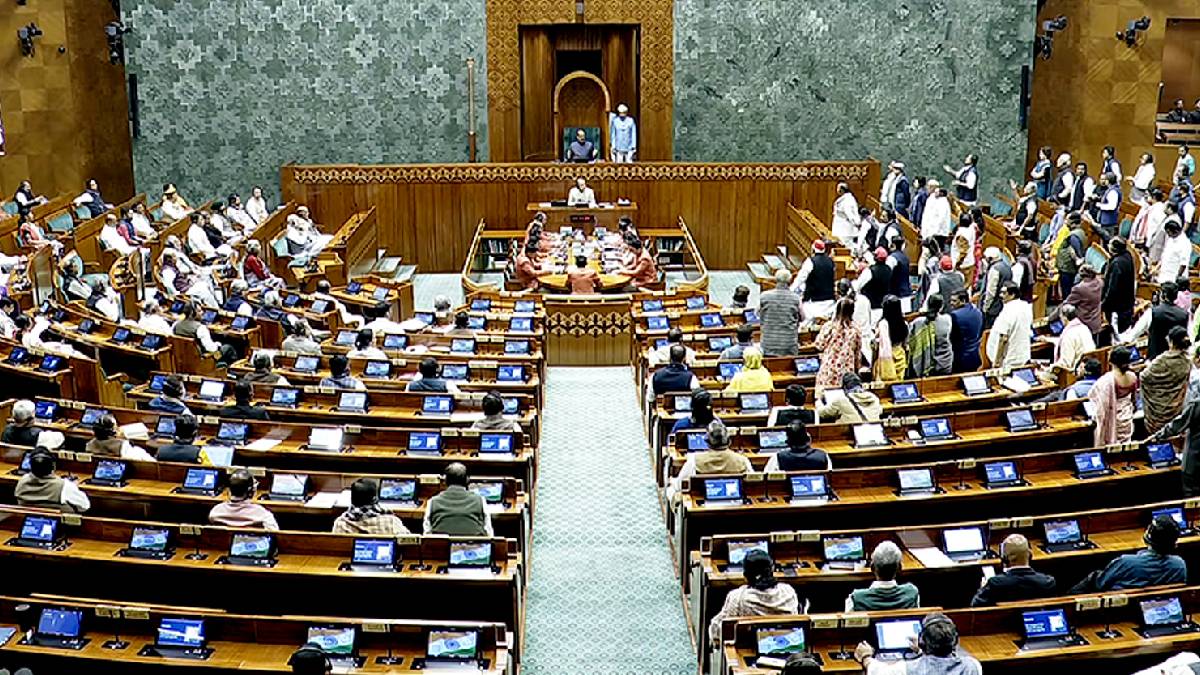
In a breakthrough in this regard, the Lok Sabha passed the Registration of Births and Deaths (Amendment) Bill, 2026, without any formal debate as opposition parties continue to protest.
The Bill aims to improve the process of delayed registration of births and deaths and judicial scrutiny of cases where registration is sought after a long delay. One of the most important changes proposed under the legislation is that births or deaths reported more than two years after the event would require an order from a Judicial Magistrate of the First Class (JMFC).
The legislation was passed by voice vote as opposition protests disrupted proceedings in the House. It was passed without debate or even a formal response from the government because of the continuing disruption, reports said.
The Bill will now go to the Rajya Sabha. It will need approval from the Upper House before it can become law.
What changes are proposed in the proposed Amendment?
The primary aim of the amendment is to make the registration process more stringent when births or deaths are reported after a long delay.
Under the existing law, delayed registrations beyond one year can be approved through an order from a district magistrate, sub-divisional magistrate or another authorised executive magistrate.
The amendment creates a two-tier process.
For registrations delayed by more than one year but not more than two years, the current magisterial approval system would continue. But if a birth or death is reported more than two years after it occurred, registration would need an order from a Judicial Magistrate of the First Class.
This is a more rigorous procedure because the matter would need judicial scrutiny rather than being processed through the executive-magistrate route.
The change is expected to increase verification in cases involving very old or significantly delayed birth and death records.
The aim is to prevent fake or fraudulent Registrations.
The government’s overall objective is to promote timely reporting of births and deaths and to prevent false, manipulated, or fraudulent registrations.
The birth certificate can be used as a document for school admissions, government services, passports, employment documents, etc. Birth and death certificates are important civil documents.
Death certificates are also required in the legal and administrative process of inheritance, property records, insurance claims, pensions, and closure or transfer of financial accounts.
The documents carry significant legal and administrative value, and delayed registration can make records seem to be not genuine. The proposed amendment would make sure registration after a long period is more closely examined and supported by evidence based on these documents.
The government also has stressed that good and timely civil records are important for governance, policy planning and delivery of public services.
Why the Two-Year Threshold Matters
The two-year threshold is one of the most significant features of the Bill.
People who wish to register a birth or death after more than two years may have to approach a Judicial Magistrate of the First Class and provide documents or evidence supporting the delayed registration.
The tougher procedure could allow officials to see why the delay occurred and to verify the validity of the claim. That may also discourage individuals from falsifying records long after an alleged event took place.
But the new process could make the process more cumbersome for people who have genuine reasons for delayed registration. Families in remote areas, people who have little access to government services, and people who do not know the registration requirements may need additional assistance to complete the process.
The implementation of the amendment may therefore depend on how quickly and effectively the new procedure is implemented and if authorities give clear guidance to citizens.
Bill passed without debate amid opposition protests.
The manner in which the Bill was passed has also attracted attention.
The bill was passed without debate as opposition members continued to protest in the Lok Sabha. During the disruption, the members did not discuss the provisions, their challenges or the actual implementation of the proposed changes.
Parliamentary debate is a chance for lawmakers to review legislation, raise concerns and suggest amendments. In this case, the absence of such a thoughtful discussion has raised the question of whether the Bill’s impact on citizens has been properly evaluated in the debate.
At the same time, supporters of the amendment could regard it as an important step towards improving the integrity of India’s civil registration system and preventing misuse of delayed registrations.
What is next?
The Registration of Births and Deaths (Amendment) Bill, 2026 has cleared the Lok Sabha but has not yet become law.
The Bill must now be considered and passed by the Rajya Sabha. If approved by the Upper House, it will then proceed through the remaining constitutional process before the amended provisions can take effect.
If enacted, the legislation could change the registration process for births and deaths that take place after more than two years. The JMFC order would create a further layer of verification and enhance scrutiny of long-delayed civil records.
The Bill is a reflection of the government’s work to make official records more reliable, to make it easier to register, and to prevent fake or fraudulent entries. But how the new rules will affect the country will be determined by parliamentary approval and implementation.