The Indian Medical Association (IMA) has intensified its opposition to the Maharashtra government’s decision to allow homeopathic doctors to prescribe certain allopathic medicines after bridge training.
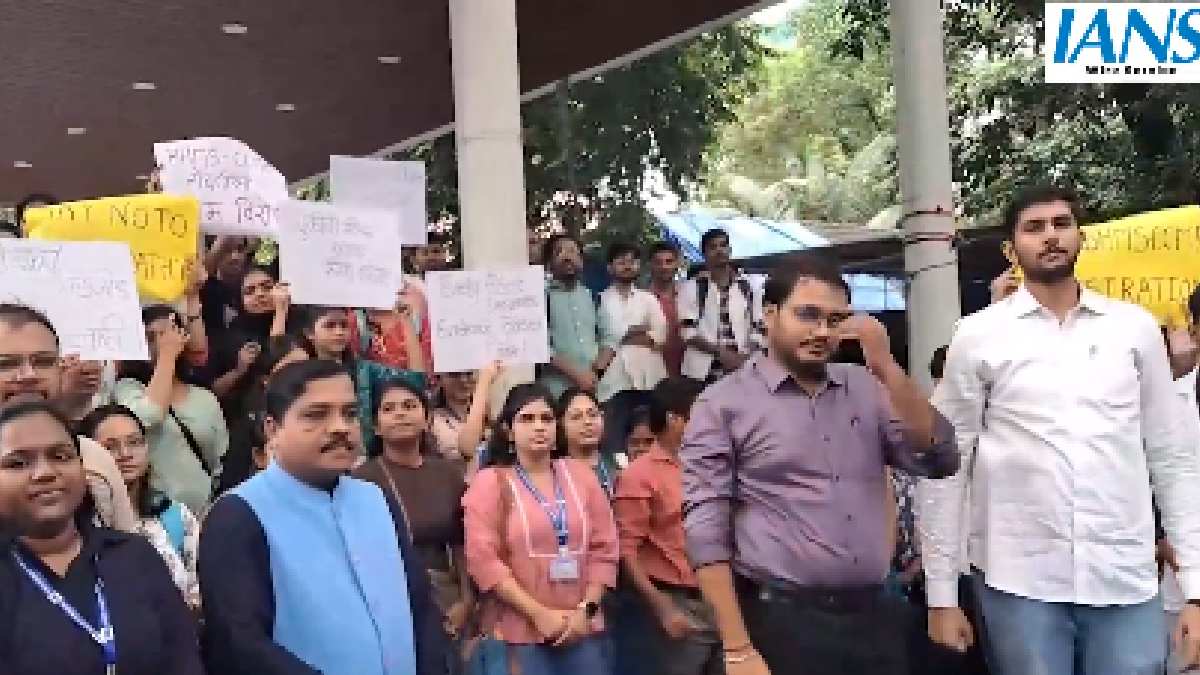
It has declared non-critical emergency medical services to be discontinued across the country immediately.
And the development has led to a new debate about the scope of medical practice, healthcare accessibility and the qualifications for prescribing today’s medicines.
The decision is a “distinction between different systems of medicine,” the IMA says and would affect patient care. Modern medicine should only be performed by doctors who have completed recognized MBBS and postgraduate medical education, the association has said.
Why is the IMA protesting
The controversy stems from Maharashtra's proposal that qualified homeopathic practitioners be able to prescribe a limited range of modern medicines after completing additional training.
Supporters of such a policy say that it will end up helping to fill the acute healthcare shortage in rural and underserved areas where access to MBBS doctors is still limited.
But the IMA strongly disagrees, pointing out that short-term bridge courses can’t replace the years of rigorous education and clinical training that modern medicine requires.
It believes allowing practitioners from other medical systems to prescribe allopathic drugs could increase the risk of incorrect diagnosis and inappropriate treatment, and medication errors.
Boycott of non-Critical Emergency Services
As part of its protest, the IMA has instructed doctors throughout the country to boycott non-critical emergency services while providing life-saving treatment and essential healthcare. Emergency care for critically ill patients would not be interrupted, the association said.
Medical professionals also have to organize demonstrations, submit memorandums to state authorities, and hold awareness campaigns on what they describe as the dangers of “mixopathy” - the blending of different medical systems.
Government's Stand
The Maharashtra government has been defending the proposal and asserts that competent and experienced homeopathic doctors can play a substantial role in improving access to healthcare, particularly in areas that are severely short of qualified allopathic doctors.
Bridge training is done to make sure practitioners are knowledgeable before prescribing the chosen modern medicines, they say. The government hopes that the project will enhance primary healthcare without replacing MBBS qualified doctors.
A Long-Running Debate
Uniting different systems of medicine has been controversial for years. Such proposals have been opposed by medical associations across India who say that every discipline cannot be integrated, to protect professional standards and patient safety.
Healthcare experts note that while increasing medical access is important, high standards of clinical education and accountability are equally important.
In the days to come the government and the IMA will discuss how to resolve the dispute and how protests can grow into a larger national movement.