The Maharashtra Teacher Eligibility Test (TET) paper leak investigation is at a crucial stage now that police have arrested the last two accused named in the chargesheet. With these latest arrests, all 18 people named in the case are now in custody, according to the police. Investigation is currently on in the states of Maharashtra, Bihar, Uttar Pradesh, and Delhi, and the examination material has been sent to a printing facility in Agra.
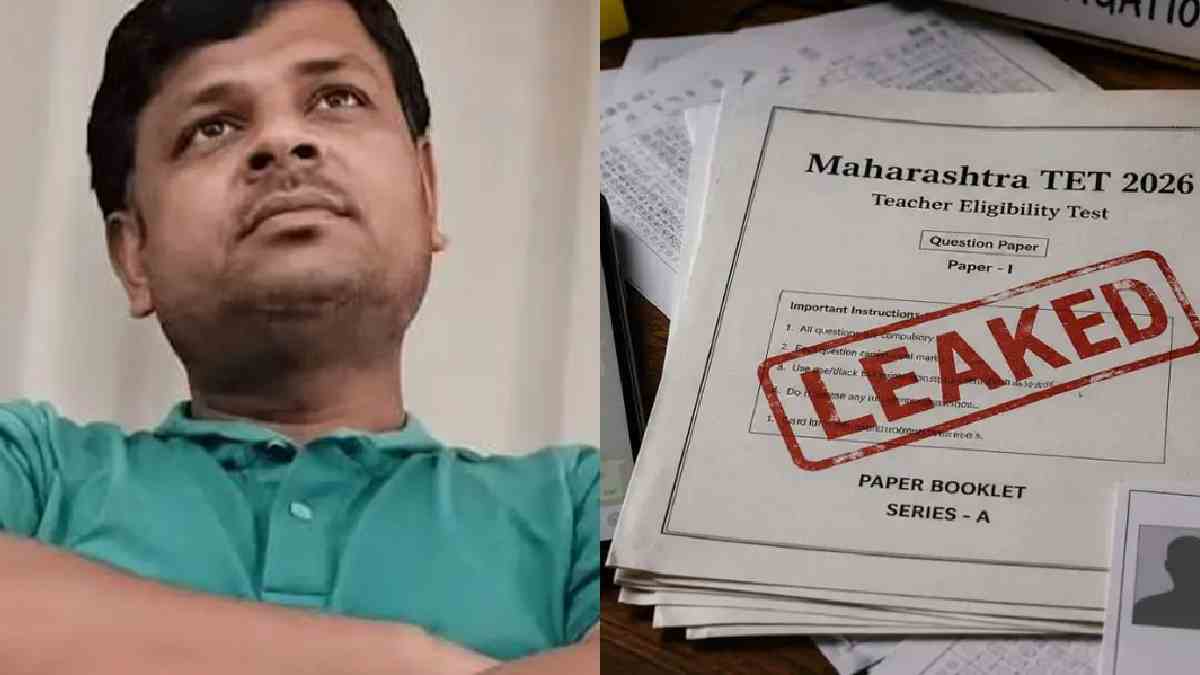
The Maharashtra TET was scheduled on June 28, 2026. Police discovered the paper leak before the examination as they received information about a paper seller attempting to sell question papers to a Bhiwandi resident. The investigation was conducted in the Kongaon area and several suspects were arrested and examination material recovered.
The police recovered four sets of question papers during the operation. The material was examined by the Maharashtra State Council of Examination and it was found that the material was the actual examination paper, which strengthens the case that the documents being circulated were related to the scheduled TET examination. The examination was postponed as a result.
The initial arrests provided investigators with the first major lead into what appeared to be more than an isolated attempt to sell examination papers. Police began looking beyond the suspects involved in the transaction in Maharashtra and attempted to determine where the examination material had originated.
The investigation eventually pointed investigators to an alleged network operating across many states. The examination material was found in Agra, Uttar Pradesh, at a printing factory. The Agra link has been a central part of the investigation as police are trying to know how the question papers were passed from printing to people trying to circulate or sell them before the examination.
The alleged network involved people from Maharashtra, Uttar Pradesh, Bihar, and Delhi. The investigators are examining various persons’ roles in the handling of the examination material, movement, and attempts to distribute it. The arrests will help police establish the complete chain and how the material allegedly reached prospective buyers.
The Bhiwandi operation is still a very important starting point in the case. Police action was initiated when the alleged sale of question papers was discovered, which resulted in the recovery of four sets of papers. An examination was then a must to confirm that the papers were genuine. Authorities postponed the scheduled test once they confirmed that the material was the same as the examination paper.
The new arrests now mean that all 18 accused named in the chargesheet have been taken into custody. But an arrest or inclusion in a chargesheet is an allegation under investigation and does not sign off on guilt. The accused will contest the allegations through the judicial process.
The case also demonstrates the logistical challenges in protecting competitive and eligibility examinations, especially in an environment where question papers are sent through multiple stages before reaching examination centres. In cases where authorities suspect that examination material has been improperly accessed or circulated, printing facilities, transportation arrangements, intermediaries, and prospective buyers can work differently and may play different roles in an investigation.
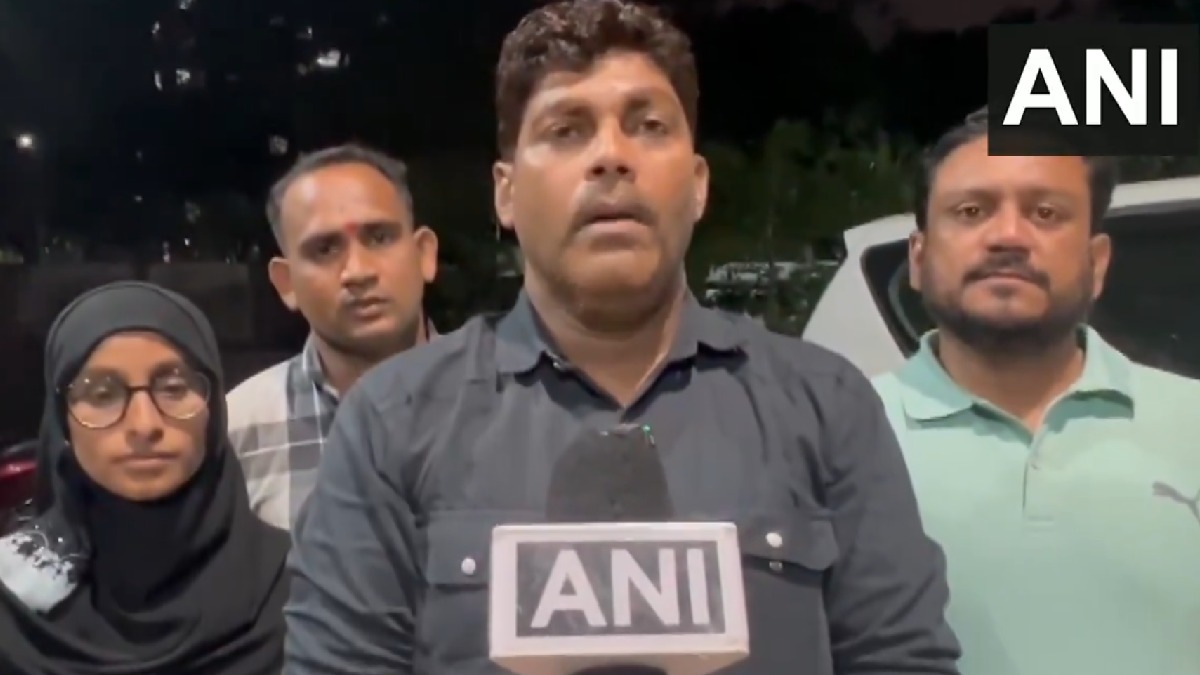
#WATCH | Bhiwandi, Maharashtra: On the TET paper leak case, lawyer Shailesh Gaikwad says, "The day before yesterday, a chargesheet of 16 accused was filed, and today, two more accused have suddenly been named: Prakash Misal and Ashok Kumar Sav. They have been arrested—Ashok Kumar… pic.twitter.com/1KyWGfEYAK
— ANI (@ANI) September 20, 2026
The postponement of the test has left the Maharashtra TET candidates in preparation for the Maharashtra TET in doubt due to the leak, which now faces an uncertain future and a delay in the examination schedule for candidate preparation due to the alleged leak. The test was postponed after the recovery and verification of the question papers as well as the police investigation continued to track the suspects.
With all 18 accused now in custody, investigators will be trying to establish the whole chain of events—from the alleged access to the examination material at the printing stage in Agra to its movement across states and the attempted sale in Bhiwandi. The findings and subsequent court proceedings will establish who is responsible for the legal costs of the accused in the case.