In a powerful example of entrepreneurship and determination, a young man has walked away from a promising placement at Tata Consultancy Services (TCS) in order to pursue his dream of building a business from scratch. Instead of choosing a corporate career and working in an industry where the odds and rewards of success are limited, he chose to start his own rice brand for agriculture and retail, and now provides rice for almost 200 shops and earns around ₹25 lakh in a year. His story is one of how risk-taking, hard work, and vision can lead to success beyond the conventional route of career.
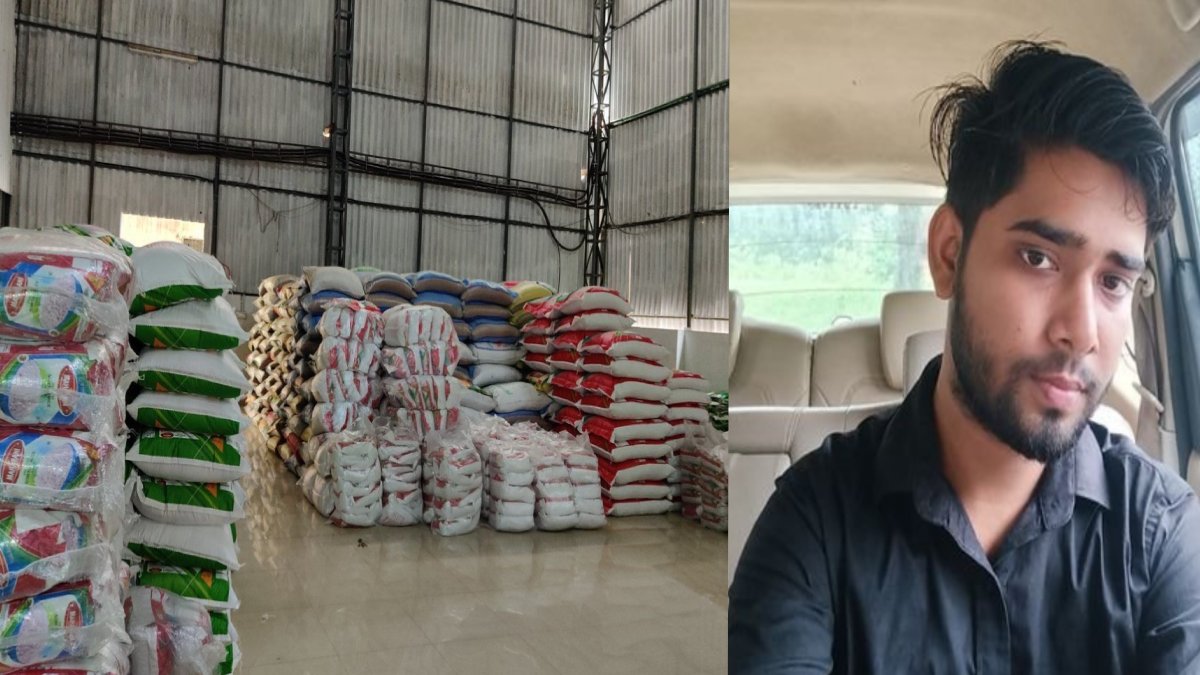
According to reports, the entrepreneur got a job at TCS, one of the top IT companies in India. Many graduates consider such offers a pathway towards a secure, reliable, and well-paid career, but he opted for a different path. He wants to create a career, and so he turned to the food and agricultural industry and found it in rice sourcing, branding, packaging, and distribution for the local economy.
Starting a business in the highly competitive food industry is not easy; it takes a lot of relationship building with farmers and suppliers, consistent quality of products, packaging, brand recognition, and a distribution system to be established. So the businessman carefully sourced good rice, marketed the product in his own brand name, and then, as he did so, made contact with local retailers and gradually built his customer base.
Instead of only competing on price alone, he was trying to maintain high quality and build trust with customers. His products were accepted in the market, and he started a retail network. Today, his rice brand is available in nearly 200 shops, showing the progress of his company and the growing confidence of consumers in his products.
Annual revenue of around ₹25 lakh is also a testimony to the fact that entrepreneurship in traditional agriculture and food processing can create long-term income streams. Revenue is very important, but business experts point out that profits are determined by operating costs, procurement costs, logistics, packaging, marketing, and overall business management. But achieving such scale within a relatively short period is a significant achievement for a small business owner.
The entrepreneur’s trajectory also illustrates the changing mindset among many young Indians who are increasingly interested in entrepreneurship instead of only conventional job opportunities. The government's policy towards startups, digital payments, skill development, and rural enterprise development are a lot of ways in which aspiring business owners can get into the field of technology, manufacturing, agriculture, and food processing.
Branding is very much a big part of the food business nowadays. Today’s consumers need products that are consistently good and attractive in appearance, and transparent in sourcing. By creating his own rice brand as opposed to selling unbranded products, the entrepreneur had a product that is made in a new way and he was able to differentiate himself in an environment of huge competition, and his brand name made a difference in the food industry.
Experts consider India’s agricultural value chain to be ripe for innovation. Farmers, processors, and entrepreneurs can earn higher profits by focusing on branding, direct retail partnerships, improved packaging, digital marketing, and efficient supply chain management. Small businesses that are in these sectors also create jobs in their fields and strengthen regional economies.
The story has been widely covered on social media, and many have hailed the entrepreneur for taking a less conventional but highly lucrative path in life. His journey has been described by several as proof that success can be achieved not just by getting a good job at a company but also in the creation of jobs, a brand, and serving customers. Entrepreneurship carries risks and challenges, and good planning, financial discipline, and resilience are required for long-term success.
This is Ankit Pandey.
— Nalini Unagar (@NalinisKitchen) July 27, 2026
His friend got placed at TCS. Instead of taking a 9-to-5 job, he started a simple rice business.
He buys loose rice directly from farmers at ₹35 per kg.
He packs it under his own brand name and sells it for ₹50 per kg.
After packaging and… pic.twitter.com/eFnG3sAgrE
Business mentors often emphasize that entrepreneurship is not suitable for everyone; it takes uncertainty, continuous learning, and the ability to adapt to changing market conditions. But for people who have a strong vision, dedication, and willingness to overcome setbacks, building a successful enterprise can be both financially rewarding and personally fulfilling.
The entrepreneur's decision to decline a corporate placement and establish a thriving rice business shows a world of opportunities not only in conventional career paths but also in innovation and determination. With the entrepreneurial ecosystem in India growing rapidly, stories like these inspire young people to consider other career paths and that success is a matter of passion, perseverance, and a commitment to delivering quality products and services.