Manual scavenging is a national shame.” The statement isn’t just an emotional outcry it is a cruel and persistent reality in many parts of India and across South Asia. Despite decades of legal bans, policy promises and technological advancements, thousands of people mostly from Dalit communities still live their lives cleaning human waste manually.
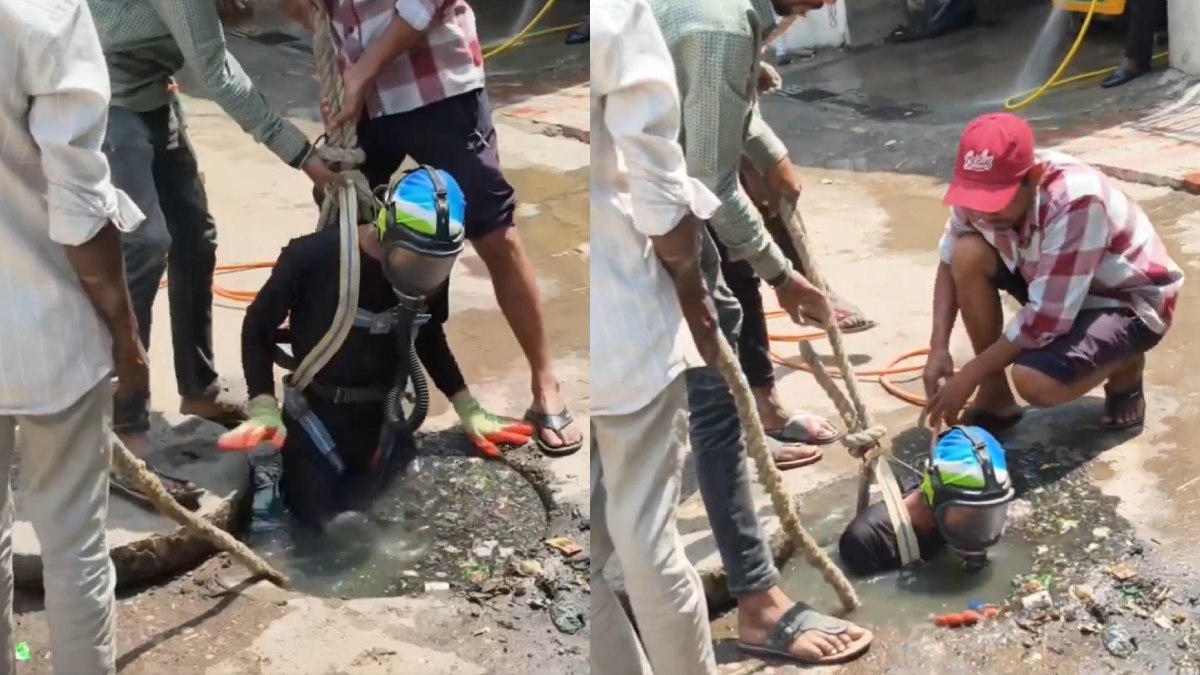
Manual scavenging (the cleaning of sewers, septic tanks and dry latrines without proper protective equipment) has been officially banned in India with the Prohibition of Employment as Manual Scavengers and their Rehabilitation Act, 2013. But enforcement has been inconsistent and still happens in urban and rural areas.
The contradiction is stark. India has achieved remarkable milestones in science and technology, with missions from the Indian Space Research Organisation taking the Moon and Mars. But basic sanitation infrastructure especially safe and mechanized sewer cleaning lags far behind. The fact that workers still descend into toxic, confined sewer spaces without sufficient safety gear is a systemic failure.
At the core of the problem is a complex intersection of caste, poverty and opportunity. Many of those doing manual scavenging are from historically oppressed communities and often lack access to education and alternative jobs. Social stigma and economic dependency trap families in a cycle that is difficult to break.
"Manual scavenging is a national shame." 😡
— Mission Ambedkar (@MissionAmbedkar) April 5, 2026
Dalit community across South Asia is still forced to do manual scavenging even in the 21st century, despite economic progress.
India has reached Mars, Moon.. but has failed to develop technology for 10-foot sewers. pic.twitter.com/Bfb9FHR6Xg

The human cost is catastrophic. Each year, hundreds of sanitation workers die due to exposure to toxic gases in sewers. These deaths are not accidents they are preventable tragedies. Advocacy groups and human rights organizations have repeatedly called for stronger enforcement of laws, better compensation to victims’ families and, most importantly, complete mechanization of sanitation work.
There have been government and municipality efforts to install sewer-cleaning machines and protective equipment. But adoption has been patchy and often due to budget constraints, lack of training or administrative apathy. The contractors still use manual labor because for the most part, it’s cheaper and faster, and the safety and legality of that is less important.
This is about more than policy; it is about accountability and cultural change. Governments should invest in modern sanitation technology, enforce strict penalties and make rehabilitation programs really work in favor of people that are able to get to safer lives.
As important as that is societal responsibility. The end of manual scavenging is not only a government duty it is also a moral obligation for the whole nation. If one person is forced to go to a sewer to survive, progress is still incomplete.
India’s achievements in space exploration show what is possible with vision and commitment. The same urgency must now be applied to ending manual scavenging because dignity, safety and equality should never be optional.