The Ministry of External Affairs (MEA) summoned Ukrainian Ambassador Oleksandr Polishchuk to South Block Monday in a stern diplomatic response after a number of alarming and deadly incidents. The high-level summons came to the Ukrainian Embassy on Monday in response to rising concern for Indian seafarers working on merchant ships in the high-risk areas of the Black Sea and the Sea of Azov.
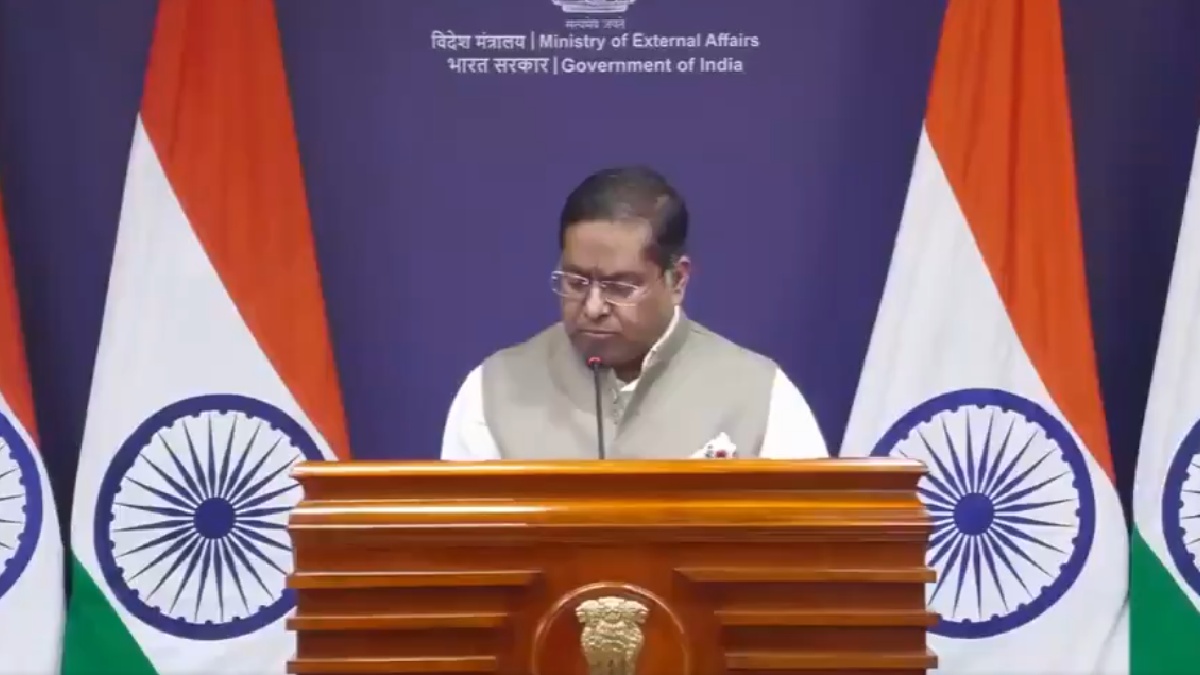
Ambassador Polishchuk arrived at the MEA headquarters on Monday afternoon for the closed-door meeting and left around 15 minutes later. While neither the Ministry of External Affairs nor the Ukrainian diplomatic mission issued an immediate official readout of the conversation, highly placed government sources said that the discussions were focused only on safeguarding Indian nationals working in commercial ships on the conflict-ravaged maritime corridor.
The diplomatic démarche follows on the heels of an urgent and rare advisory by New Delhi in which Indian seafarers were advised to exercise extreme caution and to be extremely vigilant in the security situation prior to accepting contracts on the ships operating in or transiting the Black Sea. The advisory came as a direct result of an aggressive and unpredictable surge in strikes directed at commercial shipping, which recently resulted in several Indian crew members being killed.
Earlier this month, New Delhi issued strong condemnations after several Indian nationals lost their lives in separate hostile incidents directly linked to the ongoing Russia-Ukraine conflict. The attacks on civilian merchant shipping were totally “unacceptable,” as Indian officials said, and it would have serious implications for international maritime commerce and global supply chains.
Pushing for assurances, when both sides met at South Block, Indian representatives were anxious about the continuing danger faced by Indian mariners in these waters, and they sought to reassure Kyiv on their safety. Although it was not for a lack of formal statements from both sides that the ambassador was leaving, the move shows that New Delhi has more and more hostile feelings toward the civilian workers who are stuck in geopolitical flashpoints.
As Eastern Europe's conflict continues to disrupt international trade routes, India will maintain the security and safety of its citizens abroad and will open diplomatic channels to prevent further loss of lives in the maritime zone.