The Mekedatu Dam Project has once again attracted political and public attention after Karnataka took a big step to take control of the ambitious reservoir project in 2026. The development has reignited the discussion about the project, and Tamil Nadu has expressed new reservations about the project, and Karnataka claims that the project is imperative for the future of the state in water security.
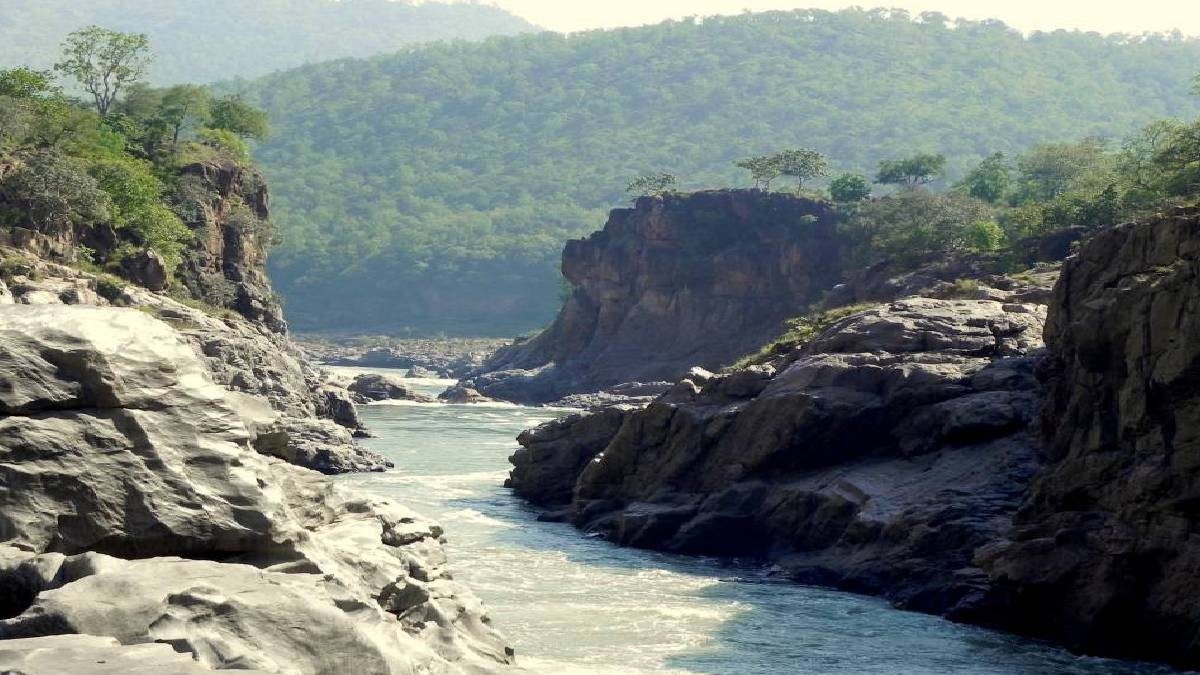
The Mekedatu project, proposed on the Cauvery River in the vicinity of the Karnataka-Tamil Nadu border, has long been one of the most controversial interstate water infrastructure projects in southern India. Karnataka maintains that the project is a purely drinking water supply and hydroelectric power generation project, but Tamil Nadu has long voiced concerns about the potential loss of the downstream water supply.
What is the Mekedatu Project?
The Mekedatu balancing reservoir is planned near Kanakapura in Karnataka, downstream of Krishnaraja Sagar (KRS) Dam. The reservoir is designed to store excess monsoon water that would otherwise flow into the sea after meeting legal obligations under the Cauvery water-sharing framework, Karnataka said.
The state has repeatedly said that the project aims to:
- Give drinking water to Bengaluru and the region.
- Improve water management during monsoon seasons.
- Generate hydroelectric power.
- Add drought resilience by storing surplus water.
With Bengaluru’s rapidly growing population and growing water demand, additional storage infrastructure has become necessary now, they say.
Karnataka's Latest Move
In the latest step, Karnataka has taken another administrative step towards the project. The procedural decisions may vary from stage to stage as the project has been approved; however, the state leaders have reiterated their commitment to pursuing it within the law and the judicial directives in place.
They say the project will not violate the final award of the Cauvery Water Disputes Tribunal and the Supreme Court’s final order. They say the reservoir is meant to regulate water already provided to Karnataka, not to reduce the flow of water to neighboring states.
The move has been welcomed by several political leaders and farmer organizations in Karnataka who feel the project is important for long-term water security.
Tamil Nadu's Concerns
Tamil Nadu has always opposed the Mekedatu project, arguing that any additional reservoir upstream could potentially affect the timely release of water into the state, especially during years of low rainfall.
Tamil Nadu’s political leaders have also said they would closely monitor any progress on the project and will continue to protect the state’s interests under existing water-sharing arrangements.
The state has also been in touch with judicial and regulatory agencies over the issue and stressed that any new construction over the Cauvery River would need to satisfy all legal and interstate agreements.
The Cauvery Water Dispute
The Mekedatu debate is closely connected with the long-standing Cauvery water dispute involving Karnataka, Tamil Nadu, Kerala, and Puducherry.
Over many decades, the sharing of the Cauvery River water has been governed by tribunal awards and Supreme Court judgments. The water releases are monitored by the Cauvery Water Management Authority (CWMA) to ensure that they meet the allocations.
As the river is a lifeline for agriculture, drinking water, and industry in all states, any proposal involving new reservoirs or infrastructure naturally attracts scrutiny.
Importance of Bengaluru
One of Karnataka’s main arguments in favor of the project is Bengaluru’s growing demand for drinking water.
Bengaluru is one of India’s fastest-growing metropolitan cities, and its water resources are under increasing pressure. And with the rapid urbanization, industrial growth, and population expansion, the future demand will only grow, they say.
They think the Mekedatu reservoir can help to strengthen the city’s long-term water supply and water management during periods of heavy rainfall, and support the city’s water supply would be a major factor in those problems.
Environmental and Regulatory Considerations
Besides the interstate concerns, the project also needs multiple environmental, forest, and regulatory clearances before construction can begin.
Environmental groups have pointed to the ecological sensitivity of the proposed area, which is located in forested areas rich in biodiversity. Any future development would need to undergo detailed environmental impact assessments and comply with relevant conservation laws.
What Lies Ahead?
The future of the Mekedatu project will be determined by several factors (regulatory approval, environmental clearances, legal proceedings, and discussions between the concerned states and the Union Government).
Karnataka is still maintaining that the reservoir is vital for drinking water and development, but Tamil Nadu believes that downstream water rights must be fully protected.
Based on the significance of the Cauvery River to millions of people in southern India, experts still believe that a long-term solution will need a transparent process of dialogue, scientific investigation, and adherence to judicial and statutory procedures.
Conclusion
The Mekedatu Dam Project remains one of India’s most closely watched interstate water infrastructure proposals. Karnataka’s recent action brought the issue back to the national agenda and has once again brought into focus the tension between development, water security, environmental protection, and interstate cooperation.
All eyes will be on the legal, administrative, and environmental processes that will determine the project's future. The issue of Mekedatu will continue to be a major political issue in southern India until final approvals and any legal issues are resolved.