In a radical change in messaging, RSS chief Mohan Bhagwat has repeatedly stressed that young people who question the nation or criticize institutions should not be treated as “anti-national” in any sense.
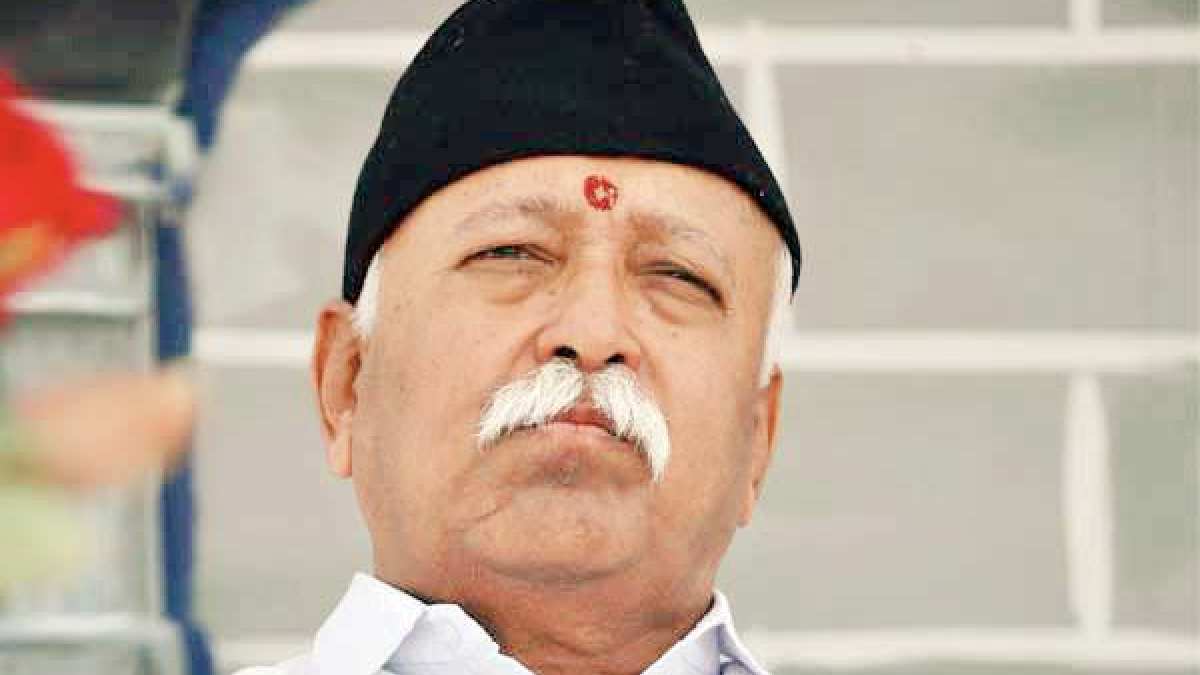
For many of them, he said, they feel unheard and disconnected, and we need to have dialogue rather than a war.
Bhagwat’s comments have been a topic of much debate because they are more nuanced towards India’s young generation. In public he said that disagreement and criticism should be understood in context and that constructive engagement is essential in a democratic society.
India has one of the largest youth populations in the world and millions of young people are speaking out on social media, campuses and public platforms. So many of these voices are about employment, education, social justice, and governance.
Bhagwat’s comments show that these concerns matter and should not be dismissed; not just dismissed.
The RSS, which is generally regarded as a conservative ideological organization, has long focused on nationalism and cultural values. Bhagwat’s latest comment is part of a campaign to create a better communication strategy for the organization to reach out and engage with Gen Z, the generation that is more open to sharing, to being with and to be engaged with it.
Political analysts believe that the comments could represent an attempt to make the RSS more relatable to younger Indians who consume information differently than previous generations. Organizations are no longer so much about reaching out to youth as they are to listen to youth and engage with them in meaningful interaction.
The comments have been welcomed by people from all sides of the political spectrum. Bhagwat’s emphasis on dialogue is what they say is a good thing and it is democratic and it is an encouragement of communication. But critics say the real problem is in translating such statements into real action and creating spaces where different views are respected.
#WATCH | Mumbai, Maharashtra: On recent students' protest and protesters called 'anti-nationals', RSS chief Mohan Bhagwat says, "If Gen Z is protesting, they are not anti-nationals. They are our own people, our next generation...I do not believe Gen Z is like that...I think the… pic.twitter.com/Bxkg4uLS2Z
— ANI (@ANI) August 6, 2026
Social media users have also been debating the significance of the comments. And while some felt the acknowledgment that young people should not be stereotyped as “wrong” for speaking out was appreciated, others said the statement is not an ideological change of tone but rather an ideological change of public messages.
The discussion is coming at a time when youth involvement in politics is growing rapidly. Young Indians are getting involved in politics more and more from elections to social campaigns. But what we expect from institutions in India is not only patriotism but also transparency, accountability and employment opportunities and inclusive governance.
Bhagwat’s statement underlines the importance of communication between institutions and the younger generation. For whether this marks the beginning of the RSS’s engagement with Gen Z is far from clear, but it has certainly brought on a new dialogue about nationalism, dissent and democratic participation.
As India becomes more and more socially and politically developed, the relationship between established institutions and young people is still very important.
Bhagwat’s comments suggest that listening is as important as leading in building trust with the country’s future generations.